National Dish Italy: Pappardelle al Cinghiale (Recipe)
In this article
Step into the rustic kitchens of Tuscany with Pappardelle al Cinghiale, a magnificent celebration of slow-cooked wild boar and broad, satin-like ribbons of pasta. Simmered gently with red wine, tomatoes and a handful of fragrant herbs, the ragù develops a deep, savoury richness that feels both hearty and refined. It is the kind of dish made for gathering friends around the table. Perfect for festive occasions, yet warming enough for a relaxed Sunday lunch. Bring a taste of the Tuscan hills straight to your own kitchen.
About Pappardelle al Cinghiale
Pappardelle al Cinghiale is a traditional Italian dish that hails from the picturesque region of Tuscany. The star ingredient, wild boar, gives the dish its unmistakable, deeply savoury character, the sort of flavour that makes any food lover’s mouth water. The broad ribbons of pasta, known as pappardelle, are paired with a rich sauce typically built around red wine, fresh tomatoes and a careful selection of herbs and spices. It is an ideal choice for festive gatherings and never fails to please guests around the table.
Ingredients (serves 1–2)
- 250 g pappardelle
- 200 g wild boar meat, diced
- 1 onion, finely chopped
- 1 carrot, diced
- 2 cloves of garlic, crushed
- 400 g chopped tomatoes (tinned)
- 200 ml red wine
- Olive oil, for frying
- 1 tsp dried oregano
- Salt and pepper, to taste
- Freshly grated Parmesan, to serve
Shopping for the ingredients
Shopping for the ingredients for pappardelle al cinghiale can be an enjoyable experience, especially if you like to seek out the freshest produce. Visit local markets or specialist shops that stock high-quality goods. Make sure the wild boar is fresh and of good quality, as it forms the very foundation of the dish. Staples such as olive oil and Parmesan should also be of a high standard to support the authentic flavour of the finished plate.
Preparing the dish
Preparing pappardelle al cinghiale is straightforward, though it does call for a little time to coax the wild boar into tenderness. Begin by gathering all your ingredients and prepping them neatly. The vegetables should be washed and cut into even shapes so they cook uniformly. It is also sensible to cook the pappardelle as close to serving as possible, so the pasta reaches the table perfectly fresh.
Step-by-step instructions
- Heat the olive oil in a large pan and sauté the chopped onion and diced carrot until softened and glossy.
- Add the diced wild boar and brown it well on all sides.
- Stir in the garlic and let it cook briefly before adding the chopped tomatoes and the red wine.
- Season the sauce with oregano, salt and pepper, then let it simmer gently over low heat for 1–2 hours, until the meat is meltingly tender.
- Bring a pan of water to the boil and cook the pappardelle according to the packet instructions.
- Toss the cooked pasta through the wild boar ragù and serve hot, finished with freshly grated Parmesan.
Gluten-free / lactose-free version
For anyone with a gluten or lactose intolerance, there are plenty of easy swaps. In place of traditional pappardelle, use gluten-free pasta made from rice or maize, now widely available in supermarkets and well suited to cooking al dente. When it comes to the sauce, you can use a lactose-free cheese instead of Parmesan to make the dish suitable for those who are sensitive to dairy, all without losing any of the flavour.
Tips for vegans and vegetarians
Although pappardelle al cinghiale is traditionally made with wild boar, vegans and vegetarians can enjoy a delicious version too. Replace the meat with plant-based proteins such as seitan or tofu, which can offer a similar texture. Swap the red wine for a good vegetable stock to keep the sauce rich and savoury, and feel free to add extra fresh vegetables and pulses to boost the nutritional value of the dish.
More tips and tricks
A key tip for pappardelle al cinghiale is to let the sauce simmer for long enough so the flavours have time to deepen and mingle. Use a good-quality red wine to intensify the taste of the ragù. It is also worth not overcooking the pasta, as it will continue to soften a little once tossed with the sauce, giving you the perfect consistency. Finally, a scattering of fresh herbs just before serving adds an extra layer of aroma.
Adapting the recipe to your taste
The flexibility of the pappardelle al cinghiale recipe lets you tailor it entirely to your liking. If you prefer a bit of heat, add some chilli or extra pepper to the sauce. For a touch of sweetness, lean on carrots or even a pinch of sugar to balance the acidity of the tomatoes. The herbs can be varied too, thyme, rosemary or even a whisper of cinnamon can introduce intriguing notes that enrich this classic recipe.
Ingredient substitutions
If some of the ingredients for pappardelle al cinghiale are not to hand, there are several alternatives you can turn to. Instead of wild boar, you can use beef or pork. For the tomato sauce, fresh ripe tomatoes work well whenever they are available. When choosing the pasta, look out for fresh pappardelle from the chiller cabinet, which can improve both the flavour and the texture of the dish, much like the silky ribbons in Tagliolini al Tartufo.
Drink pairing ideas
A dish like pappardelle al cinghiale calls for the right drink pairing to round off the experience. Red wines such as Chianti or Brunello di Montalcino sit beautifully alongside the dish’s rich flavours. Alternatively, a robust beer or a local Tuscan wine makes a fine partner. If you are after a non-alcoholic option, a sparkling grape juice or an aromatic lemonade that echoes the flavours of the food would be ideal.
Serving and presentation ideas
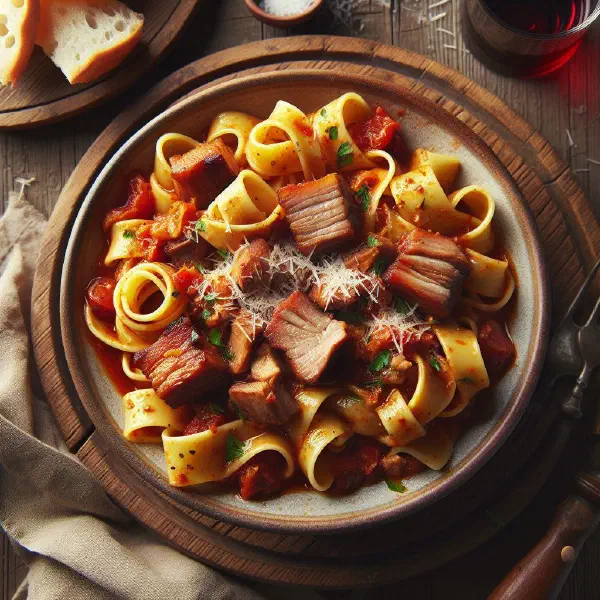
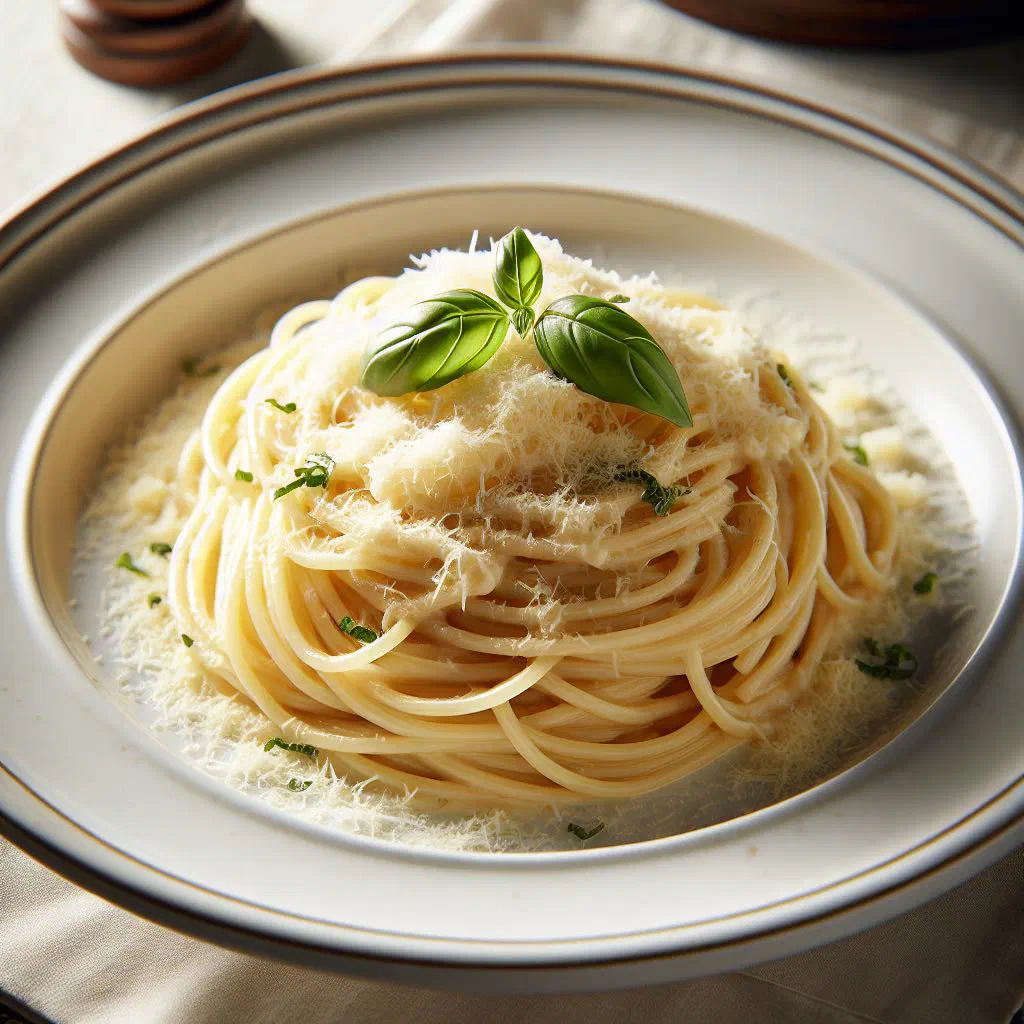
Presentation plays a decisive role when serving pappardelle al cinghiale and can lift the whole experience considerably. Serve the dish in a handsome, generous bowl to show off the substantial portion. Garnish the surface with freshly chopped basil or parsley and grate a little Parmesan over the top for visual flair. A few small rolls or a slice of fresh, crusty bread on the plate also create an inviting look and whet the appetite. Try it with a wedge of Focaccia Genovese.
A bit of history
Pappardelle al Cinghiale has deep roots in Italian culture, particularly in Tuscany, where hunting wild boar is a long-standing tradition. The region is renowned for its rich agriculture and its variety of game dishes drawn from the local fauna. The combination of fresh ingredients and time-honoured cooking methods has made this a genuine classic of Italian cuisine. Today pappardelle al cinghiale is enjoyed in restaurants and at home, often appearing at festive occasions.
More recipe ideas
Summary: Pappardelle al Cinghiale
Pappardelle al Cinghiale is more than just a meal. It is a tour into the heart of Tuscany, uniting flavour and tradition on a single plate. The combination of tender wild boar, broad ribbons of pasta and an aromatic sauce makes it a feast that is wonderfully easy to enjoy. Whether for a festive occasion or a convivial evening with friends, this dish is sure to stay in the memory. Give it a try and bring a little piece of Italy into your own kitchen.