National Dish Italy: Polenta (Recipe)
In this article
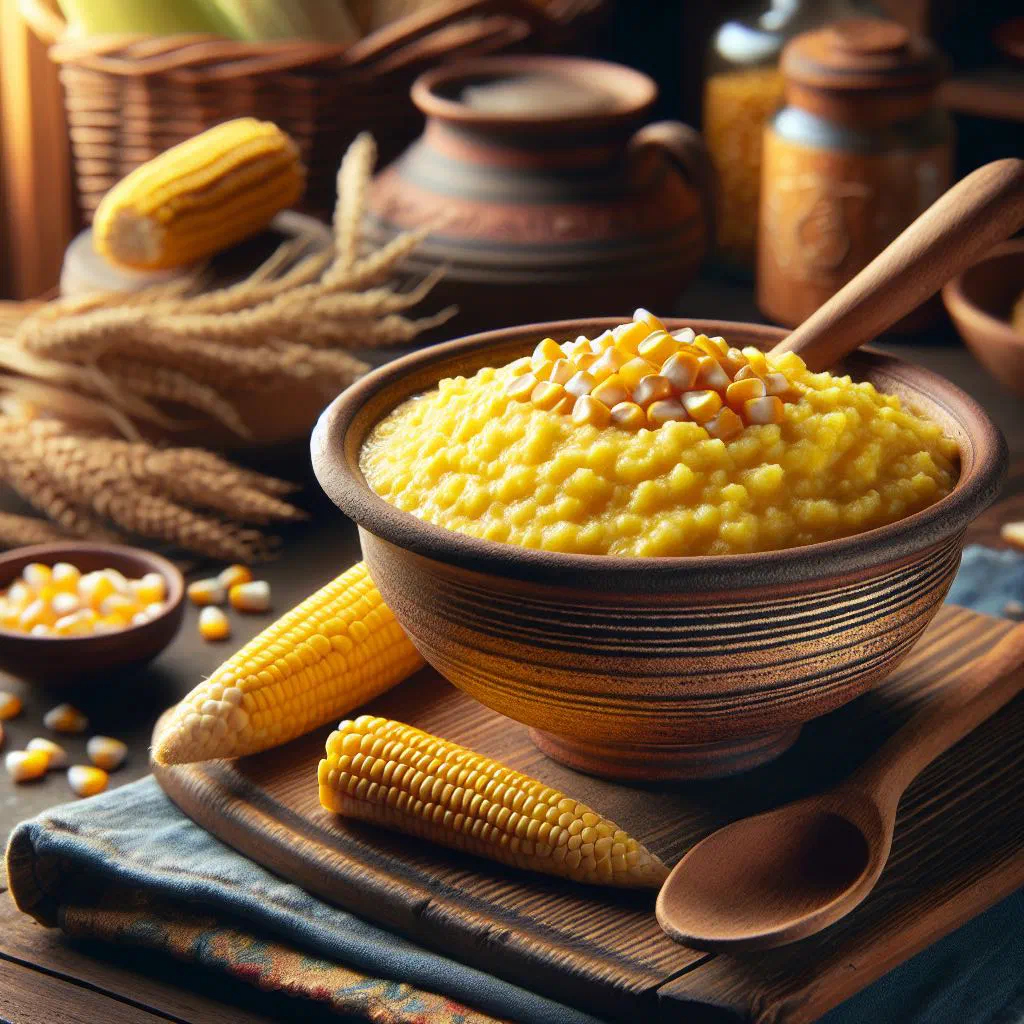
Discover Polenta, the humble cornmeal classic that sits at the very heart of Northern Italian cooking. Once the everyday fare of farmers and labourers, this golden maize porridge has earned its place as a cherished staple of the Italian table. Serve it soft and creamy, or let it set and grill it into crisp golden slices, either way, polenta is comfort food at its most versatile. Bring a taste of the Italian countryside straight to your own kitchen. Buon appetito.
About Polenta
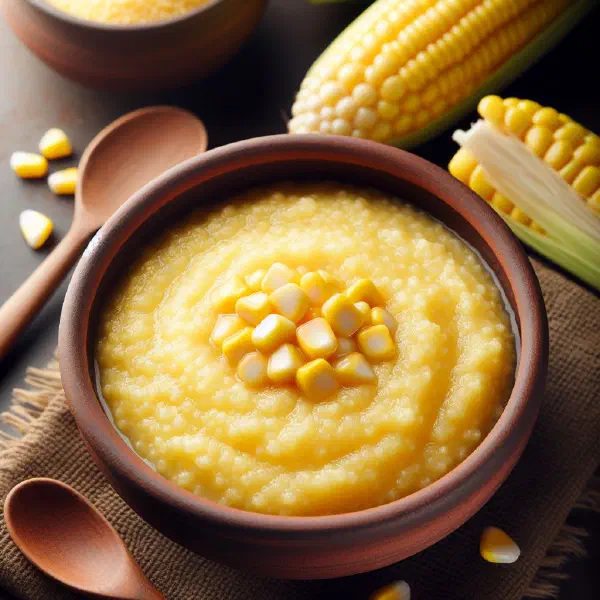
Polenta is a traditional Italian dish made from cornmeal cooked slowly into a smooth porridge. It originally hails from Northern Italy, where it began life as a simple, filling staple for farmers and working families. Today it is a treasured part of the Italian repertoire and can be prepared and served in countless ways. From a plain, comforting porridge to baked or fried variations, polenta offers a remarkable range of culinary possibilities to suit every occasion.
Ingredients (serves 1–2)
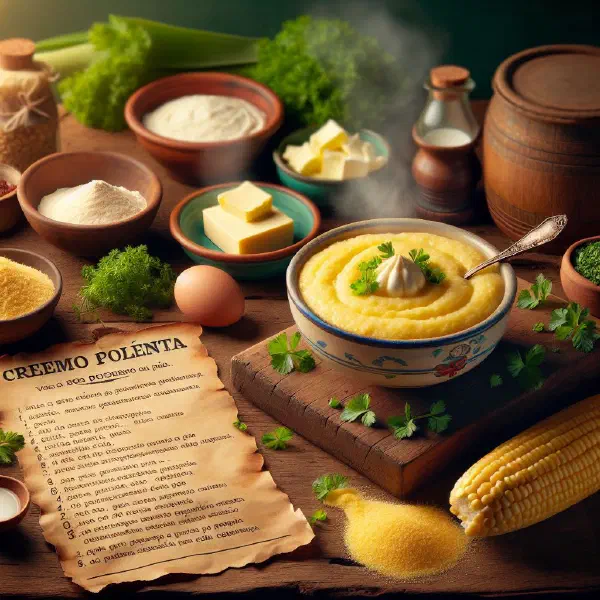
- 100g polenta (cornmeal)
- 400ml water or stock
- 1 pinch of salt
- 30g butter or olive oil
- 50g parmesan (optional)
Shopping for the ingredients
Making polenta calls for just a handful of ingredients, so it pays to choose good-quality ones. Look for fresh, organic cornmeal to get the very best flavour from the dish. For a richer, creamier result, it is well worth picking up some good butter and a wedge of parmesan, which lends the finished polenta an extra layer of savoury depth. Most of what you need is easy to find in any well-stocked supermarket or Italian deli.
Preparing the dish
Before you start cooking the polenta, it helps to have all your ingredients measured out and ready to go. This makes the process far smoother and lets you focus on the all-important stirring. Make sure you have a large pan for cooking the polenta and a balloon whisk for keeping it constantly on the move, a little preparation here goes a long way towards a lump-free, silky finish.
Step-by-step instructions
- Bring the water or stock to the boil in a large pan and add a pinch of salt.
- Slowly rain in the polenta while whisking constantly with a balloon whisk to keep it smooth.
- Reduce the heat and let the polenta simmer gently for around 30–40 minutes, stirring regularly to stop it catching on the bottom.
- Finally, stir in the butter and parmesan until the polenta is creamy and glossy, then season to taste with salt and pepper.
- Serve the polenta straight away, or pour it into an oiled tin and leave to cool so you can slice and grill or fry it later.
Gluten-free / lactose-free version
Polenta is naturally gluten-free, since it is made entirely from cornmeal, making it a brilliant choice for anyone with a gluten intolerance. For a lactose-free version, simply swap the butter for olive oil and either leave out the parmesan or replace it with a lactose-free cheese. If you are using stock rather than water, just check that it is gluten-free too, and the whole dish stays suitable for sensitive diets.
Tips for vegans and vegetarians
Making vegan polenta could not be easier. In place of butter, reach for a plant-based fat such as olive oil or vegan margarine, and either skip the cheese or use a plant-based cheese instead. Depending on your taste, you can lift the polenta with fresh herbs such as rosemary or thyme and serve it alongside vegetables like sautéed mushrooms or roasted seasonal produce for a hearty meat-free meal.
More tips and tricks
Polenta lends itself to many different ways of serving. Grilled polenta slices make a wonderful accompaniment to meat or fish, while soft, creamy polenta pairs beautifully with vegetable dishes. Once the polenta has cooled and firmed up, you can also cut it into pieces and fry or deep-fry them for a lovely crisp texture, much like the golden bites you find with Gnocchi alla Romana.
Adapting the recipe to your taste
The polenta recipe is easy to tweak to suit your own preferences. For a richer, creamier consistency, stir in a splash of cream or milk towards the end of cooking. If you would rather keep things lighter, swap the butter for olive oil and use a lighter stock, or even plain water. This way you can fine-tune the texture and flavour to land exactly where you like it.
Ingredient substitutions
There are plenty of ways to vary your polenta. In place of butter you might use coconut oil, which adds an intriguing note of its own. And instead of parmesan, other hard cheeses such as pecorino, or even a touch of blue cheese, work beautifully, depending on the flavour you are after. The same generous use of cheese is what gives a dish like Trofie al Pesto its character.
Drink pairing ideas
Polenta partners happily with a wide range of drinks. A light white wine or a sparkling glass of Prosecco complements its creaminess wonderfully. For an alcohol-free option, a refreshing lemonade or a fruity iced tea makes a lovely accompaniment. As with so much of Italian cuisine, the goal is simply to balance the comforting richness of the dish with something bright and refreshing.
Serving and presentation ideas
To present your polenta attractively, you can pour it into moulds and leave it to cool so you can cut neat, even slices. Garnish with fresh herbs or roasted vegetables for a pop of colour. Choose colourful plates and arrange the polenta with a little artistry, so the dish pleases the eye every bit as much as the palate, a generous platter alongside Polpette al Sugo always makes an inviting spread.
A bit of history
Polenta has a long history in Italian cooking and was originally a staple food for the farming communities of Northern Italy. In earlier times it was often made from other grains such as millet, before maize arrived in Europe following the discovery of the Americas. Today, corn-based polenta is beloved not only across Italy but around the world, a humble peasant dish that has become a true icon of regional Italian cooking.
More recipe ideas
Summary: Polenta
Polenta is a versatile and traditional dish from Northern Italy, made simply from cornmeal. With just a few ingredients it comes together easily and offers endless room for variation to suit every taste and dietary need. It pairs with countless other dishes and is a highlight of any meal. Let this rustic Italian classic inspire you, your taste buds will thank you.