National Dish Italy: Ribollita (Recipe)
In this article
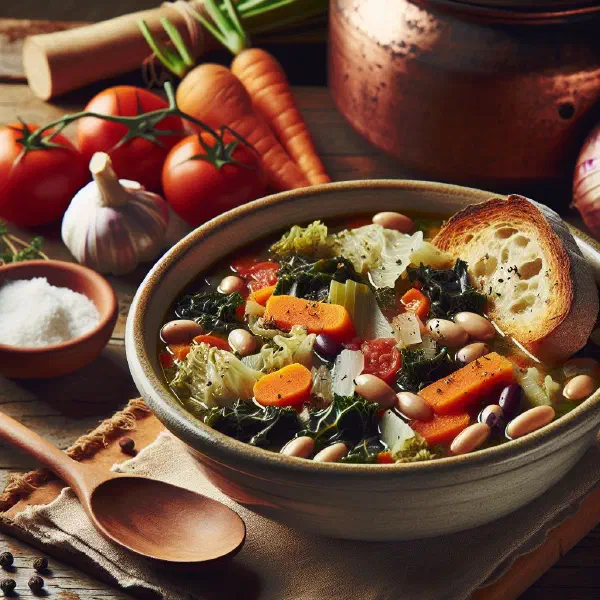
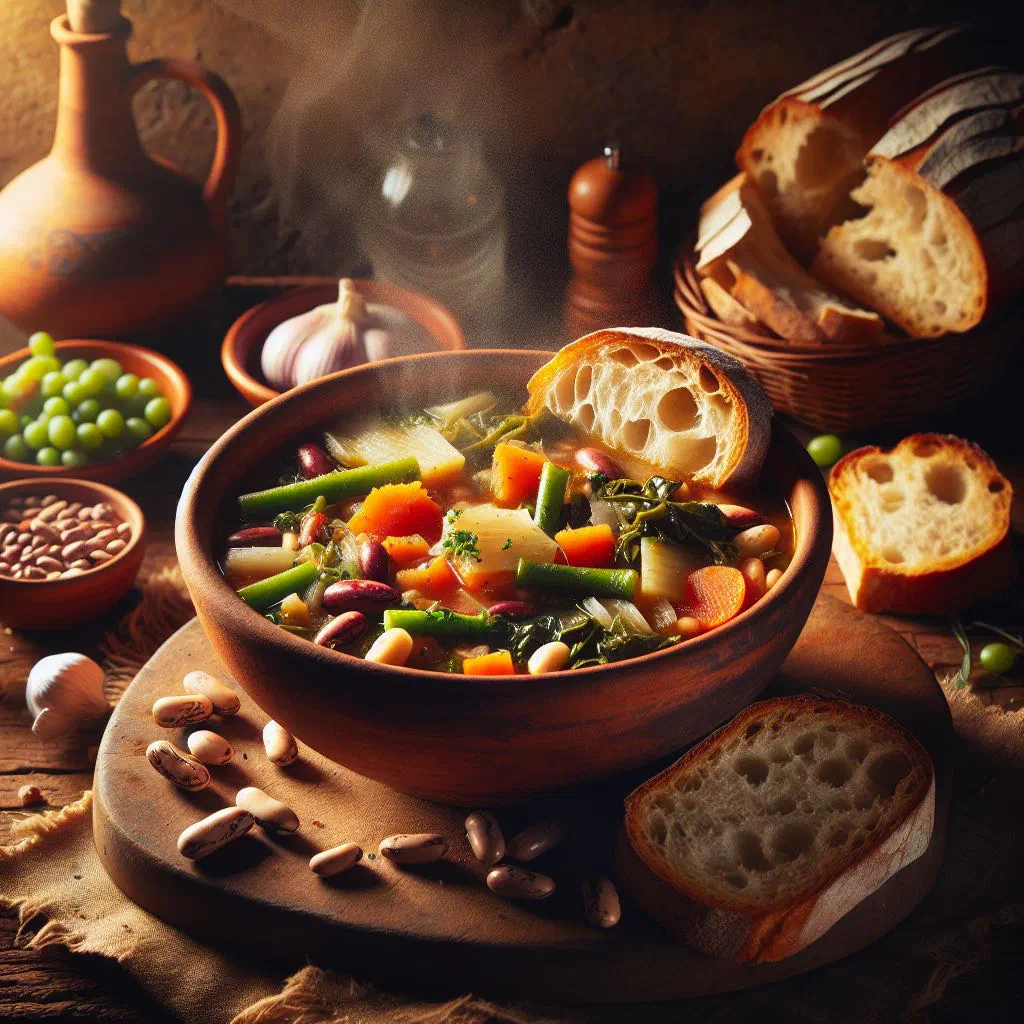
Step into the heart of Tuscany with Ribollita, the hearty vegetable soup that has fed Italian families for generations. Thick with white beans, dark cavolo nero and chunks of rustic bread, this is honest, soul-warming peasant cooking at its very best. The name means “reboiled”, a nod to the way the soup is gently reheated over several days until its flavours grow deeper and richer. Bring a taste of the Tuscan countryside straight to your own table. Buon appetito.
About Ribollita
Ribollita is a traditional Tuscan soup built around vegetables, bread and beans. The name means “reboiled”, because this comforting dish is often warmed through several times, which only makes the flavours more intense. It is a wonderful way to use up stale bread and leftover vegetables, turning humble odds and ends into something genuinely nourishing. At its core is a slow-simmered base of seasonal vegetables thickened with bread until it reaches a rich, almost stew-like consistency. Served piping hot with a drizzle of good olive oil, it is the kind of soup that tastes of home.
Ingredients (serves 1–2)
- 2 tablespoons olive oil
- 1 onion, finely chopped
- 1 carrot, diced
- 1 stick of celery, diced
- 2 cloves of garlic, chopped
- 200 g kale or black cabbage, roughly chopped
- 200 g cavolo nero, chopped
- 1 tin of white beans (about 400 g), drained and rinsed
- 400 g tinned chopped tomatoes
- 200 g stale bread, torn into pieces
- 1 litre vegetable stock
- Salt and pepper, to taste
- Optional: Parmesan, to scatter over
Shopping for the ingredients
You will find the ingredients for ribollita easily in any well-stocked supermarket. For the best results I would recommend buying fresh, good-quality vegetables and, where possible, shopping regionally and in season. Especially important are a good loaf of stale bread and fresh kale or black cabbage. A trip to a local market is a lovely way to track down the best cavolo nero, the dark Tuscan kale that gives the soup its character.
Preparing the dish
Before you start cooking, make sure all your ingredients are prepped and ready to go. Finely chop the onion, garlic, carrot and celery. Roughly chop the kale or black cabbage and rinse the beans thoroughly. A tidy work surface and a little groundwork make the whole process flow smoothly, so you can cook at a relaxed, unhurried pace, much as a Tuscan home cook would.
Step-by-step instructions
- Heat the olive oil in a large pot and sauté the onion, carrot and celery until softened.
- Add the garlic and fry briefly until fragrant.
- Stir in the kale and cavolo nero and cook until they have wilted down.
- Add the beans, chopped tomatoes and vegetable stock.
- Season the soup with salt and pepper and let it simmer gently for 30 minutes.
- Stir in the stale bread and let the soup continue to cook until the bread has completely softened and thickened it.
- Optional: scatter with grated Parmesan just before serving.
Gluten-free / lactose-free version
Ribollita is straightforward to make gluten-free. Simply swap the regular loaf for one of the widely available gluten-free breads, so the dish suits anyone with a gluten intolerance, while still keeping that signature thick, hearty texture. For a lactose-free version, leave out the Parmesan or choose a plant-based cheese alternative. With these small swaps, everyone at the table can enjoy a bowl without compromise.
Tips for vegans and vegetarians
This recipe is already vegetarian and can easily be made vegan by leaving out the Parmesan or replacing it with a plant-based cheese. Just make sure the vegetable stock you use is vegan too, as some shop-bought stocks contain hidden animal products. Fresh vegetables and good olive oil do all the heavy lifting here, so this is a naturally plant-friendly classic that needs very little adjustment.
More tips and tricks
For an even deeper flavour, add a splash of red wine to the pot before pouring in the vegetable stock. The stale bread really should be properly dry so that it soaks up the liquid well and thickens the soup. Ribollita often tastes even better the next day, once it has been reheated and the flavours have had time to mingle, so do not be shy about making a big batch.
Adapting the recipe to your taste
Ribollita is a flexible dish, and you can adjust the ingredients to suit your taste and whatever you have to hand. Add extra vegetables such as courgette or peppers, for instance, or stir in a handful of potatoes for an even heartier bowl. If you cannot find cavolo nero, swap it for spinach, much as you might vary the greens in a steaming bowl of Zuppa Toscana. This is a recipe that rewards a little improvisation.
Ingredient substitutions
Instead of white beans you can use chickpeas or another type of bean, the same comforting pulses that give a Pasta e Ceci its body. The bread can be replaced with gluten-free alternatives, and if you cannot find kale or black cabbage, savoy cabbage or chard work very well too. Substitutions like these let you adapt the recipe to what is in season or simply to your own preferences.
Drink pairing ideas
A good Tuscan red wine goes beautifully with ribollita, echoing the rustic, earthy flavours of the soup. If you would rather keep things alcohol-free, try a homemade lemonade infused with fresh herbs or a spiced apple juice. A simple glass of sparkling water with a slice of lemon also makes a clean, refreshing partner that lets the soup take centre stage.
Serving and presentation ideas
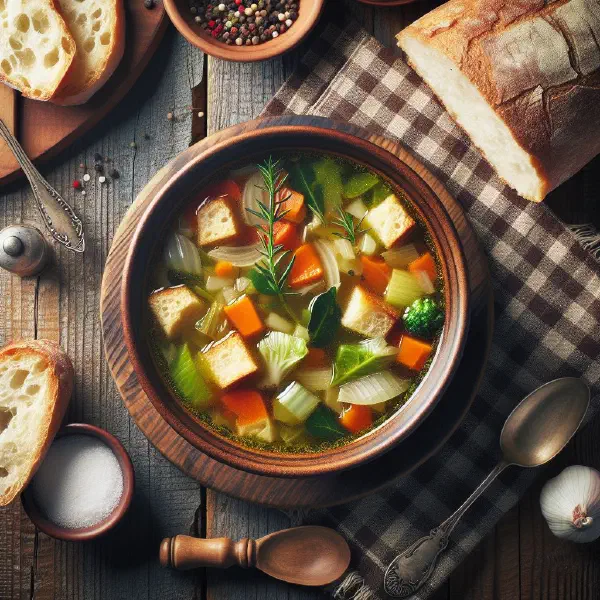
Serve ribollita in rustic bowls and garnish with a little freshly chopped parsley or basil. A slice of toasted bread brushed with olive oil rounds off the presentation and gives you something to mop up every last spoonful. A final generous drizzle of extra virgin olive oil over the top adds gloss and richness, much as you would finish a plate of Crostini Toscani.
A bit of history
Ribollita has its roots in the peasant cooking of Tuscany and arose as a way of putting leftover food to good use. The dish was especially important in times of scarcity, since it is both filling and nourishing, made from little more than bread, beans and whatever vegetables were to hand. The word “ribollita” means “reboiled”, because the soup was often reheated over several days, growing thicker and tastier with each warming. It is a proud example of the thrifty, resourceful spirit of Italian cuisine.
More recipe ideas
Summary: Ribollita
Ribollita is a classic Italian dish that wins you over with its simplicity and versatility. Made with fresh ingredients, it is wonderfully tasty and healthy and satisfying, the perfect bowl for a cold day. When it is arguably even better, ribollita captures the warm, frugal heart of Tuscan cooking. Have fun recreating it at home, and Buon Appetito.