National Dish Italy: Schiacciata (Recipe)
In this article
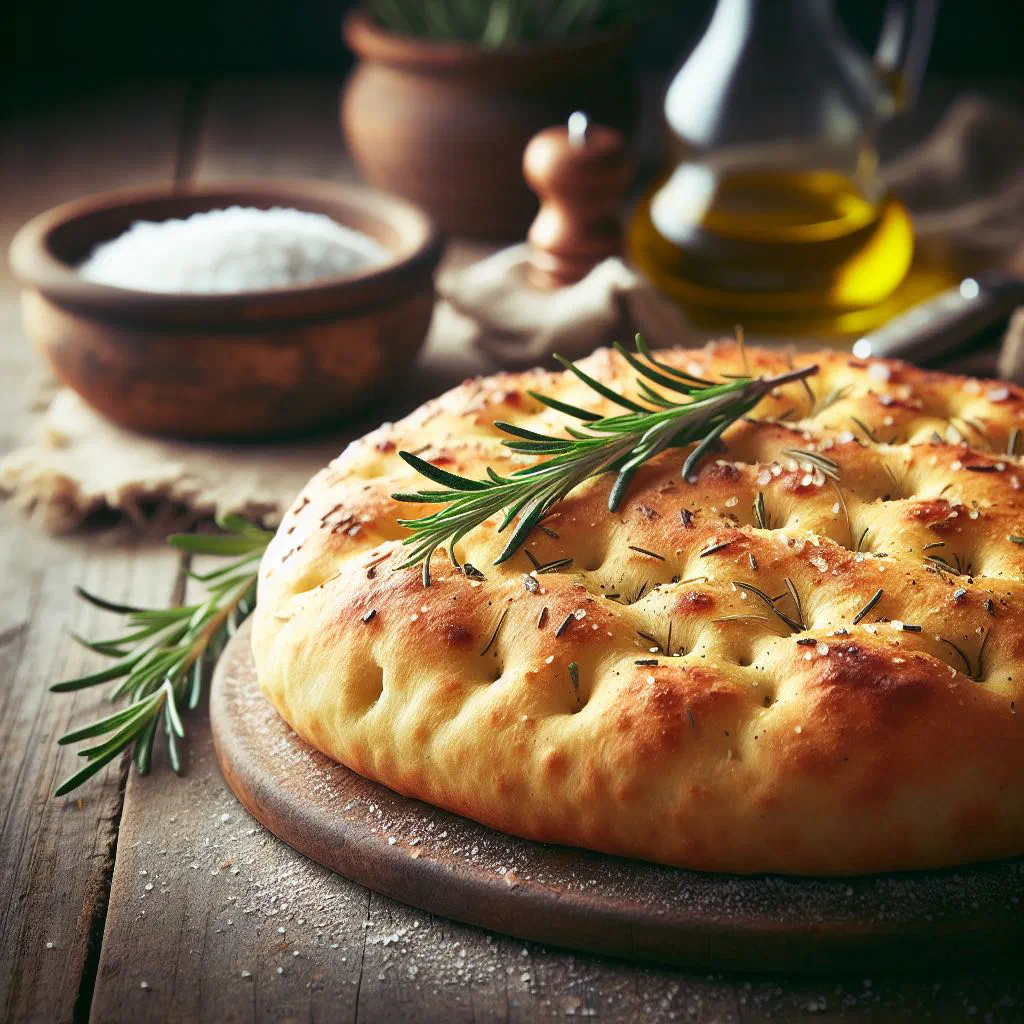
Discover Schiacciata, the very good flatbread that captures the rustic soul of Tuscany. Crisp and golden on the outside, soft and airy within, it is scented with fruity olive oil and fragrant rosemary. This simple, satisfying bread asks for only a handful of ingredients yet delivers a real taste of Italy. Schiacciata brings a slice of the Tuscan table straight into your kitchen.
About Schiacciata
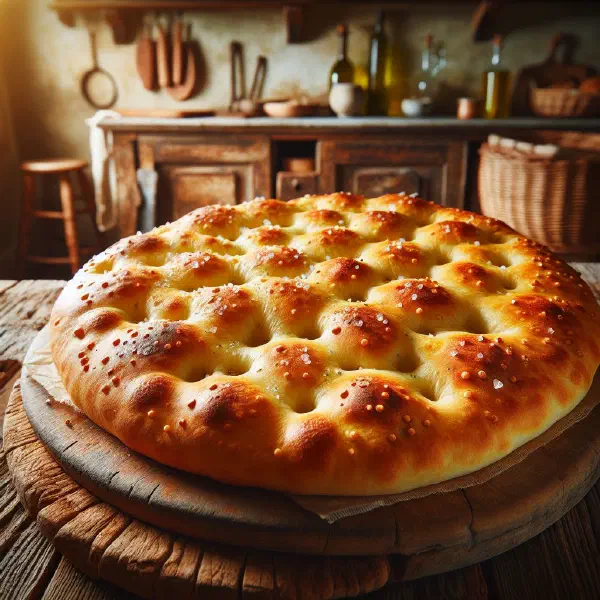
Schiacciata is a traditional Italian flatbread, much loved for its olive-oil-rich crumb and its dimpled, golden crust. The name comes from the Italian schiacciare, meaning “to flatten” or “to crush,” which describes exactly how the dough is pressed out before baking. A close cousin of focaccia, it has deep roots in Tuscany and is now enjoyed across the country. Often finished simply with olive oil and herbs, it can also be topped with tomatoes, olives or onions. Easy to make and wonderfully versatile, schiacciata works equally well as a side or as a meal in its own right.
Ingredients (serves 1–2)
- 250 g plain flour
- 150 ml water
- 10 g fresh yeast (or 5 g dried yeast)
- 1 tsp sugar
- 1 tsp salt
- 3 tbsp olive oil
- Rosemary, or other herbs to taste
Shopping for the ingredients
For the best schiacciata, it is worth seeking out high-quality ingredients. Pay close attention to the flour, as it has a big influence on both flavour and texture. The olive oil should be extra virgin to guarantee that authentic Italian taste. Fresh yeast can easily be swapped for dried yeast if you do not have any to hand. Most of what you need is readily available in any decent supermarket, and a good Italian deli is the perfect place to track down a particularly fine olive oil.
Preparing the dish
Before you start, measure out and lay out all your ingredients so everything is ready to go. This makes the whole process smoother and saves you any unnecessary fuss. Make sure the yeast is properly dissolved and that the water is at the right temperature to activate it, pleasantly warm, never hot. A well-organised work surface helps you work more efficiently and enjoy the baking from start to finish.
Step-by-step instructions
- Stir the yeast and sugar into the lukewarm water and leave to stand for 10 minutes, until bubbles begin to form.
- Tip the flour into a bowl and make a well in the centre. Pour in the yeast mixture and 2 tablespoons of olive oil.
- Bring everything together and knead into a soft, elastic dough, adding a little more water or flour as needed.
- Cover the dough and leave it to rise in a warm spot for about 1 hour, until doubled in size.
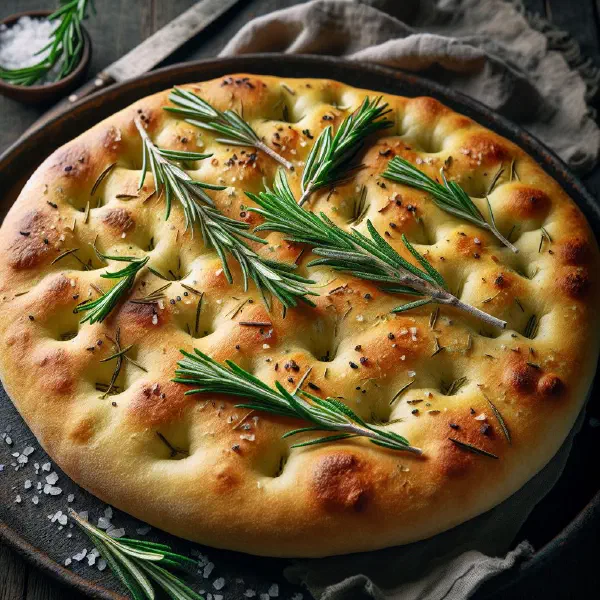
- Place the dough on a floured baking tray and press it out into your desired shape. Brush with olive oil and scatter with rosemary.
- Bake in a preheated oven at 220°C (conventional) for about 20–25 minutes, until the schiacciata is golden brown.
Gluten-free / lactose-free version
If you prefer a gluten-free version, you can use gluten-free flour instead. Choose a good-quality blend that is well suited to bread-making so the crumb still rises nicely. Happily, no changes are needed for a lactose-free version, as the recipe contains no dairy at all. Just be sure to use a good olive oil to bring out the very best flavour in the finished loaf.
Tips for vegans and vegetarians
The traditional schiacciata recipe is already vegan, so no adjustments are required. Even so, it is worth double-checking that every ingredient you use really is plant-based. Some yeast products or flours can contain additives that are not strictly vegan, so it pays to read the labels carefully. With a little attention, this rustic flatbread suits both vegan and vegetarian diets perfectly.
More tips and tricks
For an especially light, airy schiacciata, leave the dough to rise overnight in the fridge. This slow fermentation develops a deeper flavour and a better texture. Feel free to experiment with different toppings, too, cherry tomatoes, olives or caramelised onions all work beautifully. The sheer versatility of this bread makes it an ideal canvas for creative baking, much like a homemade Focaccia Genovese.
Adapting the recipe to your taste
Schiacciata lends itself wonderfully to personal preference. You can adjust the ratio of flour to water for a softer or crisper texture, depending on how you like it. The choice of herbs and toppings can be varied freely as well. Try sage, thyme or a generous scattering of sea salt.
Ingredient substitutions
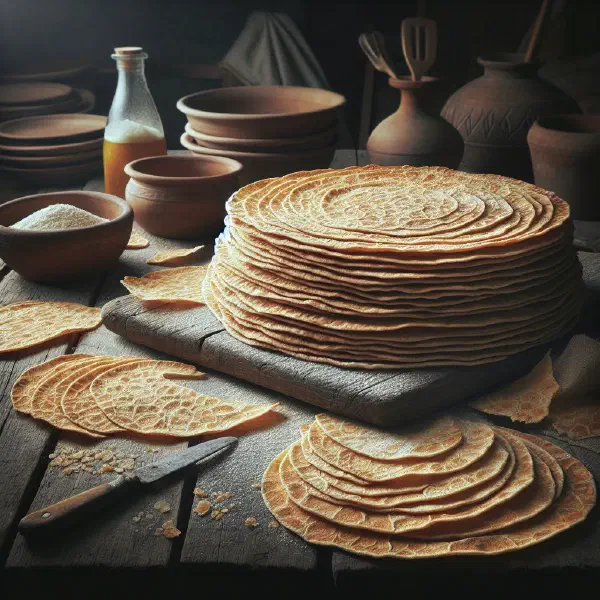
If you find yourself short of a particular ingredient, there is usually a sensible alternative. Fresh yeast can be replaced with dried yeast without any trouble. Instead of rosemary, other herbs such as thyme or sage work just as well. Even the flour invites a little experimentation. Try replacing part of it with spelt or wholemeal flour for a nuttier, more rustic loaf, a trick that also suits a wholesome Pane Carasau.
Drink pairing ideas
A freshly baked schiacciata pairs beautifully with a good wine, whether a light white or an aromatic red. It also goes splendidly with a refreshing beer for a more casual spread. If you prefer something alcohol-free, lemon water or a light iced tea make a lovely accompaniment that won’t overshadow the bread’s gentle, savoury flavour.
Serving and presentation ideas
A nicely presented schiacciata makes it twice as enjoyable to eat. Cut the bread into even pieces and serve it on a rustic wooden board with a scattering of fresh herbs. A little bowl of olive oil for dipping rounds off the flavour wonderfully. Small dishes of olives or sun-dried tomatoes alongside add both colour and interest to the table, turning a simple loaf into an inviting centrepiece of Italian cuisine.
A bit of history
Schiacciata and its relatives have a long history stretching all the way back to antiquity. The closely related word focaccia derives from the Latin “focus,” meaning “hearth” or “fireplace.” Originally, this kind of flatbread was baked directly on hot stones or bricks set in the embers. Today it is mostly prepared in the oven, yet it has lost none of its original rustic charm. Every bite still tells the story of the Tuscan countryside.
More recipe ideas
Summary: Schiacciata
All in all, schiacciata offers a wonderful way to bring a piece of Italy into your own home. With just a few simple ingredients and a handful of steps, you can conjure up a delicious bread that adapts easily to your tastes. Whether kept classic with rosemary or topped creatively, schiacciata is always a treat. Give our recipe a try and let the variety and simplicity of this Tuscan classic win you over.