National Dish Italy: Seadas (Recipe)
In this article
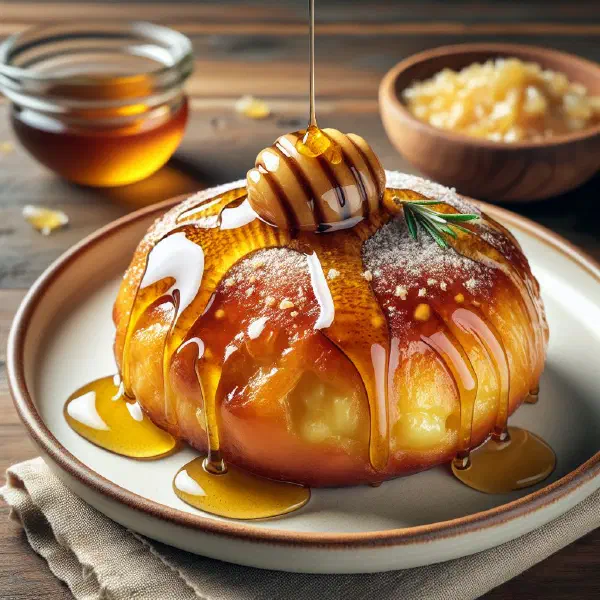
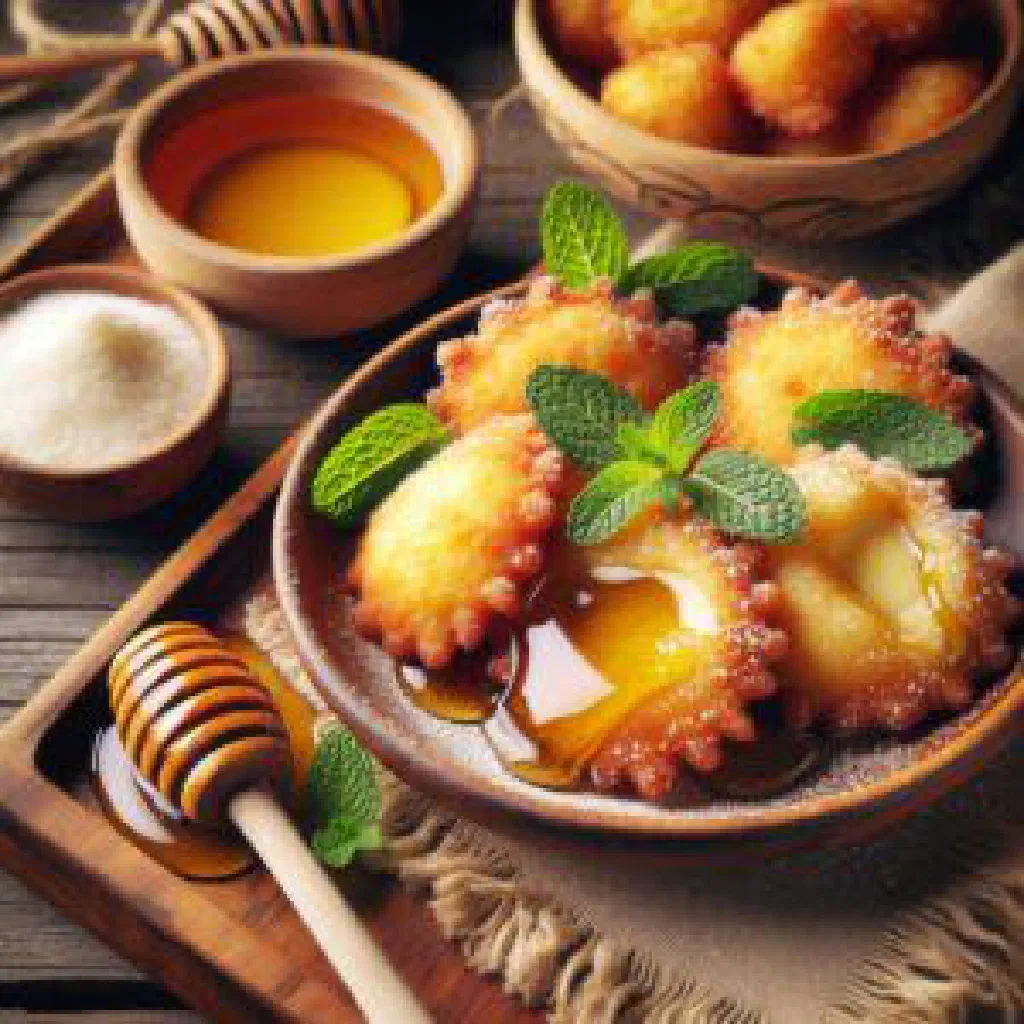
Discover Seadas, one of Sardinia’s most treasured sweet treats. These golden, deep-fried pastry parcels hide a warm, melting centre of tangy sheep’s cheese, all finished with a generous drizzle of fragrant honey. The interplay of sweet and savoury makes them utterly distinctive, rustic yet refined, and rooted in centuries of island tradition. Bring a taste of the Sardinian countryside to your own kitchen with this good dessert.
About Seadas
Seadas, also known as sebadas or seada, is a traditional Italian dessert from Sardinia. What makes it so special is the pairing of a crisp fried pastry shell with a sweet-savoury filling of local sheep’s cheese. Originally the dish was eaten as a main course, but today it is most often enjoyed as a pudding. Seadas is a wonderful example of the many cultures that have shaped Sardinia over the centuries, and it sits proudly among the great sweets of Italian cuisine.
Ingredients (serves 1–2)
- 200g plain wheat flour
- 50g lard
- 100ml water
- 200g pecorino cheese
- 1 lemon (zest only)
- Honey, to serve
- Olive oil, for frying
Shopping for the ingredients
When shopping for the ingredients, it is worth choosing good-quality products throughout. Wheat flour and lard are easy to find in any well-stocked supermarket. Most important of all is the pecorino cheese, made from sheep’s milk, which gives the dessert its characteristic flavour. The lemon zest and the honey can be bought in organic quality too, to deepen the aroma even further.
Preparing the dish
Good preparation is key to bringing out the full potential of Seadas. Begin by grating the pecorino cheese and mixing it with the grated lemon zest. Next, knead a dough from the wheat flour, lard and water until it is smooth and supple. Divide the dough into two portions and set them aside to rest for a little while.
Step-by-step instructions
- Roll out the dough and cut out round discs.
- Place a portion of the cheese-and-lemon mixture on half of the discs.
- Lay the plain discs over the filled ones and seal the edges firmly.
- Heat olive oil in a pan and fry the filled parcels until golden brown.
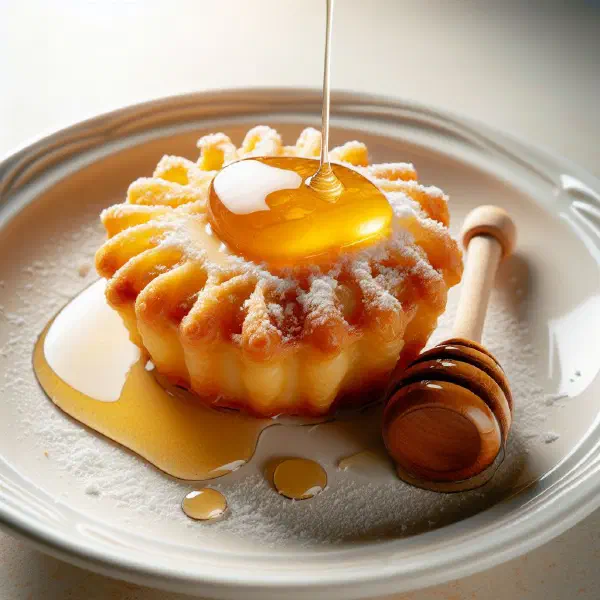
- Drizzle the seadas with honey and serve immediately.
Gluten-free / lactose-free version
For a gluten-free version, you can use a ready-made gluten-free flour, widely available in shops. For a lactose-free preparation, replace the pecorino with a lactose-free cheese that has similar melting properties. These adaptations make it possible to enjoy the dessert even with intolerances, without sacrificing any flavour.
Tips for vegans and vegetarians
For a vegan version of this dish, swap the pecorino for a good-melting plant-based cheese. Use vegetable fat in place of the lard, and make sure to replace the honey with a vegan sweetener such as maple syrup or agave nectar. With these adjustments, seadas can easily be made suitable for vegans too.
More tips and tricks
A few extra tips can make preparing and eating seadas even better. For a finer dough, you can pass it through a sieve. Try to roll the dough out as thinly as possible to achieve a wonderfully crisp outer shell. Another handy trick is to chill the pecorino in the freezer for a few minutes, which makes it far easier to grate.
Adapting the recipe to your taste
Seadas can be adjusted however you like to suit different palates. If you prefer it sweeter, add a little sugar or extra honey. For a more pronounced citrus note, simply work in more lemon zest. You can also experiment with other cheese varieties if pecorino is not to your taste. Every little change lends the dish a personal touch.
Ingredient substitutions
If you have trouble finding some of the ingredients, there are several good alternatives. In place of pecorino, you can use other hard, melting cheeses such as Parmesan, the very same cheese that brings depth to a plate of Trofie al Pesto. Lard can be replaced with butter or vegetable fat. And if you cannot get hold of Italian honey, maple syrup or agave nectar make fine substitutes.
Drink pairing ideas
The dessert seadas pairs beautifully with a range of drinks. A sweet white wine such as Moscato d’Asti complements the flavours of the honey and cheese perfectly. A well-chilled Prosecco is another excellent choice. For non-alcoholic options, fruity spritzers or a herbal tea round off the sweet and savoury elements of the dish in lovely harmony.
Serving and presentation ideas
Presentation can make the seadas experience even more enjoyable. Serve the dessert on a handsome, large plate and garnish with fresh lemon slices and a sprig of rosemary. A little extra dollop of honey on each seada adds that certain something. Arranging them on a wooden board can also lend a rustic, authentic touch.
A bit of history
Seadas has a deep historical background that reaches back to the Middle Ages. Originally eaten as a filling main course, often after a hard day’s work in the fields, the dish has evolved over time. It reflects the many cultural influences that have shaped Sardinia across the centuries. The marriage of sweet and savoury flavours is closely tied to festivities and special occasions, much as the celebratory Pane Carasau and Fregola con Arselle are woven into Sardinian island life.
More recipe ideas
Summary: Seadas
Seadas is a unique, traditional Italian dessert from Sardinia that brings together crisp fried pastry and a sweet cheese filling. The ingredients are simple yet of high quality, which is exactly what makes the flavour so memorable. The preparation is fairly straightforward and can be adapted to a range of dietary needs. With a few tweaks and tips, seadas can be made entirely your own, a sweet, savoury pleasure to suit every taste.