National Dish Italy: Sfogliatella (Recipe)
In this article
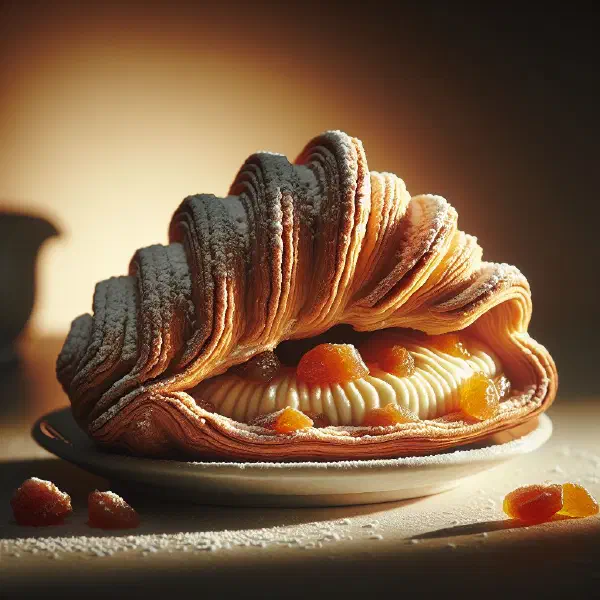
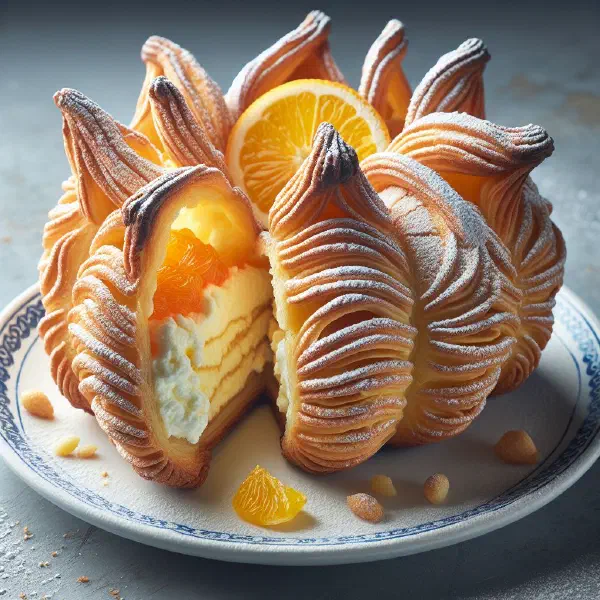
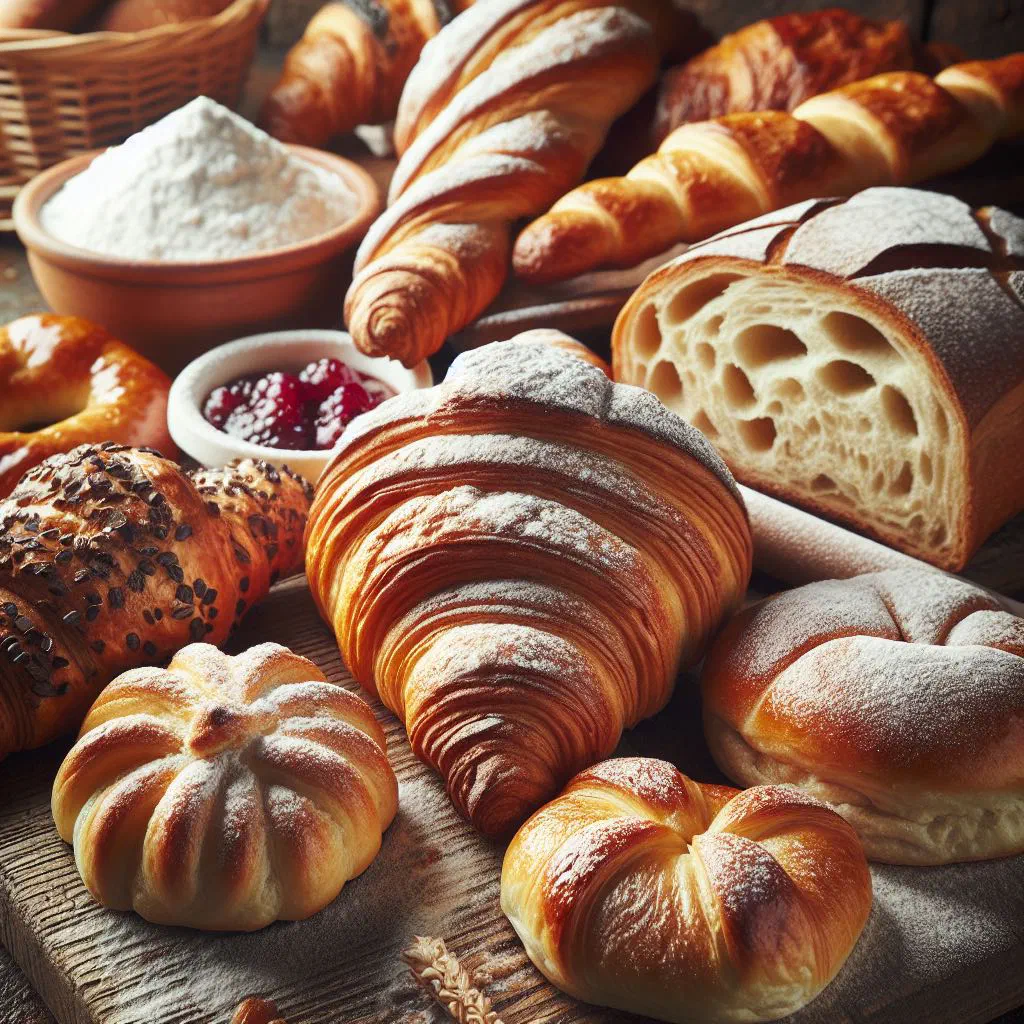
Few Italian pastries are as instantly recognisable as the Sfogliatella, with its layered, shell-shaped crust and its fragrant ricotta filling. Born in the convents of Campania, this crisp, golden treat is a true labour of love, a little patience and a steady hand are rewarded with paper-thin pastry and a sweet, citrus-scented centre. Bring the spirit of a Neapolitan pasticceria into your own kitchen with this classic recipe.
About Sfogliatella
Italy is famous for its wonderfully varied and delicious pastries, and one of the most celebrated and traditional of them all is the Sfogliatella. Originally from the region of Campania, this pastry wins hearts with its crisp, flaky shell and its delicate filling. The preparation calls for a little patience and skill, but the result is well worth every bit of effort. It is a cornerstone of Italian cuisine and a point of pride for bakers across the south.
Ingredients (serves 1–2)
- 200 g plain flour
- 50 g sugar
- 100 g butter
- 50 ml water
- 250 g ricotta
- 50 g semolina
- 1 egg
- 1 tsp cinnamon
- 1 tsp vanilla extract
- 50 g candied orange peel
- A pinch of salt
Shopping for the ingredients
All the ingredients for the Sfogliatella should be as fresh and as high in quality as you can find. Fresh ricotta and good butter are especially important, as they give the pastry its lovely, supple texture. For the flour, type 00 is the best choice to achieve the fine, delicate crumb this pastry is known for. For the candied orange peel, it is worth looking in Italian delis or well-stocked supermarkets to find a good one.
Preparing the dish
The first step in the preparation is weighing out and laying out all of the ingredients. It is important to take the butter out of the fridge in good time so that it reaches room temperature and is easy to work with. The ricotta should be set in a fine sieve to allow any excess liquid to drain away. For the best results when working the dough, it is worth giving the ingredients a brief chill beforehand.
Step-by-step instructions
- Put the flour, sugar and a pinch of salt into a bowl and mix together.
- Add the butter in small pieces and work it in with your fingertips until the mixture is crumbly.
- Slowly add the water and knead the dough until it is smooth. Wrap in cling film and leave to rest in the fridge for 30 minutes.
- Roll out the dough thinly and cut it into small rectangles.
- For the filling, mix together the ricotta, semolina, egg, sugar, cinnamon, vanilla extract and candied orange peel.
- Place a teaspoon of the filling onto each rectangle of dough, brush the edges with water and fold them together.
- Lay the sfogliatelle on a baking tray and bake at 180°C for 20–25 minutes until golden brown.
Gluten-free / lactose-free version
For a gluten-free version of the Sfogliatella, the plain flour can be swapped for a gluten-free flour blend. Make sure the blend has a high starch content so you can still achieve the right dough consistency. For a lactose-free version, the butter can be replaced with plant-based margarine, and the ricotta with a lactose-free ricotta or a plant-based alternative such as almond curd.
Tips for vegans and vegetarians
To make sfogliatelle vegan, the eggs and dairy need to be replaced. The butter can be swapped for plant-based margarine and the ricotta for a vegan ricotta or almond curd. The egg in the filling can be replaced with an egg-replacement binder such as apple purée or ground flaxseed. When choosing the rest of the ingredients, take care that they are vegan too.
More tips and tricks
A little tip: always keep the dough well chilled and work quickly, so that the butter layers in the pastry do not melt. A steady hand and a sharp knife are key to cutting the dough rectangles evenly and precisely. It is also worth giving the finished sfogliatelle a minute of steam in the oven to create an extra-crisp shell.
Adapting the recipe to your taste
The lovely thing about the Sfogliatella is just how easily it can be adapted. The classic filling is made from ricotta, semolina and candied orange peel, but other ingredients such as chocolate chips or jam can be used too. The amount of cinnamon can be adjusted to personal taste, and instead of candied orange peel you can use other candied fruits. The same playful spirit shines through a rich Limoncello Tiramisu.
Ingredient substitutions
If certain ingredients are not available, there are several alternatives to fall back on. Candied lemon, for example, can be used in place of candied orange peel. For the filling, mascarpone or cream cheese can stand in for the ricotta if you would like a creamier consistency. If you do not have semolina to hand, fine cornmeal makes a good substitute.
Drink pairing ideas
A range of drinks goes wonderfully with Sfogliatella. A strong espresso or a cappuccino are the classic companions to this Italian pastry. A glass of amaretto or a sweet dessert wine such as Vin Santo also harmonises beautifully with the flavours of the pastry. For an alcohol-free option, a fruity orange or lemon juice works a treat.
Serving and presentation ideas
The presentation of the Sfogliatella can easily turn up the wow factor. Serve them on a pretty cake stand or a dessert plate and dust them lightly with icing sugar. Fresh mint leaves or a slice of orange as a garnish add a special touch. You can also serve the pastries in little paper cases to make them even more inviting.
A bit of history
The Sfogliatella has a long and fascinating history that reaches back to the 17th century. It originated in a convent in Campania, where the nuns are said to have invented the recipe. The pastry quickly became known across the region and grew enormously popular. Over time the sfogliatella developed into one of the most famous sweets in Italy, and today it is enjoyed in many regions of the country in a range of different variations.
More recipe ideas
Summary: Sfogliatella
The Sfogliatella is a true highlight of Italian baking. With its crisp shell and aromatic filling, it brings the authentic taste of Italy straight to the plate. Although the preparation is a little demanding, the effort is more than worth it for such a heavenly result. Experiment with different fillings and adaptations to find your own perfect version, and let this Neapolitan classic win you over.