National Dish Italy: Stinco di Maiale al Forno (Recipe)
In this article
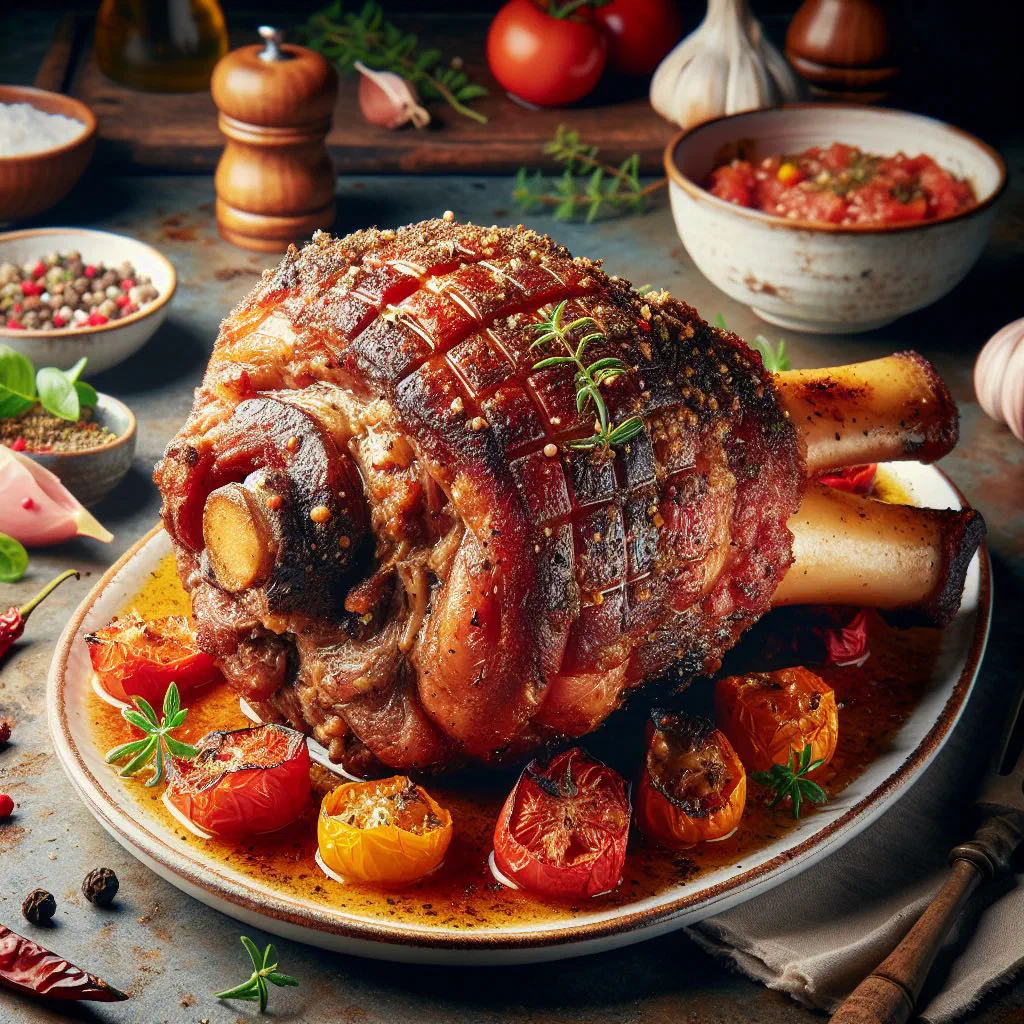
Meet Stinco di Maiale al Forno, the slow-roasted pork shank that turns a quiet Sunday into a feast. Tender meat falls away from the bone beneath a sheet of golden, crackling crust, while rosemary, thyme and garlic perfume the whole kitchen. It is rustic, generous food at its very best. Perfect for a festive gathering or an unhurried family meal. Bring a taste of the Italian Alps to your table and let everyone dig in.
About Stinco di Maiale al Forno
Stinco di Maiale al Forno is a traditional Italian dish built around a tender pork shank slow-cooked in the oven. This speciality wins people over with its deep, savoury flavour and with the very good contrast between crisp crackling and succulent meat. It is often finished with aromatic herbs and spices that give it an unmistakable character. Ideal for festive occasions or a relaxed family dinner, it lets your guests experience the warmth and generosity of Italian home cooking.
Ingredients (serves 1–2)
- 1 pork shank (about 1–1.5 kg)
- 2–3 cloves of garlic
- 1 onion
- 2–3 carrots
- 500 ml vegetable or meat stock
- 1–2 sprigs of rosemary
- 1–2 sprigs of thyme
- Olive oil
- Salt and pepper
Shopping for the ingredients
When shopping for Stinco di Maiale al Forno, it pays to pay attention to the quality of your ingredients. Visit a trusted butcher to pick up a good, well-trimmed pork shank. Fresh herbs such as rosemary and thyme, ideally grown locally, also make a real difference to the flavour of the dish. The vegetables, carrots and onions in particular, should be as fresh as possible to round out the taste, much as they do in a hearty Spezzatino di Maiale.
Preparing the dish
Before you start cooking your Stinco di Maiale al Forno, it is important to prepare all the ingredients. Rinse the pork shank thoroughly and pat it dry with kitchen paper. Finely chop the garlic and onion, and cut the carrots into chunks. These few preparations are well worth the effort, as they make the cooking process smoother and save you time once the shank is in the oven.
Step-by-step instructions
- Preheat the oven to 180 °C.
- Heat a little olive oil in a roasting pan and brown the pork shank all over until it takes on a golden colour.
- Add the chopped onion, garlic and carrots and sauté briefly.
- Pour in the stock and add the herbs.
- Cover the pan with a lid and let the shank cook in the oven for about 1.5 to 2 hours.
- Remove the lid for the last 30 minutes to crisp up the crackling.
- Check that the meat is cooked through, then serve it hot straight from the oven.
Gluten-free / lactose-free version
Stinco di Maiale al Forno is naturally gluten-free and lactose-free. The main dish itself contains no gluten-bearing ingredients, so you can enjoy it without worry even with an intolerance. Just make sure to choose a gluten-free stock as well. With that single check, the recipe becomes accessible to every guest while remaining a delicious experience.
Tips for vegans and vegetarians
Naturally, vegans and vegetarians cannot recreate Stinco di Maiale al Forno exactly, but they can craft a version of their own. In place of the pork shank, prepare a hearty vegetable dish using similar aromatics, a whole roasted cauliflower or aubergine works beautifully. These vegetables roast in much the same way and can be seasoned with the same herbs to achieve a deep, savoury flavour. Experiment with different vegetable variations to create your own delicious centrepiece.
More tips and tricks
For a perfect Stinco di Maiale al Forno, it helps to marinate the shank a few hours ahead. This gives the meat plenty of time to soak up the flavour of the herbs. Make use of the leftover roasting juices too, reducing them into a rich sauce to serve alongside. And remember to let the meat rest before carving so the juices can redistribute, giving you an even more succulent result.
Adapting the recipe to your taste
Everyone has their own preferences when it comes to food, and Stinco di Maiale al Forno is easy to tailor to suit them. Add extra spices such as paprika or caraway, for instance, to build an even bolder flavour. Vegetable variations like sweet potatoes or parsnips can round out the sides and bring more colour and variety to the plate.
Ingredient substitutions
If you do not have certain ingredients for Stinco di Maiale al Forno to hand, there are plenty of alternatives to fall back on. A piece of beef, for example, can stand in for the pork shank to make a similar dish with a slightly different flavour. Not unlike a slow-braised Bollito Misto. Using vegetable stock instead of meat stock makes the dish suitable for vegetarians. Just be sure to adjust the cooking times accordingly.
Drink pairing ideas
Plenty of drinks pair wonderfully with a delicious Stinco di Maiale al Forno. A full-bodied red wine such as a Chianti or a Sangiovese complements the flavours of the dish beautifully. For an alcohol-free option, a sparkling grape juice works very well. Water with a slice of lemon or a light herbal tea also make excellent companions that let the food shine.
Serving and presentation ideas
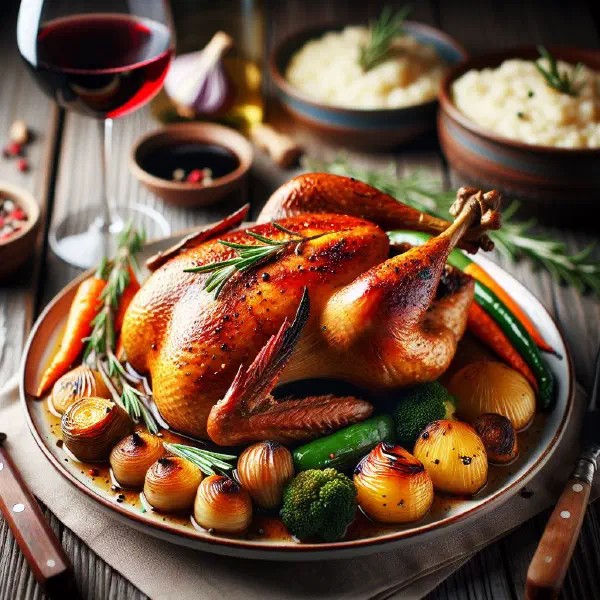
Presentation plays an important part, and Stinco di Maiale al Forno lends itself to a striking arrangement. Serve the shank on a rustic wooden board to play up its Italian, country-table feel. Surround it with colourful vegetables and fresh herbs for a real visual highlight. A handful of peppery rocket or a green salad on the side adds a lovely splash of contrasting colour.
A bit of history
The roots of Stinco di Maiale al Forno lie in Italian cooking, which is celebrated for its hearty, full-flavoured dishes. In the Alpine regions of Italy in particular, roasting meat slowly in the oven is a long-standing tradition. Historically the dish was often served at festive occasions, bringing family and friends together around the table. Today it remains a much-loved part of Italian cuisine, enjoyed not only across Italy but in many other parts of the world too.
More recipe ideas
Summary: Stinco di Maiale al Forno
Stinco di Maiale al Forno is a fixture of Italian cooking that appeals to time and again with its deep, savoury flavour and its tender, falling-apart texture. It is simple to prepare and easily adapted through any number of variations. Whether for a special occasion or a cosy family dinner, this dish brings the authentic taste of Italy straight to your table. Give it a try and enjoy the pleasure of cooking and eating in the company of those you love.