National Dish Italy: Stracciatella Soup (Recipe)
In this article
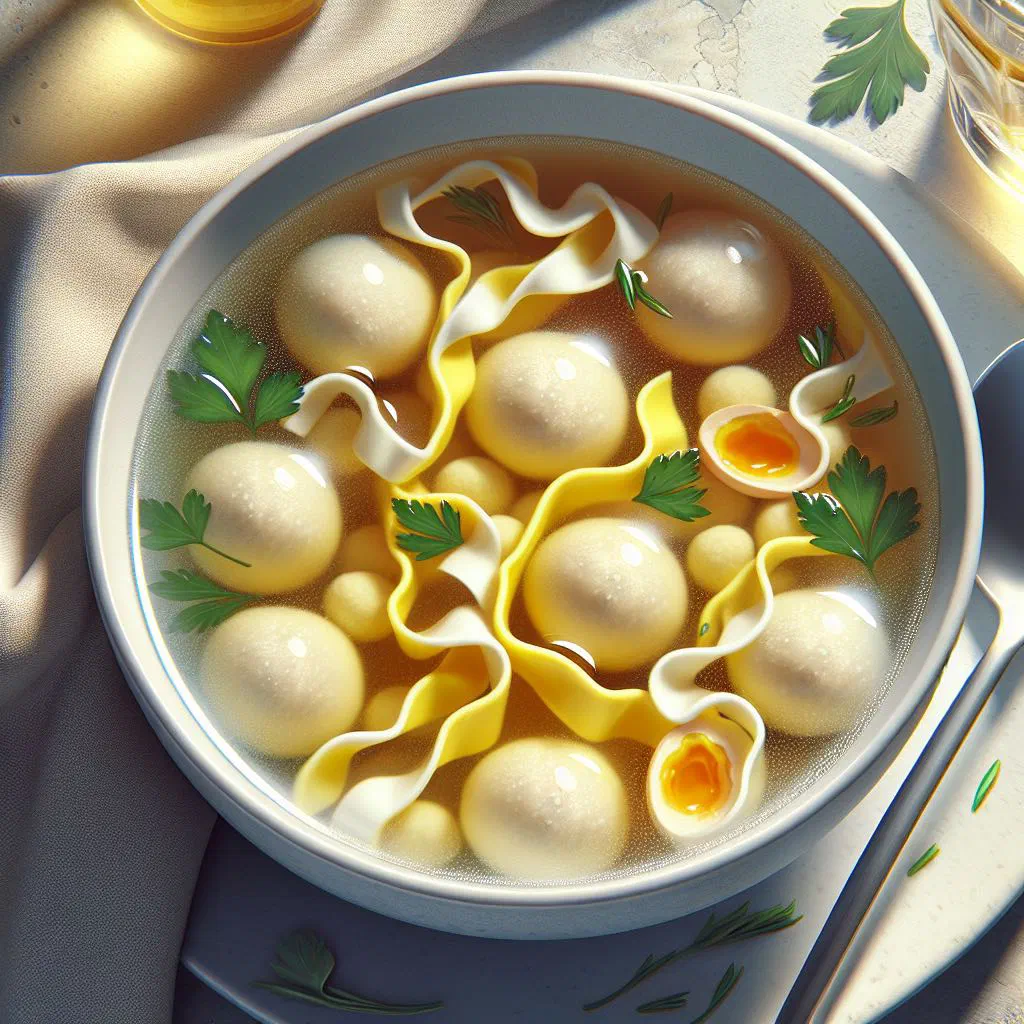
Few dishes capture the easy elegance of Italian home cooking quite like Stracciatella Soup. With little more than a good broth, beaten egg and a handful of freshly grated parmesan, it turns the simplest of pantry staples into something genuinely comforting. As the egg is stirred into the hot stock it sets into delicate, ragged threads, the very feature that gives the soup its name. Light enough for a starter yet satisfying as a main, it brings a touch of Roman warmth to any table.
About Stracciatella Soup
Stracciatella Soup is a wonderful example of Italy’s simple, flavour-led cooking. It brings together the taste of a fresh broth and good-quality parmesan to create something distinctive and deeply satisfying. The soup’s silky character comes from the beaten egg, which forms its lovely ragged pattern the moment it meets the hot stock. Ideal as a light starter or as a gentle main course, stracciatella is a pleasure for every palate and a fine introduction to the comforting world of Italian cuisine.
Ingredients (serves 1–2)
- 500 ml chicken or vegetable broth
- 2 large eggs
- 40 g freshly grated parmesan
- 1 tablespoon chopped fresh parsley
- Salt and pepper, to taste
Shopping for the ingredients
When shopping for the ingredients for stracciatella soup, the quality of what you buy makes all the difference. Choose a fresh broth, whether homemade or made from good-quality ingredients. The cheese should always be freshly grated, as this improves the flavour enormously. Look out for free-range eggs too, as they give the best result and a finer texture to the finished soup.
Preparing the dish
Preparing stracciatella soup is straightforward and takes only a few steps. Set out all your ingredients first so the cooking goes as smoothly as possible. Warm the broth gently in a pan, taking care not to let it boil. While it heats, beat the eggs with a fork and grate the parmesan, so everything is ready to come together quickly.
Step-by-step instructions
- Heat the broth in a pan until it is hot but not boiling.
- Slowly stir the beaten eggs into the broth while whisking, so they spread evenly into fine threads.
- Add the freshly grated parmesan and the chopped parsley.
- Season with salt and pepper, then let the soup rest briefly.
- Ladle the soup into bowls and garnish with a little extra parsley to taste.
Gluten-free / lactose-free version
Stracciatella soup is naturally well suited to a gluten-free diet, as the main ingredients contain no gluten. For a lactose-free version, use lactose-free parmesan or a plant-based alternative that offers similar flavour notes. Just check that the broth you buy is lactose-free as well. That way you can enjoy this comforting soup even with particular dietary needs.
Tips for vegans and vegetarians
For vegans, stracciatella soup can be adapted by leaving out the eggs and cheese or swapping them for plant-based alternatives. Use a hearty vegetable broth to build up the flavour, and consider adding finely sliced tofu or a splash of plant-based cream for a silkier texture. Seasonings such as turmeric or nutritional yeast are a clever way to bring back that savoury, umami depth.
More tips and tricks
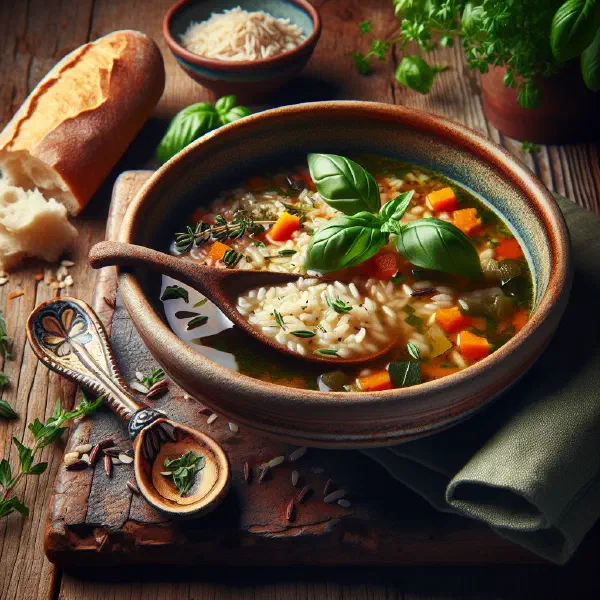
A key tip for the perfect stracciatella soup is to use fresh herbs and good-quality ingredients, which give the soup both more flavour and a more appealing look. If the soup turns out too thick, simply add a little more broth or water to reach the consistency you like. Stirring through extra vegetables such as spinach or courgette is another easy way to add variety, much as you might in a Minestra di Riso.
Adapting the recipe to your taste
Stracciatella soup is highly adaptable and lets you bring your own preferences to the bowl. Increase or reduce the parmesan depending on how strong you want the cheese flavour to be. The broth can vary too, experiment with different blends of chicken and vegetable stock to discover new aromas. There are very few limits, so everyone can find their own perfect version of the soup.
Ingredient substitutions
Several ingredients have handy alternatives worth trying. Instead of a shop-bought broth, a homemade stock seasoned to your liking will intensify the flavour of the soup. If parmesan is hard to find, Pecorino makes a fine stand-in with a sharper note, the same hard cheese that lifts a classic Salsa di Pomodoro. You can vary the herbs as well; try basil or thyme for a different character.
Drink pairing ideas
Stracciatella soup pairs beautifully with a range of drinks. A crisp white wine such as Sauvignon Blanc, or a light rosé, sits perfectly with the flavours of the soup. For a non-alcoholic option, a sparkling mineral water with a squeeze of lemon refreshes the palate nicely. A fruity herbal tea can also make for an interesting accompaniment.
Serving and presentation ideas
A thoughtful presentation can lift the whole experience. Serve stracciatella soup in attractive, deep plates or bowls and garnish with fresh herbs or an extra shaving of parmesan. Crunchy croûtons or a slice of good bread on the side add texture and round out the spread. A few drops of good-quality olive oil provide the finishing touch and make the dish even more appealing, a flourish that works just as well alongside a Minestrone alla Milanese.
A bit of history
Stracciatella soup has its roots in the Italian region of Lazio and is a traditional dish often found in Italian home cooking. The name “stracciatella” comes from the Italian word for “torn” or “shredded”, a nod to the delicate threads of egg that form as it drips into the hot broth. The soup is frequently made as a warming dish during the winter months and is known for its simple yet hearty ingredients. It is a tribute to the philosophy of Italian cooking, which puts freshness and seasonal produce front and centre, a spirit shared by broths such as Anolini in Brodo.
More recipe ideas
Summary: Stracciatella Soup
Stracciatella soup is a simple yet elegant dish that brings the flavours of Italy straight to the plate. With just a few ingredients you can make a delicious soup that shines as both a starter and a light main course. Its adaptability, and the ease with which it can be made gluten- and lactose-free, make it an ideal choice for a range of dietary needs. Let this Italian classic inspire you and enjoy a taste of Italian mastery in your own kitchen.