National Dish Italy: Stracotto di Manzo (Recipe)
In this article
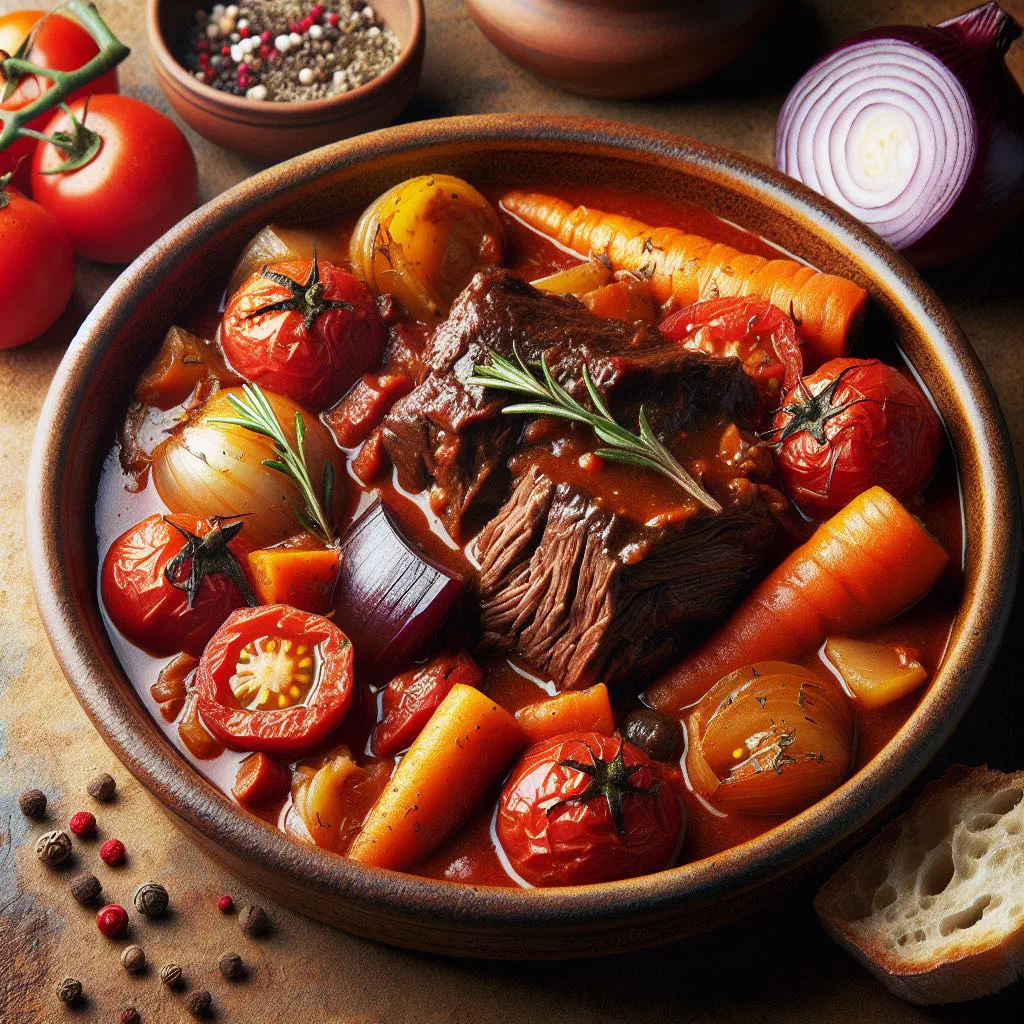
Meet Stracotto di Manzo, one of Italy’s most comforting slow-braised classics. Tender beef is cooked low and slow in a rich pool of red wine until it falls apart at the touch of a fork, while rosemary, thyme and sweet aromatic vegetables melt into a deeply savoury sauce. This is the kind of dish that fills the kitchen with warmth and gathers everyone around the table. Perfect for a relaxed Sunday lunch or a cosy get-together, it brings a generous slice of Italian hospitality to your home.
About Stracotto di Manzo
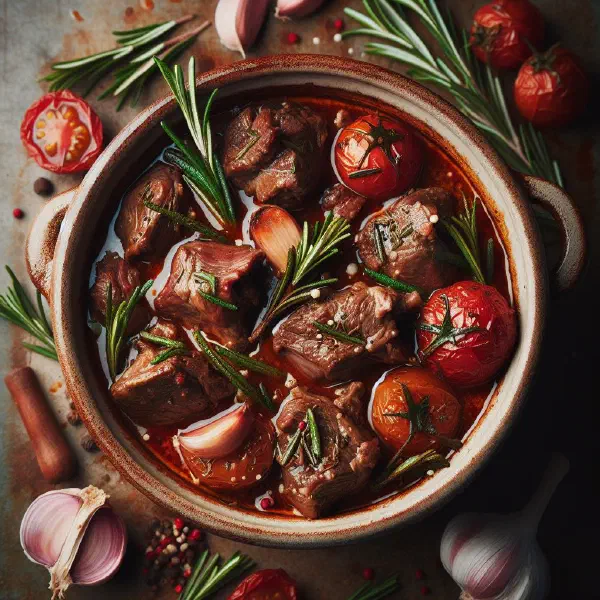
Stracotto di Manzo is a traditional Italian dish that has won over food lovers the world over. This hearty braise is built around tender beef, gently seasoned with a handful of fragrant herbs. The slow, patient cooking method is the secret: the long time in the pot turns the meat meltingly tender while the flavours of the herbs and spices marry beautifully with the wine. More than just a meal, it stands for Italian comfort, conviviality and the pleasure of eating together.
Ingredients (serves 1–2)
- 500 g beef (such as shoulder or shin)
- 2 onions
- 2 carrots
- 2 celery sticks
- 1 garlic clove
- 500 ml red wine
- 100 ml beef stock
- Fresh herbs (such as rosemary and thyme)
- Olive oil
- Salt and pepper, to taste
Shopping for the ingredients
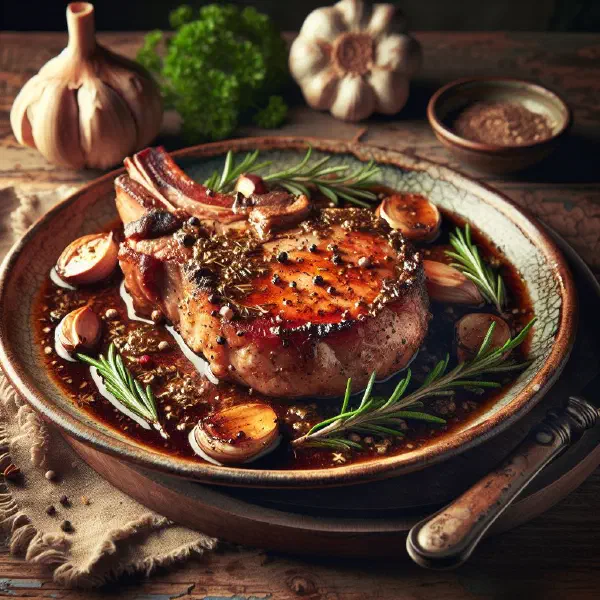
When shopping for stracotto di manzo, it pays to choose good-quality beef, as the cut sets the tone for the whole dish. The vegetables, onions, carrots and celery, should be as fresh as possible, since they shape the overall flavour. It is also well worth picking a decent red wine, because it plays a decisive role in the braise. The same care with a good bottle rewards a Braciola di Maiale al Vino just as much.
Preparing the dish
To get stracotto di manzo under way, start by washing the vegetables thoroughly and chopping them into small pieces. It is best to cut the beef into large cubes, which gives you the perfect texture once braised. Prepare the herbs too, roughly chopping them so their aromas can develop fully during cooking.
Step-by-step instructions
- Heat a little olive oil in a large casserole and brown the beef cubes on all sides until they take on a good colour.
- Add the onions, carrots, celery and garlic and sauté the vegetables briefly with the meat.
- Pour in the red wine and the beef stock and bring everything to the boil.
- Add the fresh herbs and season with salt and pepper.
- Cover the pot and let the dish braise over low heat for at least 2–3 hours, until the meat is fork-tender.
Gluten-free / lactose-free version
Stracotto di Manzo is naturally gluten-free and lactose-free, as the main ingredients contain neither gluten nor dairy. You can enjoy the dish with complete confidence, even if you have an intolerance. Do check, however, that the red wine you use is also gluten-free, just to be sure. With that taken care of, nothing stands between you and a thoroughly satisfying meal.
Tips for vegans and vegetarians
Although stracotto di manzo is a meat dish, there are creative ways to make a vegan or vegetarian version. Instead of beef, you might use seitan or tofu, both of which offer a great texture. Mushrooms also bring a wonderfully savoury, meaty depth, while the remaining ingredients stay exactly the same. That way vegans and vegetarians can enjoy this delicious dish too.
More tips and tricks
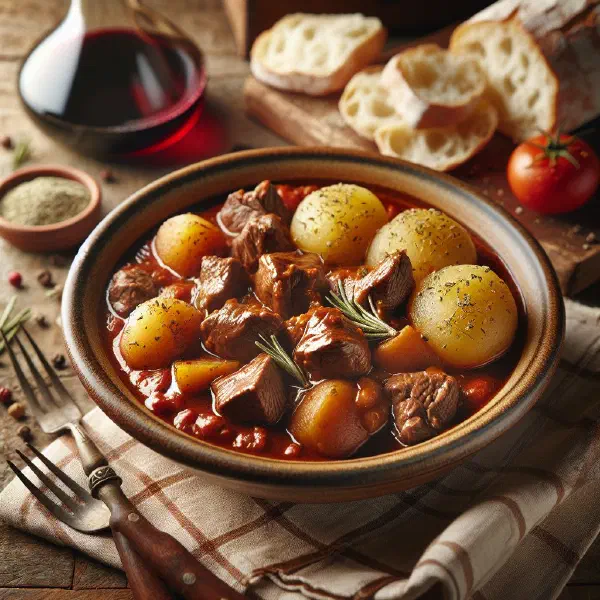
To deepen the flavour of stracotto di manzo even further, marinate the beef in red wine and herbs before browning it. Ideally, leave it in the fridge overnight so the aromas really sink into the meat. It is also a good idea to make the dish a day ahead, as it tastes even better once the flavours have had time to mingle and settle. Serve the stracotto with crusty bread or creamy polenta, much as you would a comforting Spezzatino di Manzo con Patate.
Adapting the recipe to your taste
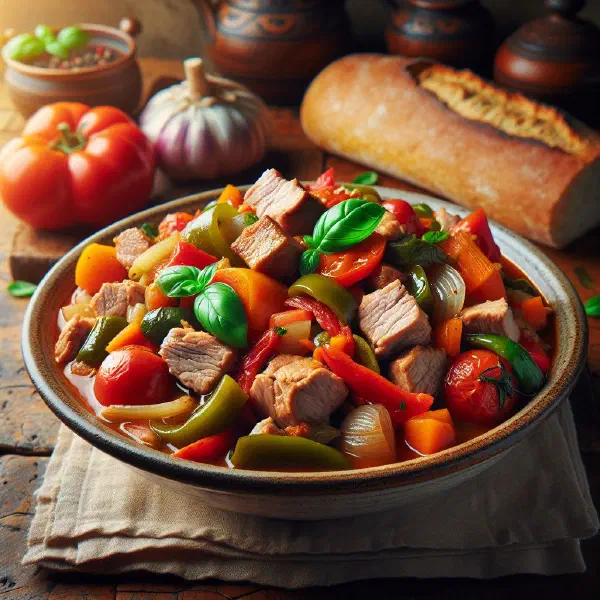
The beauty of stracotto di manzo is how easily it bends to personal preference. Add other vegetables such as peppers or courgettes for a more colourful variation. Spices like paprika or chilli can lend an extra kick of flavour. Experiment with different herbs to create a stracotto that is entirely your own.
Ingredient substitutions
If you do not have every ingredient to hand, there are always good alternatives. In place of red wine, you can use grape juice or vegetable stock for a milder note. For a slightly different take, try another meat such as venison or lamb, the same swap that gives a Spezzatino d’Agnello its character. Substitutions like these let you discover new flavours while keeping the basic recipe intact.
Drink pairing ideas
Stracotto di Manzo pairs wonderfully with a good red wine, ideally the same one used in the braise. A classic Chianti or a robust Barolo makes an ideal companion. If you prefer something more refreshing, try a fruity ale or a chilled lemonade.
Serving and presentation ideas
Presentation can lift the whole stracotto di manzo experience. Serve the dish in a large, rustic serving bowl and scatter over fresh herbs for a touch of colour. A side of crusty bread or polenta, neatly arranged, makes the plate more inviting still. A stylish presentation not only whets the appetite but turns the dish into a centrepiece in its own right, a hallmark of warm, generous Italian cuisine.
A bit of history
Stracotto di Manzo has a long tradition in Italian cooking that reaches back into the country’s rural regions. The dish was originally born of necessity, a clever way to coax tough cuts of beef into something tender and full of flavour through slow cooking. Today it is a cherished family meal, often served on special occasions. That tradition has been kept alive across generations and speaks to an Italian food culture that prizes both flavour and community.
More recipe ideas
Summary: Stracotto di Manzo
Stracotto di Manzo is a distinctive Italian braise that charms with its tender texture and aromatic, deeply savoury flavour. The artful combination of good-quality ingredients, fresh herbs and a long, patient cooking time makes it an absolute treat. Ideal for sociable gatherings or a hearty family meal, it brings a piece of Italian tradition straight to the table.