National Dish Italy: Tegamaccio (Recipe)

In this article
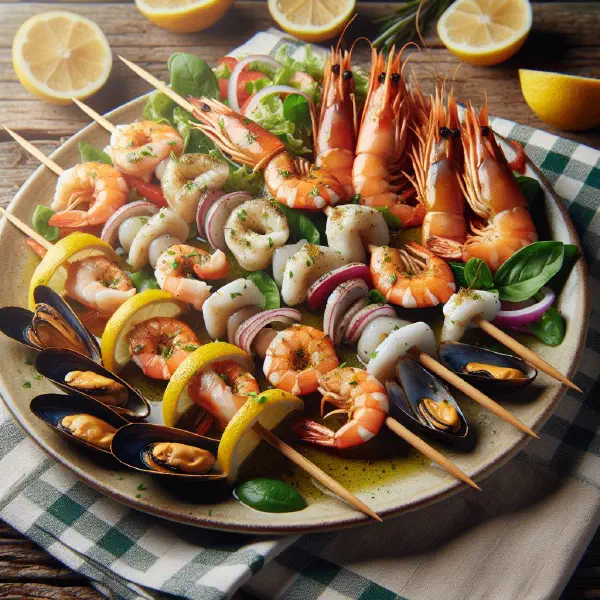
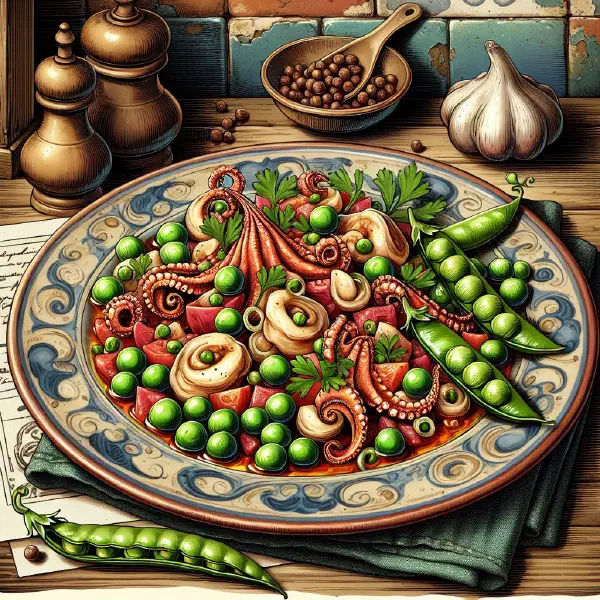
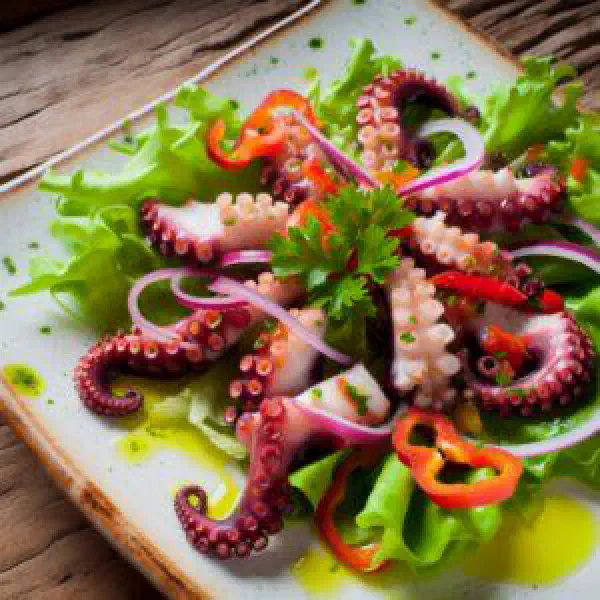
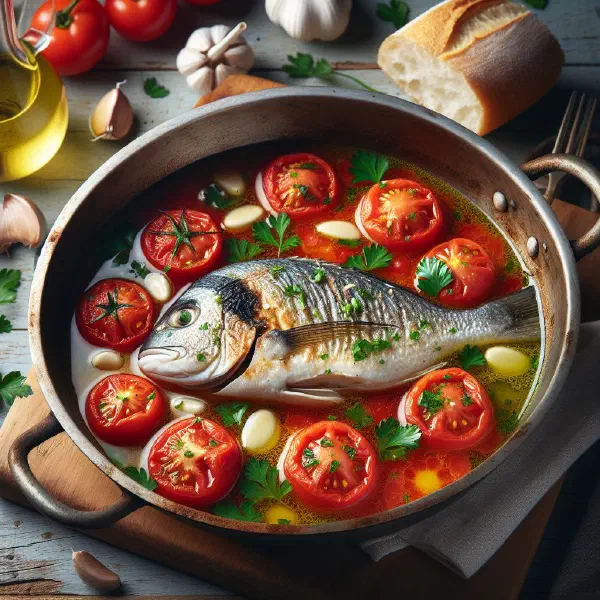
Meet Tegamaccio, a sun-soaked seafood stew from Italy’s coast where the day’s catch meets a fragrant tomato sauce. This generous one-pot dish brings together fish, prawns and mussels with seasonal vegetables, all gently simmered until tender. It is hearty, welcoming and full of the bright flavours of the Mediterranean, the kind of meal that turns a simple dinner into a proper celebration of the sea.
About Tegamaccio
Tegamaccio is a traditional Italian dish especially treasured along the country’s coastline. It brings together an array of fresh seafood with seasonal vegetables, all bound in an aromatic tomato sauce. This stew is packed with flavour and reflects the rich heritage of Mediterranean cooking. If you are after a dish that is both hearty and inviting, Tegamaccio is exactly what you are looking for.
Ingredients (serves 1–2)
- 300 g fresh fish (e.g. sea bream or tuna)
- 200 g prawns, peeled
- 100 g mussels
- 1 onion, diced
- 2 garlic cloves, chopped
- 1 red pepper, diced
- 1 courgette, diced
- 400 g passata (sieved tomatoes)
- Olive oil
- Salt and pepper, to taste
- Fresh basil, to garnish
Shopping for the ingredients
When shopping for Tegamaccio, choosing fresh seafood is essential to bring out the full flavour of the dish. Visit your local fishmonger or a supermarket with a good seafood counter. Look for fish and shellfish that appear lively and fresh, with a clean sea smell and firm flesh, the quality of your catch makes all the difference to the finished stew.
Preparing the dish
Preparing Tegamaccio involves a few simple steps that make sure all the ingredients come together nicely. First, wash the vegetables and cut them into even pieces so they cook uniformly. The seafood should be cleaned thoroughly, especially the mussels, to remove any sand and grit. Once everything is ready, you have a solid foundation for a delicious stew.
Step-by-step instructions
- Heat a little olive oil in a large pan and sauté the diced onion and garlic until golden.
- Add the diced pepper and courgette and cook for about 5 minutes.
- Pour in the passata and bring the mixture up to the boil.
- Add the seafood, stir everything well, then leave the dish to simmer over low heat for 15–20 minutes, until everything is cooked through.
- Season with salt and pepper, garnish with fresh basil and serve.
Gluten-free / lactose-free version
Tegamaccio is naturally gluten-free and lactose-free, as the main ingredients are fresh seafood and vegetables. Just make sure the passata you use contains no unwanted additives. This ensures the dish is suitable for anyone with the relevant intolerances. You can still adapt the recipe however you like without compromising the core components.
Tips for vegans and vegetarians
Despite its traditional preparation, Tegamaccio is easy to adapt for vegans and vegetarians. Swap the seafood for firm vegetables such as aubergine, or even tofu, to create a rich, satisfying texture. You might also add some hearty plant-based bread to give the dish an extra savoury note. Adaptations like these mean non-meat-eaters can enjoy this delicious stew too, much like a vegetable-forward Acquacotta.
More tips and tricks
A few tips and tricks can take your Tegamaccio to the next level. For instance, a few drops of lemon juice will intensify the flavour of the seafood. Remember to regulate the heat while cooking so the ingredients stay aromatic rather than turning mushy. You can also experiment with herbs such as thyme or oregano to layer in extra flavour.
Adapting the recipe to your taste
Adapting the Tegamaccio recipe to your own preferences is easy and good fun. Depending on which vegetables or seafood you can get hold of, feel free to get creative. You could use scampi or calamari in place of the mussels, for example. This flexibility lets you create a unique dish tailored exactly to your taste, in the same spirit as a generous Risotto ai Frutti di Mare.
Ingredient substitutions
If you do not have every ingredient for Tegamaccio to hand, there are plenty of alternatives. Instead of passata, you could use fresh tomatoes that you purée yourself. For a more intense sauce, tomato purée or vegetable stock can serve as a base.
Drink pairing ideas
To round off the Tegamaccio experience, several drinks pair beautifully with the dish. A chilled white wine, such as a Pinot Grigio or a Verdicchio, harmonises wonderfully with the flavours of the stew. For an alcohol-free option, sparkling mineral water or homemade lemonade are also excellent choices. These drinks not only underline the flavour but make the whole meal even more refreshing.
Serving and presentation ideas
Presentation can be key to impressing your guests with Tegamaccio. Serve the dish in a large, rustic bowl that plays up its Mediterranean charm. Garnishes of fresh herbs or citrus fruits such as lemons and limes make the dish visually appealing while adding an extra burst of flavour. A few slices of crusty bread on the side offer the perfect contrasting crunch.
A bit of history
Tegamaccio has its origins in the coastal regions of Italy, where fishermen prepared traditional stews with their freshest catch. Originally conceived as a simple meal for fishing families, it has long since grown into a much-loved classic on many restaurant menus. Its quick, straightforward preparation makes it especially prized in Italian home cooking, and it is often made with regional ingredients that underline the authenticity of the recipe, a hallmark of Italian cuisine.
More recipe ideas
Summary: Tegamaccio
Tegamaccio is more than just a dish; it is a tour that captures the flavour and spirit of Italy’s coast. With its hearty mix of seafood and vegetables in a fragrant tomato sauce, it is an absolute treat for the senses. Tegamaccio brings the warmth of the Mediterranean to any table. Let this Italian classic inspire you and give it a try, your taste buds will thank you.