National Dish Italy: Timballo di Maccheroni (Recipe)
In this article
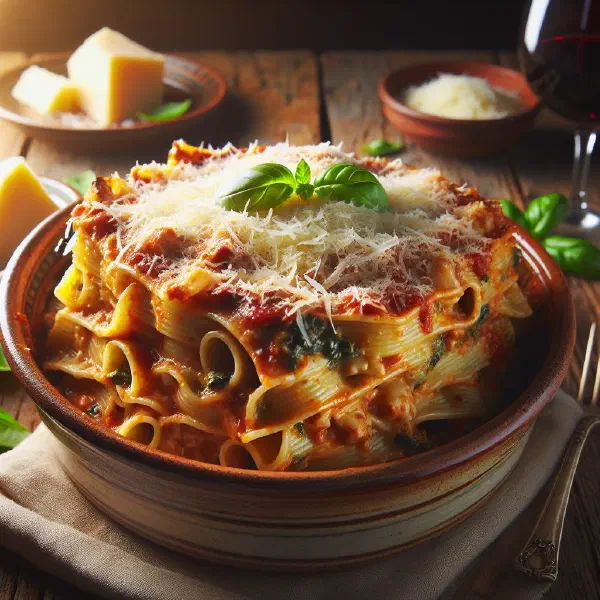
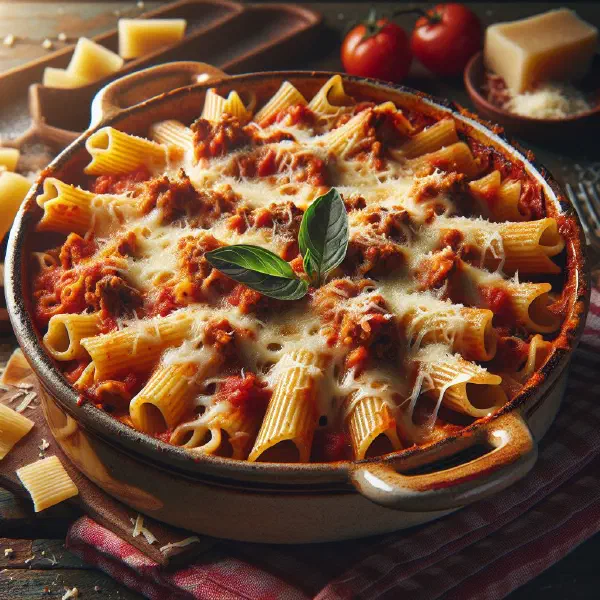
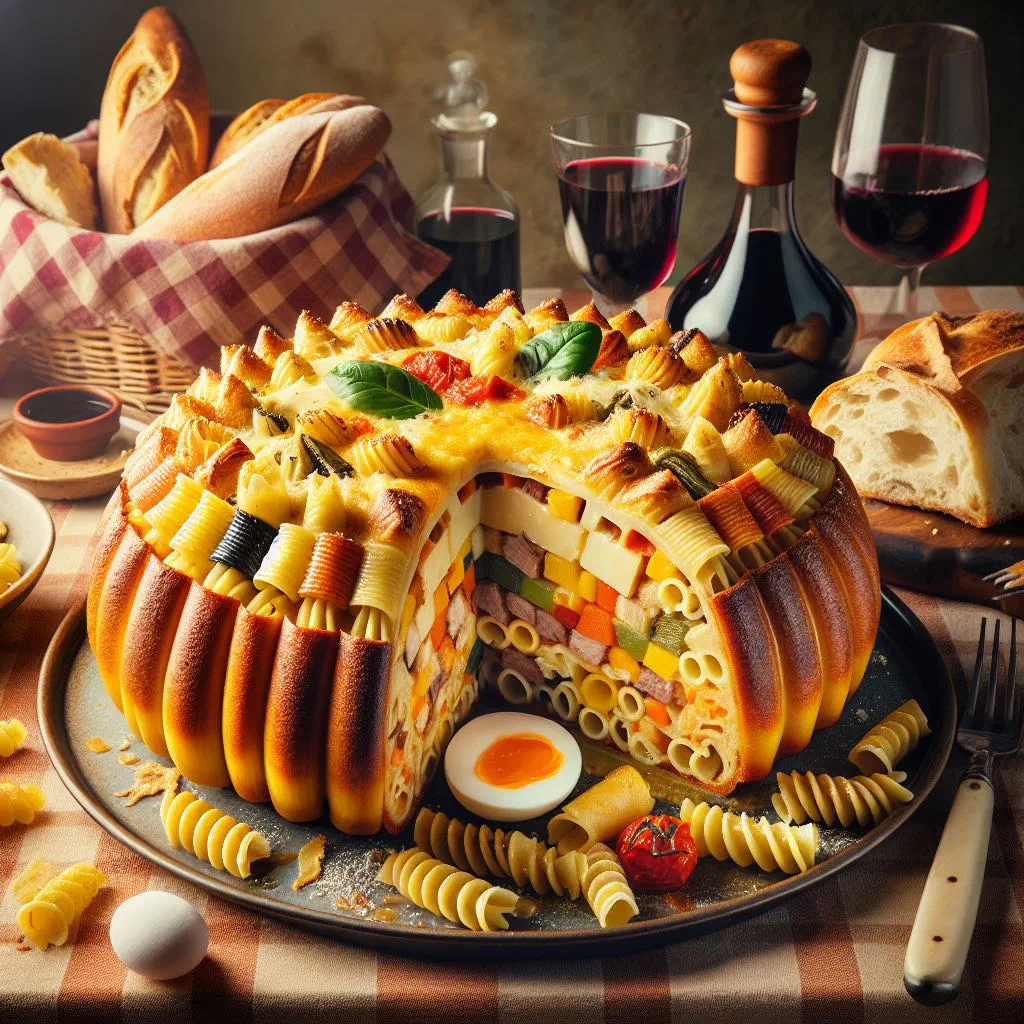
Few dishes capture the celebratory spirit of the Italian table quite like Timballo di Maccheroni. This grand baked pasta is built to impress: tender macaroni bound with minced meat, ham and a creamy egg custard, then baked until the top turns golden and crisp. It is the sort of centrepiece reserved for Sunday lunches and special gatherings, where a single dish brings everyone together around one generous bake. Rustic yet refined, it delivers a wonderful contrast of textures in every forkful.
About Timballo di Maccheroni
Timballo di Maccheroni is a traditional Italian dish that appeals to the palate as much as it pleases the eye. This hearty bake is often served on special occasions and brings a wealth of flavours and textures to the plate. The combination of pasta, meat, vegetables and a crisp crust makes it a true feast. Whether as a main course or the highlight of a buffet, Timballo di Maccheroni always makes an impressive arrival at the table.
Ingredients (serves 1–2)
- 200 g pasta (such as penne or ziti)
- 150 g minced meat (beef or a mixed blend)
- 100 g cooked ham, diced
- 1 small onion, finely chopped
- 1 carrot, grated
- 2 eggs
- 100 ml double cream
- 50 g grated Parmesan
- 2 tablespoons olive oil
- Salt and pepper to taste
- Butter, for the dish
Shopping for the ingredients
When shopping for Timballo di Maccheroni, it pays to look for freshness and quality. Visit a local market or a wholefood shop to find the best vegetables and meat. Make sure the eggs are fresh, as they give the dish its lovely airy texture. The choice of cheese matters too, a good Parmesan or pecorino can shift the flavour considerably, much as it does in a classic Tonnarelli Cacio e Pepe.
Preparing the dish
Preparing Timballo di Maccheroni is straightforward, though it does take a little time. First, cook the pasta al dente, as it will carry on cooking in the oven. While the pasta simmers, reach for a frying pan and soften the onions in olive oil until translucent. Then add the minced meat and the carrot, browning everything well before you bring the remaining ingredients together.
Step-by-step instructions
- Preheat the oven to 180 °C.
- Cook the pasta al dente and drain.
- Sauté the onion in olive oil in a frying pan.
- Add the minced meat and carrot, and brown well.
- In a bowl, whisk together the eggs, cream and Parmesan.
- Combine the pasta, the meat mixture and the egg mixture.
- Butter a baking dish and spoon in the mixture.
- Bake for 40 minutes, until the top is golden brown.
Gluten-free / lactose-free version
The recipe for Timballo di Maccheroni is easy to adapt to make it gluten-free. Use gluten-free pasta and check that all the other ingredients are free from gluten too. For a lactose-free version, choose lactose-free cream and cheese alternatives. That way, people with food intolerances can enjoy this Italian dish without compromise.
Tips for vegans and vegetarians
For a vegan version of Timballo di Maccheroni, replace the meat with roasted vegetables or lentils. To stand in for the eggs, use a mixture of flaxseed and water, or simply purée some tofu. A vegan cheese alternative keeps the dish tasting deliciously rich, while vegan olive oil adds an extra Mediterranean note throughout.
More tips and tricks
To make Timballo di Maccheroni even tastier, you can add a range of herbs and spices. Basil, oregano or a hint of nutmeg lend the dish a special character. Be sure to mix the pasta thoroughly with the filling so that every bite offers the same burst of flavour. Preparing it the day before and reheating it in the oven can also deepen the aromas.
Adapting the recipe to your taste
Timballo di Maccheroni is a wonderfully adaptable dish that is easily modified to suit individual tastes. Add ingredients such as mushrooms, spinach or even artichokes to give it more variety. You can also use different cheeses to change up the flavour. Experiment with various combinations to create your own favourite version, in the same spirit as a homely Pasta al Forno.
Ingredient substitutions
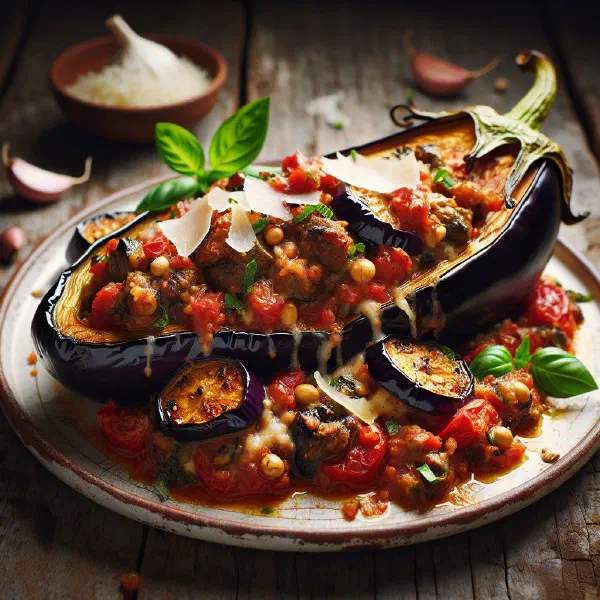
If you do not have every ingredient to hand, there are plenty of alternatives you can use in your timballo. Instead of minced meat, try vegan mince or smoked tofu. There are no limits when it comes to the vegetables either, give courgette, aubergine or broccoli a go. A little creativity goes a long way towards an one-of-a-kind dish.
Drink pairing ideas
A delicious Timballo di Maccheroni pairs beautifully with a light red wine such as Chianti, or with a crisp white. A refreshing sparkling water with lemon also complements the flavours of the dish wonderfully. For an alcohol-free option, you might serve a homemade lemon or basil iced tea.
Serving and presentation ideas
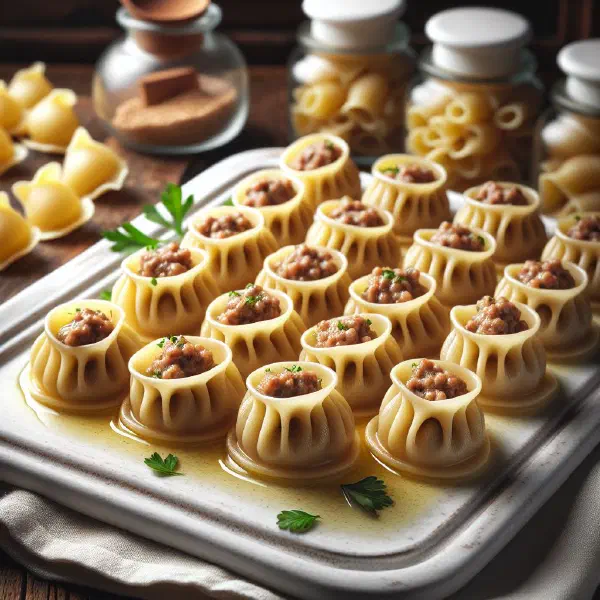
A dish like Timballo di Maccheroni deserves careful presentation. Serve it straight from the baking dish, decorated with fresh herbs such as basil or parsley. Alternatively, plate it up in individual portions on attractive dishes. A zesty salad and a few slices of bread alongside lend the whole meal an inviting atmosphere, much like the spread you would build around a Ragù alla Bolognese.
A bit of history
Timballo di Maccheroni has a history in Italian cooking. Originally from the south of Italy, it became a feast-day dish that brought families together. It reflects the abundance of ingredients and the versatility of Italian cuisine. Over the years the timballo has evolved, showing how regional produce shapes the recipe and giving it pride of place within wider Italian cuisine.
More recipe ideas
Summary: Timballo di Maccheroni
Timballo di Maccheroni is a hearty, filled pasta bake that gathers the flavours of Italy into one fantastic eating experience. With its rustic crust and its delicious filling, it is the ideal companion for any celebration or a cosy family meal. This dish brings joy and indulgence to the table. Let it inspire you, and discover the versatility of this Italian classic.