National Dish Italy: Trippa alla Romana (Recipe)
In this article
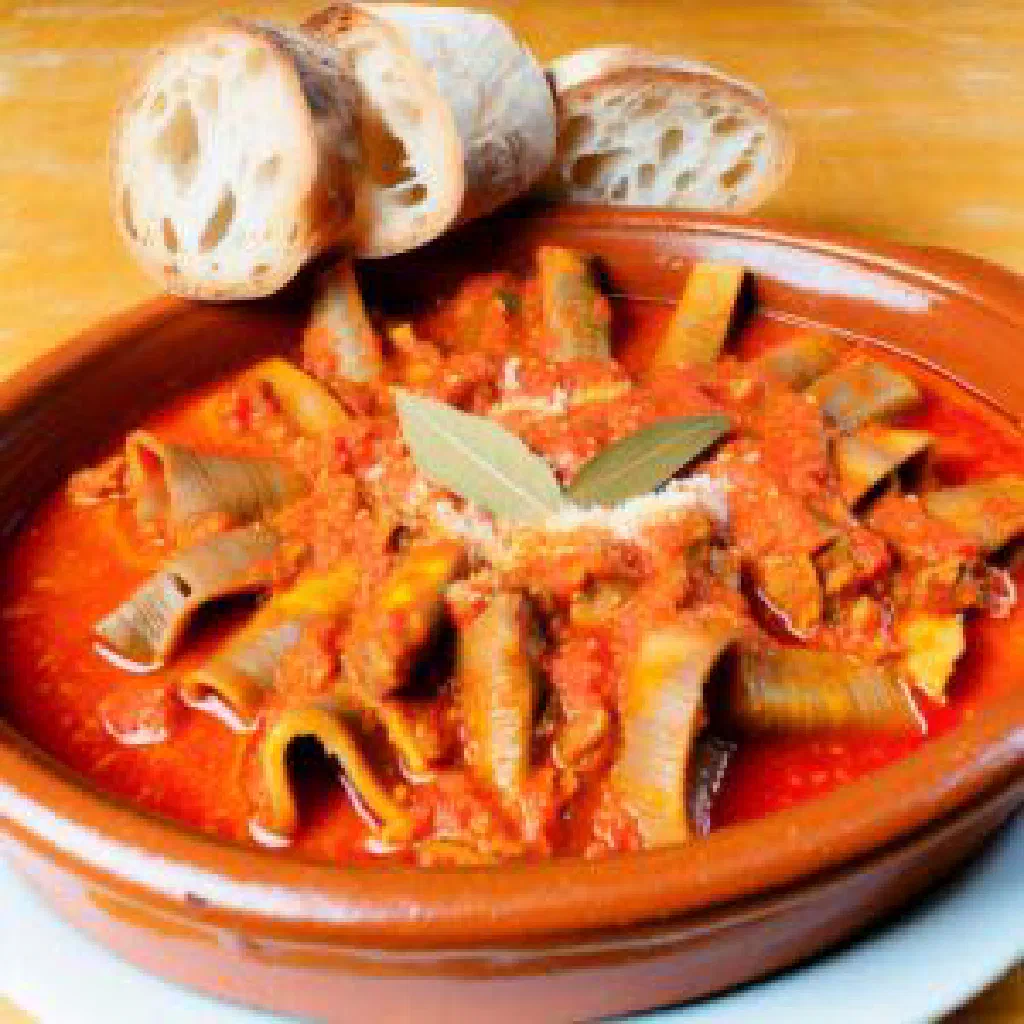
Few dishes capture the soul of Rome quite like Trippa alla Romana. Tender strips of tripe are coaxed into softness over a long, gentle simmer, then folded into a fragrant tomato sauce laced with garlic, sweet vegetables and a flourish of fresh mint. A snowfall of sharp Pecorino Romano finishes the plate. This is honest, hearty cooking from the heart of the Eternal City, rustic, deeply flavoured and utterly satisfying for anyone who loves the real Roman kitchen.
About Trippa alla Romana
Trippa alla Romana is a true heritage dish from Rome, beloved for its bold character and its unmistakable connection to the city’s culinary roots. At its core lie tender tripe strips, braised for hours until meltingly soft, then simmered in an aromatic tomato sauce built on a classic soffritto of onion, carrot and celery. Fresh mint lends it the bright, herbal note that Romans treasure, while a generous handful of Pecorino Romano rounds everything off. It is comfort food at its most authentic, a dish that tastes of tradition with every forkful.
Ingredients (serves 1–2)
- 300 g tripe (pre-cooked and cut into strips)
- 200 g passata (or good-quality tinned tomatoes)
- 1 onion
- 2 cloves of garlic
- 50 g grated Pecorino Romano
- 2 tablespoons olive oil
- 1 carrot
- 1 stick of celery
- 1 bay leaf
- A small handful of fresh mint leaves
- Fresh parsley, to garnish
- Salt and pepper, to taste
Shopping for the ingredients
For an authentic Trippa alla Romana, quality really does matter. The best tripe comes from a good butcher or a market stall, ideally already pre-cooked, which saves both time and effort. Choose ripe Italian tomatoes (passata or whole) and seek out genuine Pecorino Romano made from sheep’s milk for that proper salty tang. Fresh mint is non-negotiable here; it is the herb that gives the dish its distinctive Roman accent.
Preparing the dish
Begin by finely dicing the onion, carrot and celery. This is the classic soffritto base that underpins so much of Italian cooking. Chop the garlic, then wash the mint leaves and roughly tear them (these go in right at the end). Give the pre-cooked tripe a final rinse under cold water and cut it into bite-sized strips if needed. With everything prepped and within reach, the cooking itself comes together quickly.
Step-by-step instructions
- Heat the olive oil in a large pan. Soften the onion, carrot and celery for 5–6 minutes until translucent.
- Add the garlic and cook for 1–2 minutes until fragrant, taking care not to let it brown.
- Tip in the tripe and let it sauté briefly with the vegetables.
- Stir in the passata and the bay leaf. Season with salt and pepper, then simmer gently over a low heat for 30–40 minutes until the sauce has thickened nicely.
- Fold through the fresh mint leaves and let them steep for a further 2 minutes.
- Take off the heat, scatter over a generous amount of Pecorino Romano and garnish with parsley.
Gluten-free / lactose-free version
This recipe is naturally gluten-free, making it an easy choice for anyone avoiding gluten. For a lactose-free version, simply leave out the Pecorino Romano or swap it for a lactose-free hard cheese. Either way, the dish keeps its unmistakably Roman flavour and loses none of its rustic charm.
Tips for vegans and vegetarians
Trippa alla Romana is a classic tripe dish and therefore neither vegan nor vegetarian. Tripe is tripe, seitan, jackfruit or mince substitutes simply will not make it the same dish. There are, of course, many wonderful plant-based recipes in the Italian repertoire, such as the cheesy Tonnarelli Cacio e Pepe or crisp Carciofi Fritti, but for the genuine article we stay faithful to the traditional ingredients.
More tips and tricks
Let the sauce simmer slowly and patiently. This is what makes all the difference. Add the mint only at the very end so it keeps its fresh, lively aroma. If you like a little heat, drop in a dried chilli to cook along with the sauce. Taste once more before serving and never be shy with the extra Pecorino. That is how it tastes in Rome.
Adapting the recipe to your taste
Classic Trippa alla Romana thrives on its simplicity. If you prefer a bit of warmth, scatter in some chilli flakes. A small splash of red wine in the sauce makes it even rounder and richer. You can also dial the amount of mint up or down to suit yourself, some Romans are famously generous with it.
Ingredient substitutions
A good Parmesan stands in well for Pecorino Romano if needed. For the sauce, you can use whole tinned tomatoes and simply crush them with a fork. No fresh mint to hand? Leave it out and the dish will still be delicious, even if it loses a touch of that signature Roman character. These small swaps are common across Italian cuisine, where cooks adapt to what the season and the larder offer.
Drink pairing ideas
A robust red wine is the perfect partner: think Chianti Classico, Montepulciano d’Abruzzo or a hearty wine from Lazio. If you would rather skip the alcohol, a chilled sparkling water with a squeeze of lemon works beautifully, as does a good Italian herbal tea.
Serving and presentation ideas
Serve the trippa in deep bowls or rustic dishes. Crown it with plenty of Pecorino and a scattering of fresh parsley and mint. Add some fresh ciabatta or pane casereccio on the side for mopping up the sauce, much like you would alongside Polpette al Sugo, and you have a proper Roman feast.
A bit of history
Trippa alla Romana has been part of Rome’s working-class kitchen for centuries. Once an inexpensive meal made from the quinto quarto (the “fifth quarter” of the animal), it is today a cherished delicacy. It stands for true Roman cucina povera, the art of conjuring great flavour from humble ingredients, a thrifty spirit it shares with old-school dishes like Gnocchi alla Romana.
More recipe ideas
Summary: Trippa alla Romana
Trippa alla Romana is genuine Roman soul food, tender, savoury and entirely its own. With this recipe you can bring a little piece of Rome straight to your table. Give it a go and savour the real tradition, made exactly as it should be.