National Dish Ivory Coast: Aloko (Recipe)
In this article
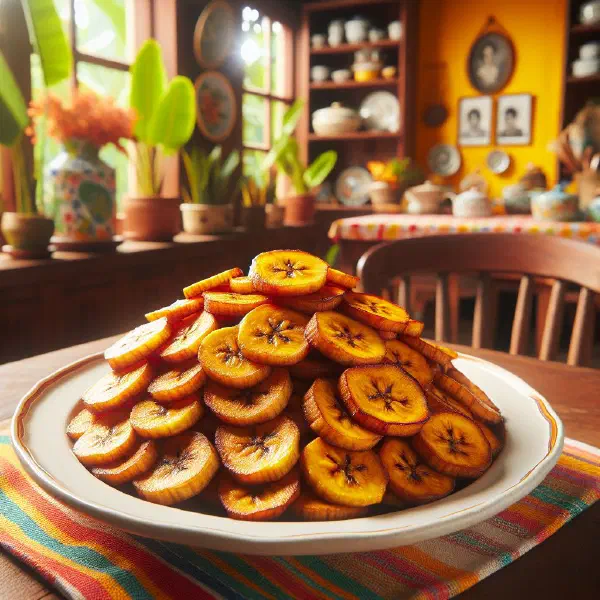
Meet Aloko, the golden fried plantain snack that perfumes every street corner in Abidjan. Ripe plantains are sliced, dropped into hot oil and fried until the edges caramelise, giving you crisp outsides and a soft, honey-sweet middle. A spoonful of fiery tomato sauce on the side turns a handful of fruit into one of West Africa’s most addictive bites, and it takes barely fifteen minutes from start to finish.
About Aloko
Aloko is a traditional dish from the Ivory Coast that owes everything to the quality of its ripe plantains. The slices are fried in hot oil until deep golden, which gives them a crisp texture while concentrating their natural sweetness. Aloko is usually served with a spicy tomato sauce that lends the plate an extra layer of depth. Eaten as a snack or as a side, it is delicious and one of the simplest ways to taste a piece of African food culture.
Ingredients (serves 1–2)
- 2 ripe plantains
- 500 ml vegetable oil, for frying
- Salt to taste
- Optional: spicy tomato sauce
Shopping for the ingredients
To make aloko you need fresh, ripe plantains, which are widely available in African and Caribbean grocers as well as many larger supermarkets. Look for skins that have already turned partly black, a reliable sign that the fruit is sweet and full of flavour. Buy plenty of vegetable oil so the slices have room to fry properly, and pick up a good spicy tomato sauce if you want to serve the dish the way it is eaten across Ivorian cuisine.
Preparing the dish
Before you start cooking, make sure every ingredient is ready to hand. Trim both ends of the ripe plantains and carefully peel away the thick skin. Then cut the fruit into slices of roughly 1 cm, either straight rounds or the classic diagonal cut. This preparation matters more than it sounds: even slices cook at the same rate and come out uniformly golden.
Step-by-step instructions
- Heat the vegetable oil in a deep pan or fryer over medium heat.
- Carefully lower the sliced plantains into the hot oil and fry until golden brown.
- Lift the slices out with a slotted spoon and drain them on kitchen paper.
- Season the freshly fried plantains with salt to taste.
- Serve the aloko warm with the spicy tomato sauce.
Gluten-free / lactose-free version
Aloko is naturally gluten-free and lactose-free, since it consists of nothing more than plantains and vegetable oil. That makes it an ideal choice for anyone with a corresponding intolerance, and you can enjoy it without a second thought. Using fresh ingredients throughout means there are no hidden sources of gluten or dairy, the same reassurance you get from a dish such as Bananes Plantains Frites.
Tips for vegans and vegetarians
Aloko is an excellent dish for vegans and vegetarians alike, being both nourishing and genuinely easy to prepare. It contains no animal products at all and offers a good source of energy and nutrients. Just make sure you fry in a plant-based oil so the whole plate stays vegan. You can also vary the recipe freely by adding plant-based sides such as salads or grilled vegetables.
More tips and tricks
For the best results, let the plantains ripen fully before you cook them. That is what creates the perfect balance between sweetness and texture. Experiment with different frying oils, such as groundnut oil, to give the dish an extra layer of aroma. Fry in small batches rather than crowding the pan, which keeps the oil hot, ensures an even golden colour and stops the slices turning soggy.
Adapting the recipe to your taste
Aloko is easy to tailor to personal preference. For a hotter version, stir extra chilli or additional spices into the tomato sauce. You can also try different dips, from an avocado cream to a cooling yoghurt sauce. Adaptations like these make the dish far more exciting and let you match it to almost any palate, much as cooks do with Klaclo, the sweeter plantain fritter.
Ingredient substitutions
If ripe plantains are hard to find, look for the varieties used in Asian and Latin American cooking, which behave much the same way in the pan. Instead of a shop-bought sauce, make your own from fresh tomatoes, onions and spices, the flavour difference is striking. These alternatives add variety and intensify the freshness of the finished plate. Experiment with different preparations to discover new combinations.
Drink pairing ideas
Plenty of drinks suit aloko and underline its flavours. A refreshing malt beer or a fruity tropical mocktail works beautifully against the sweetness of the plantains, while a hibiscus infusion such as Bissap brings a tart edge that cuts through the frying oil. A simple green tea offers a pleasant bitter contrast too. Try a few pairings to find the one that turns the meal into an occasion.
Serving and presentation ideas
To serve aloko attractively, pile the fried slices onto a handsome plate and set a small bowl of spicy tomato sauce beside them. Garnish with fresh herbs such as coriander or parsley for a splash of colour. Brightly patterned crockery draws the eye and suits the food perfectly. With a little creative plating, even a dish as simple as aloko becomes a culinary highlight.
A bit of history
Aloko has deep roots in traditional West African cooking and is popular well beyond the borders of a single country. In the Ivory Coast it is above all a street food, sold hot from roadside pans and eaten on the spot. Cooking with plantains is a way of honouring local agriculture and celebrating the rich culture of the region. Aloko is more than a dish; it is part of the social and culinary identity of Ivorian life.
More recipe ideas
Summary: Aloko
Aloko is a wonderful dish from the Ivory Coast that wins people over through its simplicity and its unmistakable flavour. The fried plantains are a treat in themselves, and they leave endless room for variation and personal tweaks. Give the recipe a go and let African cooking inspire you.