National Dish Ivory Coast: Foufou Banane (Recipe)
In this article
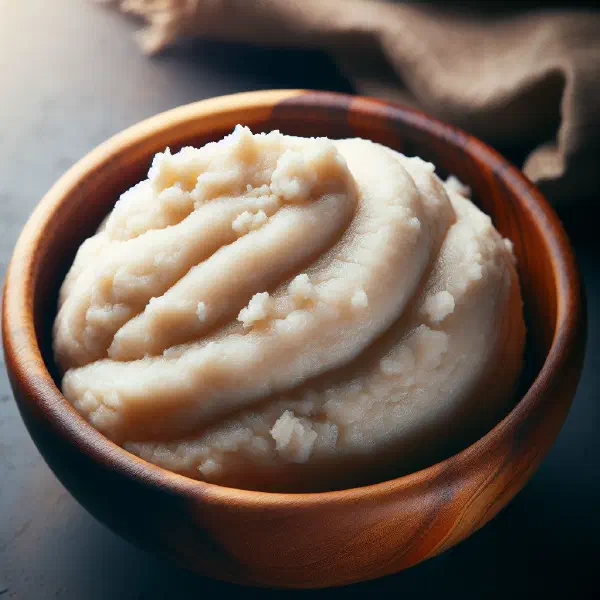
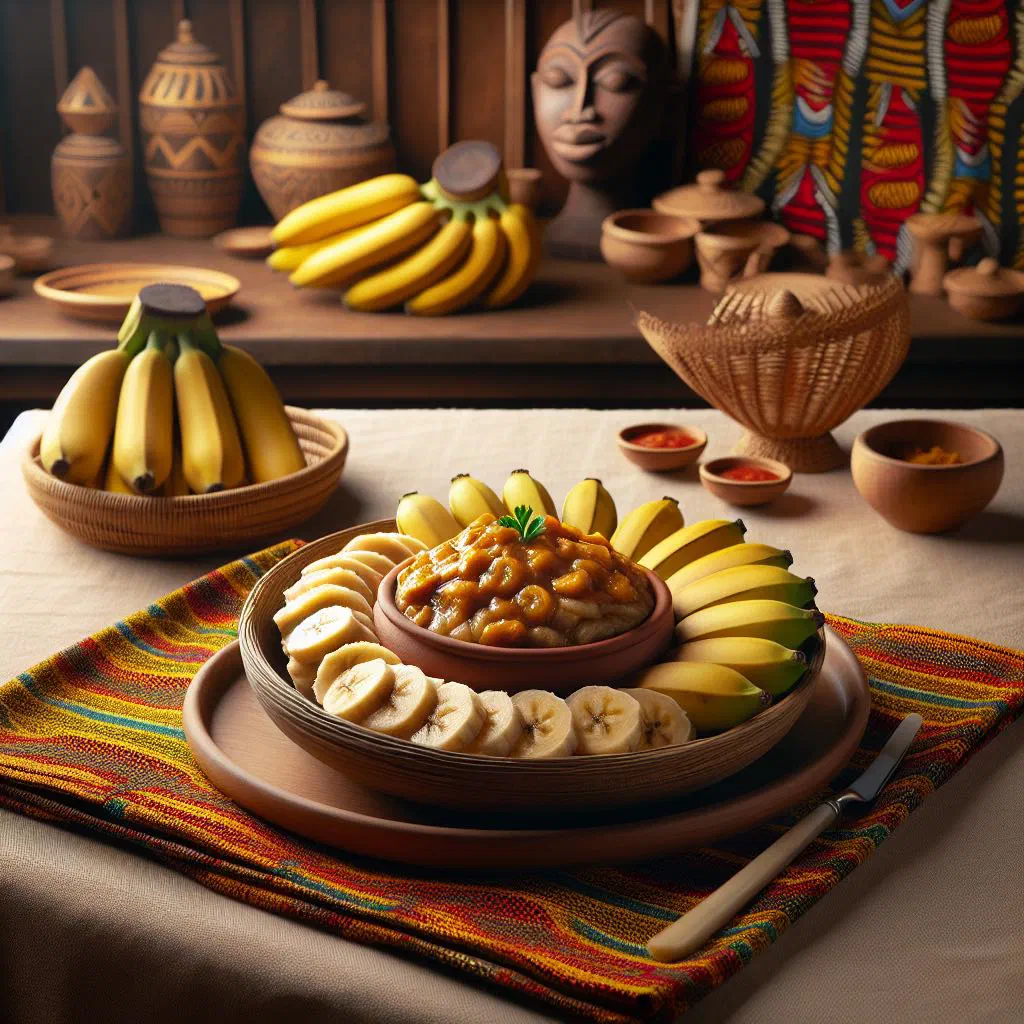
Meet Foufou Banane, the soft, silky banana mash that sits at the heart of Ivorian home cooking. Ripe bananas are simmered and pounded into a smooth, comforting paste that soaks up sauces and stews beautifully. It takes barely a handful of ingredients, yet the result feels generous and celebratory, the kind of dish that lands in the middle of the table and brings everyone to it. With a few simple steps you can bring a taste of West Africa into your own kitchen.
About Foufou Banane
Foufou Banane is a traditional national dish of the Ivory Coast, known both for its savoury depth and for how well it partners with almost anything else on the table. Fresh bananas are the main ingredient, worked down to a creamy, cohesive paste. The dish is most often served as an accompaniment to sauces and stews, whose flavours the mild foufou carries perfectly. Its popularity has made it a fixture of Ivorian culture, appearing at festive occasions and at everyday family meals alike.
Ingredients (serves 1–2)
- 3–4 ripe bananas
- 1 pinch of salt
- Water, as needed
- Optional to serve: a braised fish or meat sauce
Shopping for the ingredients
When shopping for foufou banane, the most important thing is to choose ripe bananas, since they determine both the flavour and the texture of the finished dish. Look for fruit without brown patches, as these are a sign the bananas are past their best. Organic bananas are worth seeking out if you can find them, to avoid pesticide and chemical residues. The remaining ingredients, salt and water, are almost certainly already in your kitchen, so the shopping list stays refreshingly short.
Preparing the dish
Preparation for foufou banane is refreshingly straightforward. Start by peeling the bananas and cutting them into small pieces so they break down more easily. It helps to dip the pieces briefly into boiling water, which loosens the starch chains and gives you a better final texture. Once that is done, the bananas are ready to be worked in a blender or crushed by hand with a potato masher.
Step-by-step instructions
- Peel the ripe bananas and cut them into small pieces.
- Put the banana pieces in a pan with a splash of water and work them into a smooth purée.
- Add a pinch of salt and cook the mixture over medium heat until it reaches a thick consistency.
- Stir continuously to stop it catching on the base, and cook for around 10 minutes.
- Transfer the mixture to a bowl and let it cool a little before serving with a sauce or stew.
Gluten-free / lactose-free version
Foufou banane is naturally gluten-free and lactose-free, which makes it an excellent choice for anyone with particular dietary needs. Because bananas do all the work, there is no risk of gluten-containing ingredients sneaking in. Just take care with what you serve alongside it, avoiding sauces that contain gluten or dairy, and the whole plate stays free of both.
Tips for vegans and vegetarians
Foufou banane is a natural fit for vegans and vegetarians, since it contains no animal products at all. To make the meal more interesting, serve it with a range of plant-based sauces. Most classic stews and sauces can be adapted easily by swapping in vegetable ingredients, a Sauce d’Arachide made without meat is a good place to start. Think about who you are cooking for and prepare a vegan sauce that is as nourishing as it is flavourful.
More tips and tricks
For the best foufou banane, choose your bananas right before you cook so you capture their freshness and aroma at their peak. A small pinch of cinnamon or nutmeg can lend the dish an unexpected warmth. Experiment with different spice blends and accompaniments to shape the dish around your own palate. Season any vegetable sauces generously, as they carry much of the flavour of the finished plate.
Adapting the recipe to your taste
Adjusting the recipe to suit your own preferences is the key to getting it right. Or pair the bananas with different sides, the choice is entirely yours. It is also worth trying different varieties of banana to discover new flavours, the same fruit shines in a very different way in Aloko de Bananes.
Ingredient substitutions
If bananas are not available, or simply not to your taste, there are some interesting alternatives. Sweet potatoes make an excellent base for a similar dish. Other starchy staples such as yam or plantains work well too, as they do in Foutou d’Igname. Which one you reach for depends on what is in season and what you fancy on the day.
Drink pairing ideas
Plenty of drinks suit foufou banane. Freshly squeezed lemon juice or coconut water sits beautifully alongside the mild flavours of the dish. Alternatively, non-alcoholic West African favourites such as Bissap hibiscus tea or a fiery ginger beer make a refreshing partner. Cold, sweet fruit juices work well too and round the whole meal off nicely.
Serving and presentation ideas
Thoughtful presentation can lift the eating experience considerably. Serve foufou banane in an attractive bowl and garnish it with a few fresh herbs or a dusting of paprika. Use contrasting colours to make the plate look as good as it tastes. How you arrange the sauces and side dishes matters too, a little care here creates a genuinely inviting spread.
A bit of history
Foufou banane has a long history in Ivorian cooking and is regarded as a cornerstone of the local food culture. The dish is traditionally handed down from one generation to the next, and the method has changed remarkably little over time. It reflects the culinary variety and the regional influences that shape Ivorian cuisine, where different ingredients and cooking techniques meet. Foufou banane is not merely a dish but a symbol of the communal way of eating that Ivorians hold dear.
More recipe ideas
Summary: Foufou Banane
Foufou banane is a delicious and nourishing dish that brings the flavours of the Ivory Coast straight into your kitchen. It is simple to make, wholesome, and equally suited to vegans and vegetarians. Try out the tips above and shape the recipe around your own preferences. Enjoy the culinary experience this traditional dish offers, and take pleasure in the wonderful variety of West African cooking.