National Dish Ivory Coast: Gari (Recipe)
In this article
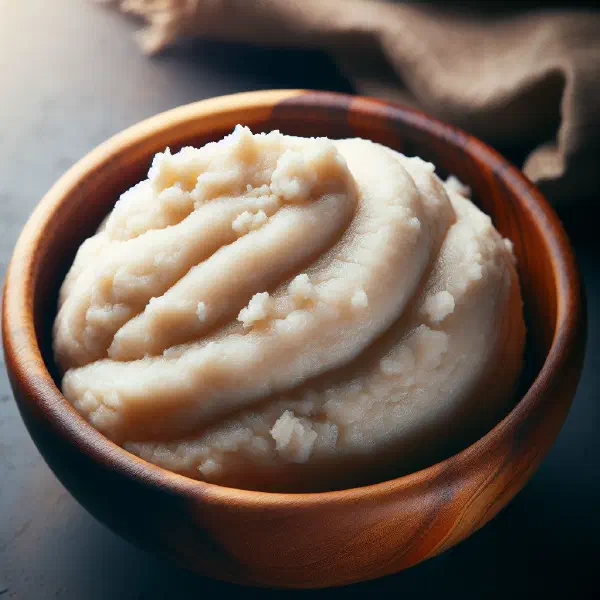
Discover Gari, a West African staple that turns humble cassava into something quietly brilliant. Grated, fermented and dried into golden grains, it swells in moments into a light, tangy base that carries almost anything you put with it. In the Ivory Coast it appears as a cooling salad on a hot afternoon and as a sturdy partner to a rich stew at supper, versatile, thrifty and full of character. Bring a taste of African cooking into your own kitchen.
About Gari
Gari is far more than a culinary highlight; it is a piece of the Ivory Coast’s traditional culture. Made from grated and fermented cassava, it is cherished across many African countries and has become one of the region’s true kitchen workhorses. The dish is straightforward to prepare and remarkably adaptable. Whether it accompanies a spiced stew or forms the backbone of a refreshing salad, gari answers a great many culinary wishes.
Ingredients (serves 1–2)
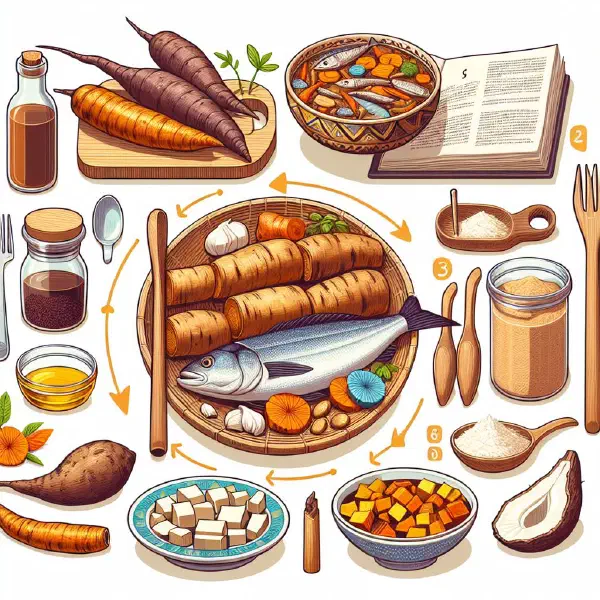
- 250 g gari
- 500 ml water
- 1 tomato, diced
- 1/2 cucumber, diced
- 1 onion, finely chopped
- 2 tablespoons palm oil (or to taste)
- Salt and pepper to taste
- Optional: vegetables or meat of your choice
Shopping for the ingredients
When shopping for gari, quality is what makes the difference. Fresh cassava is decisive for the flavour of the dish, though most cooks sensibly buy the grains ready-made. Many international supermarkets and specialist African grocers stock pre-processed gari in a range of grinds, from fine to coarse. Choose your vegetables and remaining ingredients with the same care, fresh, firm produce guarantees the best possible eating experience.
Preparing the dish
Preparing gari is simple and takes very little time. So that the flavours come through properly, it pays to have everything ready before you start cooking. Chop the vegetables into small pieces and lay them out so the process runs smoothly from beginning to end. If you plan to serve gari as an accompaniment to a stew, something like a hearty Sauce Graine, prepare the stew in advance so both components are ready at the same moment.
Step-by-step instructions
- Bring the water to the boil in a saucepan.
- Stir the gari slowly into the boiling water, stirring constantly.
- Cover the pan and let the mixture swell over low heat for about 10 minutes.
- In a bowl, combine the prepared vegetables (tomato, cucumber, onion) with the gari.
- Optional: add the palm oil and any further ingredients, then mix thoroughly.
- Season with salt and pepper and serve warm.
Gluten-free / lactose-free version
Gari is naturally gluten-free and lactose-free, which makes it an ideal choice for anyone with an intolerance. What matters is keeping an eye on the other ingredients, particularly if you are using palm oil or meat. Check that these carry no hidden gluten or lactose from processing. As a rule, gari slots into common diets without any trouble at all.
Tips for vegans and vegetarians
For vegans and vegetarians, gari offers an excellent base for experimenting with plant-based ingredients. In place of meat you might add tofu or tempeh to boost the protein content. You can also lift the dish with a range of spices and fresh herbs to build extra depth of flavour. Vary the recipe with whatever vegetables are in season for the best results.
More tips and tricks
To make gari more varied still, try it with different accompaniments. Pair it with a good sauce or with side dishes such as spiced dips to create new flavour combinations, Gombo Sauce Tomate is a fine place to start. Another way to refine the dish is with toasted nuts or seeds, which add welcome crunch against the soft grains. Do not hesitate to experiment with aromas and textures until you have created your own personal gari experience.
Adapting the recipe to your taste
Everyone has different preferences when it comes to flavour and texture, and gari is easily adjusted to suit. Add more or less water depending on whether you want the finished result light and loose or firm and dense. The ratio of vegetables to gari can be varied in the same way, letting you tune the dish towards a fresher salad or a more substantial side according to the appetite at the table.
Ingredient substitutions
If you do not have every ingredient to hand, several can be swapped without loss. Olive oil can stand in for palm oil, for instance, bringing a slightly different note to the finished dish. The vegetables can equally be adapted to whatever is available. Simply see what your kitchen has to offer and experiment freely.
Drink pairing ideas
To round out the experience, certain drinks pair beautifully with gari. Fresh juices such as mango or pineapple provide a refreshing contrast to the savoury grains, and a tart Bissap does the same job with real elegance. Herbal and flower teas are another excellent choice, lending the meal a calmer note. Experiment with different combinations to find a harmonious match.
Serving and presentation ideas
Presentation can raise the enjoyment of a dish considerably. Serve gari in colourful bowls and garnish it with fresh vegetables or herbs to please the eye as well as the palate. A small spoonful of sauce or a scattering of nuts over the top makes the plate more appealing still. Present your creation with a little style and the whole meal feels more of an occasion.
A bit of history
Gari has deeply rooted, tradition-rich origins in African culture. It was developed by the peoples of the Ivory Coast and neighbouring regions and has become a staple food over the course of centuries. The fermentation of the cassava did not only extend its shelf life; it also gave rise to the distinctive sour tang that defines the grains today. Gari is now appreciated worldwide in countless variations and is one of the clearest expressions of Ivorian cuisine.
More recipe ideas
Summary: Gari
Gari is a versatile and flavourful dish from the Ivory Coast that unites tradition with modern enjoyment. With a handful of simple ingredients it can be prepared in minutes and taken in countless directions. Gari promises a tour to West Africa. Explore the possibilities and bring this African highlight into your own kitchen.