National Dish Ivory Coast: Gâteau de Manioc (Recipe)
In this article
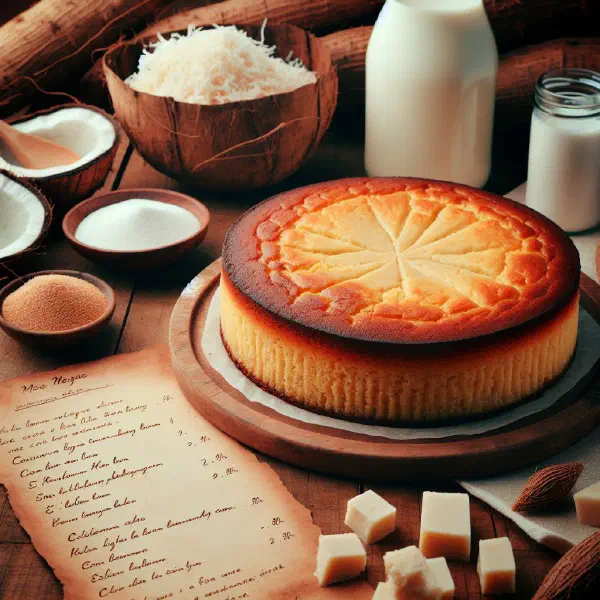
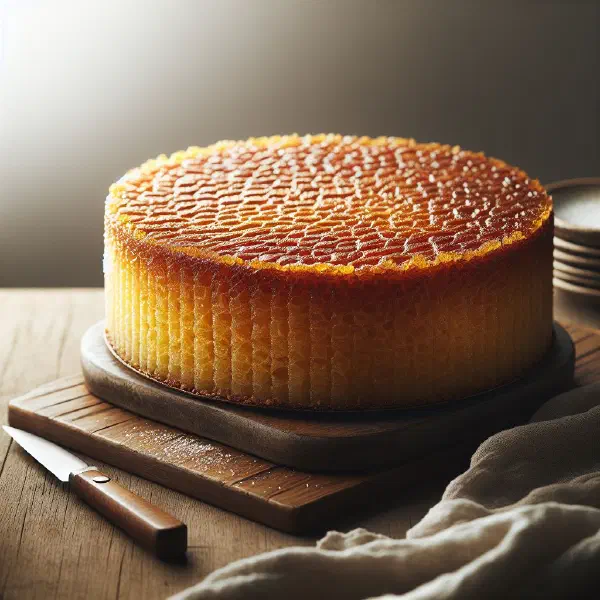
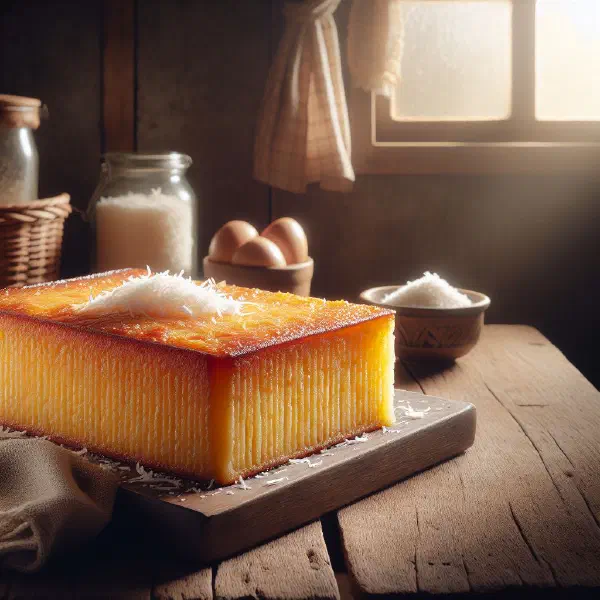
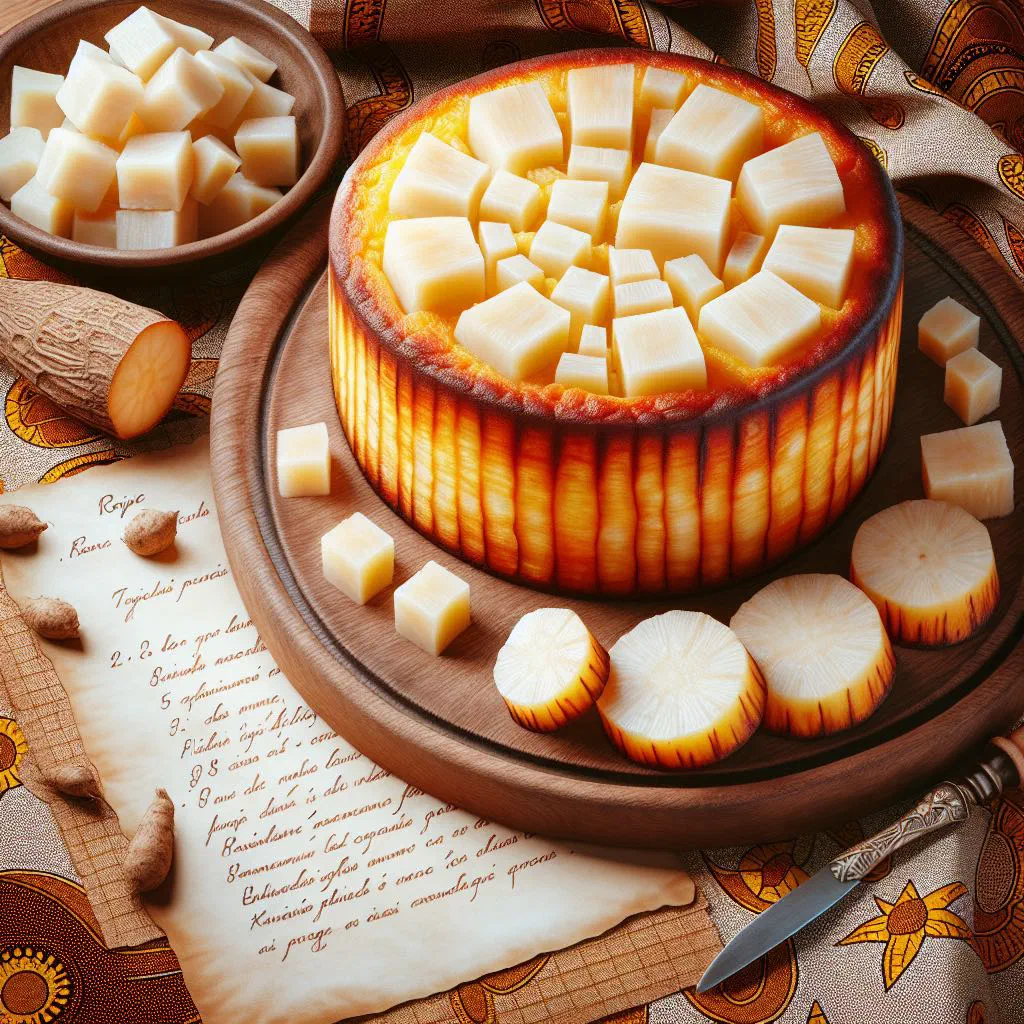
Meet Gâteau de Manioc, the moist cassava cake that West Africa bakes for celebrations and quiet afternoons alike. Rich with coconut milk and gently perfumed with vanilla, it has a dense, almost custardy crumb that sets it apart from any European sponge. The ingredient list is short and the method forgiving, yet every slice carries the warmth of Ivorian home cooking. Bake it once and it will earn a permanent place in your repertoire.
About Gâteau de Manioc
The Gâteau de Manioc is far more than a dessert; it is a genuine piece of Ivorian culture. This moist cake made from cassava is hugely popular across the Ivory Coast and wins people over with its unusual texture and unmistakable flavour. The preparation brings together simple ingredients that nonetheless produce a rich and delicate aroma. Every bite carries the essence of the local kitchen and tells stories of tradition and community.
Ingredients (serves 1–2)
- 250 g fresh cassava
- 100 g sugar
- 2 eggs
- 100 ml coconut milk
- 1 teaspoon vanilla extract
- A pinch of salt
- Butter, for greasing the tin
Shopping for the ingredients
To make an authentic Gâteau de Manioc, it is important to use good-quality ingredients. Fresh cassava is available in many Asian and African grocery shops, often sold whole and waxed to keep it fresh. When choosing your coconut milk, go for an organic version to get the best flavour. The remaining ingredients, such as eggs and sugar, can be found in any supermarket.
Preparing the dish
Before you begin making the Gâteau de Manioc, it is essential to peel the cassava thoroughly and cut it into small pieces. This ensures it softens evenly as it cooks. Once chopped, the cassava should be soaked in water to draw out any bitter compounds, a step that matters as much here as it does for Couscous de Manioc. Preparing the ingredients properly is the key to a successful dish.
Step-by-step instructions
- Boil the peeled, diced cassava in a pan of water for about 30 minutes, until soft.
- Drain the cassava and work it into a fine purée with a potato masher.
- In a large bowl, combine the cassava purée thoroughly with the sugar, eggs, coconut milk, vanilla extract and salt.
- Grease a cake tin with butter and pour in the batter, spreading it evenly.
- Bake in a preheated oven at 180°C for around 45 minutes, until the top is golden brown.
- Leave to cool before serving, then cut into slices.
Gluten-free / lactose-free version
One of the appeals to of this cake is that it is naturally gluten-free and lactose-free. Because cassava and coconut milk form the base, people with food intolerances can enjoy it without any adaptation at all. Do check each ingredient carefully to make sure nothing has picked up gluten in processing. This makes the recipe an excellent choice for anyone looking for gluten-free baking options.
Tips for vegans and vegetarians
For vegans there are simple ways to enjoy the Gâteau de Manioc. Instead of eggs you can use flaxseed or chia seeds to achieve a similar binding effect. Mix one tablespoon of flaxseed with three tablespoons of water and leave it to stand for a few minutes until it takes on a gel-like consistency. These adjustments let you bake the cake entirely without animal products, and the flavour barely changes.
More tips and tricks
To make the cake even more flavourful, you can add extra aromatics. Spices such as cinnamon or nutmeg give it a special note. You can also swap the coconut milk for almond milk to shift the flavour in a different direction. Experiment with various ingredients to tailor the recipe entirely to your own preferences.
Adapting the recipe to your taste
The great thing about this cake is its versatility. Add nuts, dried fruit or chocolate chips for more texture and flavour. If you prefer something less sweet, reduce the sugar and replace it with natural sweeteners such as honey or agave syrup. That way you create a personal version that matches your palate exactly, much as cooks do with Gâteau de Patate Douce.
Ingredient substitutions
If you have no coconut milk to hand, soya milk or oat milk will keep the cake just as creamy. For a sugar-free version the sugar can be replaced with alternative sweeteners, though you should watch the quantities carefully. Since the focus rests on the flavour of the cassava itself, straightforward substitutions are perfectly possible without distorting the character of the cake.
Drink pairing ideas
The Gâteau de Manioc goes beautifully with a wide range of drinks. A refreshing fruit shake or a glass of coconut water harmonises perfectly with the cake’s sweetness, and a chilled Bissap is another classic match. For adults, a light white wine or a fruity cocktail makes a fine addition. Just make sure the drink supports the cake’s flavours rather than masking them.
Serving and presentation ideas
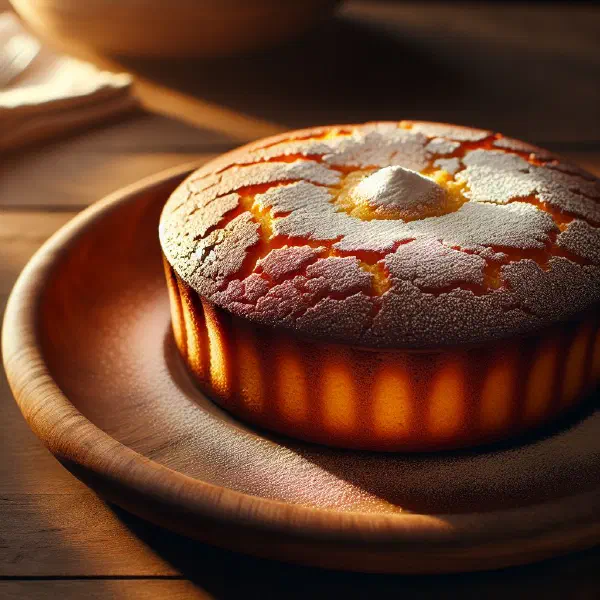
An attractive presentation can lift the enjoyment of this cake considerably. Serve it on a handsome cake stand and garnish with fresh fruit or a dusting of icing sugar. A creative arrangement makes the dessert not only tasty but genuinely inviting to look at. Combined with a well-set table, your cake becomes a real centrepiece for any occasion.
A bit of history
The Gâteau de Manioc has a long tradition in Ivorian cuisine, rooted deep in the country’s culture. Cassava is a staple across much of West Africa and has been valued as a food source for centuries, appearing in everything from Placali to fermented Gari. The cake grew out of local recipes and showcases the creativity and richness of Ivory Coast cooking. Every family recipe has its own secrets, which is why so many variations exist.
More recipe ideas
Summary: Gâteau de Manioc
The Gâteau de Manioc is a delicious cake and a symbol of the rich culture of the Ivory Coast. With its simple preparation and its many possible variations, it suits every kind of occasion. This rich cassava cake promises to please every palate. Let Ivorian cooking inspire you and treat yourself to this one-of-a-kind bake.