National Dish Ivory Coast: Pâte (Recipe)
In this article
Discover Pâte, the humble maize staple that sits at the very heart of Ivorian cooking. Made from nothing more than maize meal, water and a pinch of salt, it turns into a smooth, gently elastic mound that soaks up sauces beautifully. It works equally well as a main course or as a side, and it is exactly the kind of dish that brings a whole table together. Bring the warmth of West African home cooking straight into your own kitchen.
About Pâte
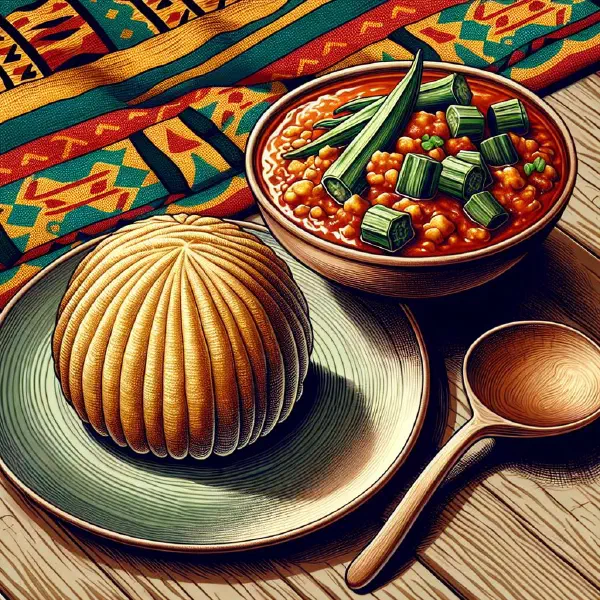
Pâte is the traditional national dish of the Ivory Coast and plays a central role in West African cooking. Made from maize meal and water, it is defined by its straightforward preparation and its remarkable versatility. It can be served as a main dish or as an accompaniment, and it is often paired with a wide range of sauces and vegetables. The creamy, faintly springy texture of pâte has made it an enduring favourite, enjoyed by large gatherings at celebrations just as readily as by families at home.
Ingredients (serves 1–2)
- 200 g maize meal
- 500 ml water
- A pinch of salt
- Optional: spices of your choice
- Optional: vegetables or a sauce to serve alongside
Shopping for the ingredients
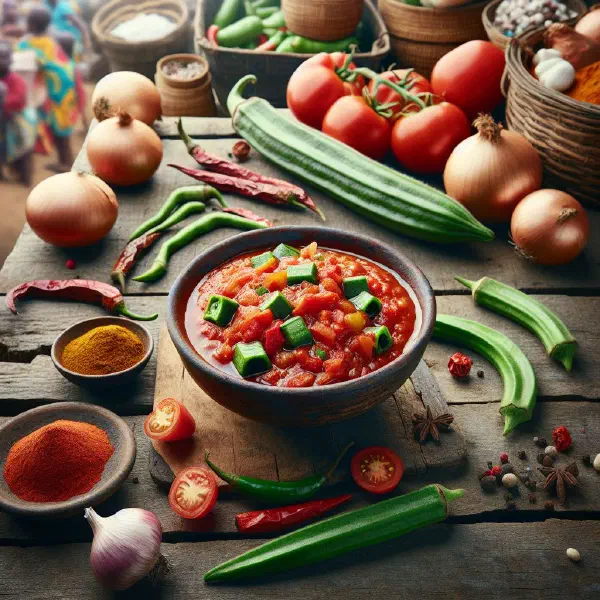
Pay close attention to the quality of your maize meal, since it forms the entire base of the dish. Pure, fresh maize meal gives you the best flavour and the ideal consistency. Many African grocers and health-food shops carry a good selection of maize products, and local markets are the place to find the fresh vegetables that pair so well with pâte, much like the produce that goes into a hearty Sauce Graine.
Preparing the dish
Preparing pâte is uncomplicated and takes only a few essential steps. Begin by bringing the water to the boil in a saucepan. While the water heats, mix the maize meal with a little salt in a separate bowl to bring out the flavour. It is worth having everything ready before you start cooking, since the mixture comes together quickly and needs your full attention once it hits the pan.
Step-by-step instructions
- Bring the water to the boil in a saucepan.
- Add the maize meal slowly, stirring constantly to prevent lumps forming.
- Reduce the heat and keep stirring until the mixture reaches a smooth, thick consistency.
- Cover the pan and let the pâte simmer gently over low heat for about 10 minutes.
- Turn out the pâte, shape it as you like and serve with your chosen sauce or vegetables.
Gluten-free / lactose-free version
Pâte is naturally gluten-free, as it consists of nothing but maize meal, which makes it an excellent choice for anyone with coeliac disease or a gluten intolerance. For a lactose-free meal, simply check that no dairy products creep into the sides or sauces you serve alongside it. Plant-based alternatives step in easily and keep the meal every bit as rich and satisfying.
Tips for vegans and vegetarians
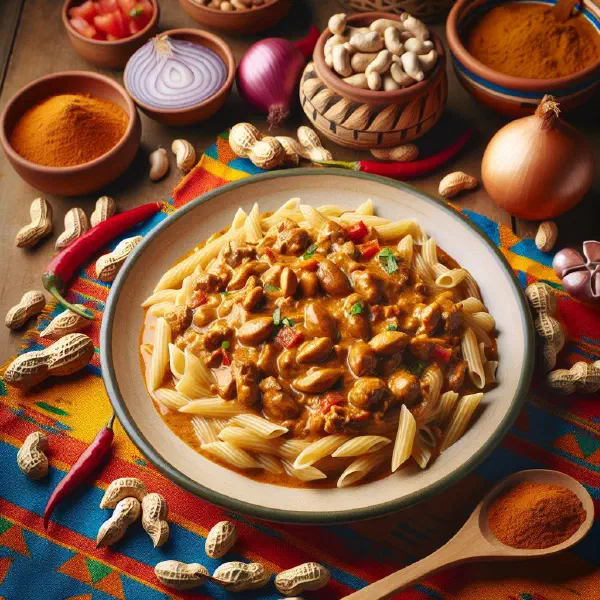
Pâte is a great option for vegans and vegetarians, since it contains no animal products at all. To make the meal more substantial, add vegetables such as broccoli, carrots or peppers, all of which bring plenty of nutrients to the plate. Plant-based sauces work beautifully as an accompaniment, a simple tomato sauce, or a rich peanut sauce along the lines of Sauce Darachide. These combinations keep things varied and make the dish even more delicious.
More tips and tricks
To get the best out of pâte, sift the maize meal beforehand for a finer texture. Check the consistency regularly as you stir, so the mixture ends up neither too stiff nor too loose. If you would like a more aromatic result, herbs or spices can be worked in during cooking. Small adjustments like these can make a surprisingly big difference to the finished flavour.
Adapting the recipe to your taste
Pâte is easy to tailor to personal preference. Increasing or reducing the amount of water changes the consistency, from firm and sliceable to soft and spoonable. The choice of sides and sauces can vary just as freely, letting you lean towards different flavours and regional traditions. Experiment with ingredients and seasonings until you arrive at a version of pâte that is entirely your own.
Ingredient substitutions
If you have no maize meal to hand, other flours such as rice flour or buckwheat flour will give you a comparable texture. You can be just as creative with what you serve alongside: instead of a conventional sauce, try a punchy chilli sauce or even a spoonful of hummus. Cassava-based staples like Placali also make a fine stand-in when maize is scarce, and they open the door to a whole family of related flavours.
Drink pairing ideas
Refreshing drinks suit pâte best, since they balance the savoury character of the dish. Try fruit juices such as mango or pineapple, or a glass of lime water for a zesty lift, a chilled Bissap is another classic West African choice. For adults, a light beer or an African wine makes a pleasant match. The right drink can noticeably sharpen the whole eating experience.
Serving and presentation ideas
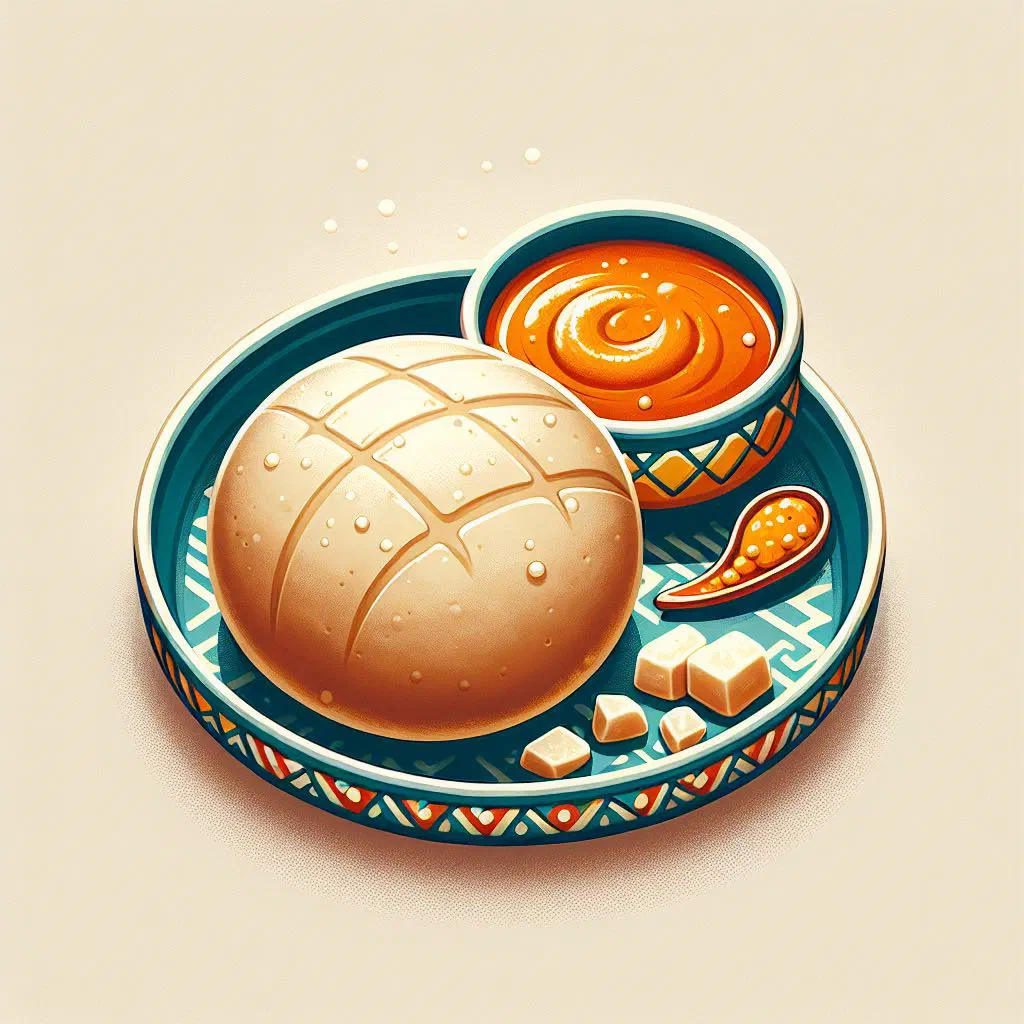
Presentation has a real influence on how pâte is received at the table. Serve it on a colourful plate and garnish with fresh herbs or brightly coloured vegetables. Wooden or clay platters lend a rustic note that suits the dish particularly well.
A bit of history
Pâte has a long tradition in West African cooking and reflects the cultural diversity of the region. Originally developed by the indigenous peoples of the Ivory Coast, the dish has shifted and adapted over the centuries. It is regularly served at celebrations, festivals and family gatherings, which underlines its place in West African cultural identity. That deep-rooted tradition makes pâte far more than a recipe. It is a symbol of community and belonging, and one of the cornerstones of Ivorian cuisine.
More recipe ideas
- Pate De Mais Avec Sauce Gombo
- Pate Rouge Avec Sauce Tomate
- Foutou Digname
- Gombo Sauce Tomate
- Riz Gras Ivoirien
Summary: Pâte
Pâte is a delicious dish and a piece of West African culture, and it is genuinely simple to make at home. With a range of sides and variations, it adapts effortlessly to personal taste. Built on healthy, fresh ingredients, it is a sound choice for any meal of the day. Above all, it invites you to bring the variety and the flavours of the Ivory Coast into your own kitchen, a truly rewarding experience.