National Dish Japan: Amazake (Recipe)
In this article
Meet Amazake, the gently sweet, creamy rice drink that has warmed hands and hearts across Japan for centuries. Made by fermenting rice, it carries a natural sweetness with no added sugar and a smooth, comforting texture you can sip warm in winter or chilled in summer. Long a fixture of festivals and shrine celebrations, this nourishing fermented rice drink is enjoying a fresh wave of popularity, and it is wonderfully easy to make at home.
About Amazake
Amazake is a traditional Japanese drink made from fermented rice, with a sweet, creamy consistency that has made it a firm favourite for generations. Its prized natural sweetness comes entirely from the fermentation of the rice rather than any added sugar, which gives it a wholesome, mellow character. It can be served warm or cold and works beautifully as a nourishing snack or a light meal in its own right. At traditional Japanese festivals and celebrations, amazake is a much-loved drink and is often enjoyed as part of the wider Japanese culture surrounding food and seasonal ritual.
Ingredients (serves 1–2)
- 200 g glutinous rice
- 200 ml water
- 100 g koji (fermented rice)
- 1 pinch salt (optional)
Shopping for the ingredients
The ingredients for amazake are widely available in most Asian grocery shops or online. Glutinous rice is essential, as it forms the base of the drink and gives it body. Be sure to buy koji, the cultured rice that drives the fermentation and is the heart of the whole process. You might also consider the optional pinch of salt, which helps round out and refine the flavour. Quality matters here, so choose the best rice and koji you can find.
Preparing the dish
Before you start making amazake, it is important to rinse the glutinous rice thoroughly and then soak it. Leave the rice to soak for at least 4 hours, or overnight, so it reaches the right consistency once cooked. After soaking, drain the rice well. This ensures it holds enough moisture and cooks evenly, giving you the soft grains that fermentation needs to work its magic.
Step-by-step instructions
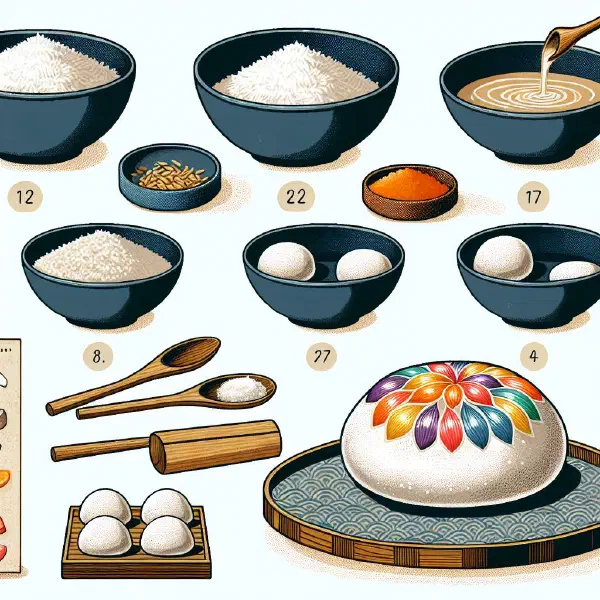
- Cook the soaked glutinous rice in a pan with 200 ml water, then let it swell over low heat for about 30 minutes.
- Allow the cooked rice to cool slightly, then transfer it to a bowl and mix thoroughly with the koji.
- Ferment the mixture at 60°C to 65°C for around 6–8 hours, stirring every 1–2 hours to keep it even.
- Blend the finished amazake until it reaches a smooth, creamy consistency.
- Season to taste with a little salt if you wish, and serve warm or cold.
Gluten-free / lactose-free version
Amazake is naturally gluten-free as long as you use gluten-free glutinous rice. It is also lactose-free, which makes it an ideal choice for anyone with a lactose intolerance. Thanks to its simple make-up and the option to choose high-quality ingredients, other dietary requirements can be accommodated too. Carrying out the fermentation in a controlled, steady environment will give you the best and most reliable results every time.
Tips for vegans and vegetarians
Amazake is a vegan and vegetarian drink that offers a lovely source of energy and nutrients. It contains no animal products whatsoever, so it can be enjoyed without hesitation by people following any kind of diet. For an extra nutritional boost, you could stir in some ground nuts or a spoonful of superfood powder. These additions complement the drink’s natural health benefits and lend it an interesting new note of flavour and texture.
More tips and tricks
Perfect fermentation is the key to a successful batch of amazake. Keep a close eye on the temperature throughout and stir regularly to guarantee an even, smooth consistency. If you would like a nutty or fruity note, experiment with different ingredients during the fermentation stage. Small tweaks like these can noticeably shape the flavour of the finished drink and let you add your own personal signature to each batch.
Adapting the recipe to your taste
The amazake recipe is easy to adjust to suit your own preferences. Like it sweeter? Stir in a little honey or a touch of agar-agar for body. For a more aromatic result, add warming spices such as cinnamon or vanilla. Think about how you would like your ideal amazake to look and taste, then experiment with different ingredients to create a version that is entirely your own. The same playful approach works wonders with Mitarashi Dango.
Ingredient substitutions
If you do not have glutinous rice to hand, you can use other rice varieties such as jasmine or sushi rice. For a properly gluten-free result, however, genuine glutinous rice remains the best option. Instead of koji, you can also use dedicated fermentation starters that help you achieve a similar result. Bear in mind that the flavours may vary, so choose your alternatives thoughtfully, much as you would when adapting a comforting bowl of Zenzai.
Drink pairing ideas
Amazake pairs beautifully with a range of other drinks. A cup of green tea is a perfect match and complements the gentle sweetness of the amazake. A fruity smoothie or a glass of sparkling water can also make a refreshing accompaniment. For special occasions, a Japanese sake served alongside amazake offers a truly distinctive tasting experience that highlights the depth of Japanese fermentation traditions.
Serving and presentation ideas
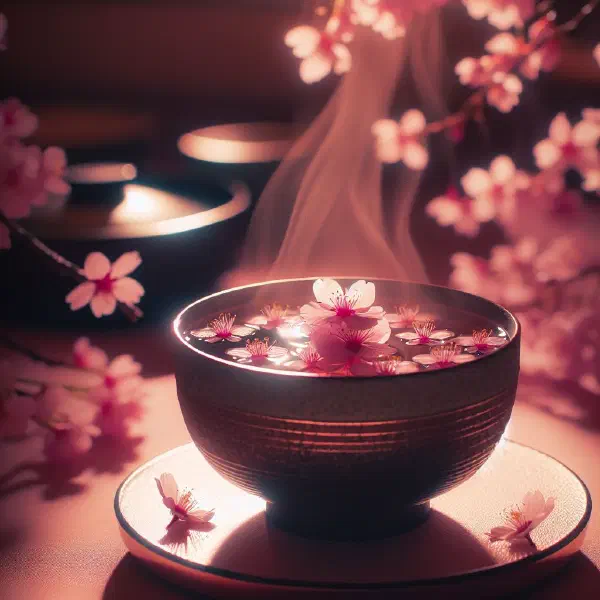
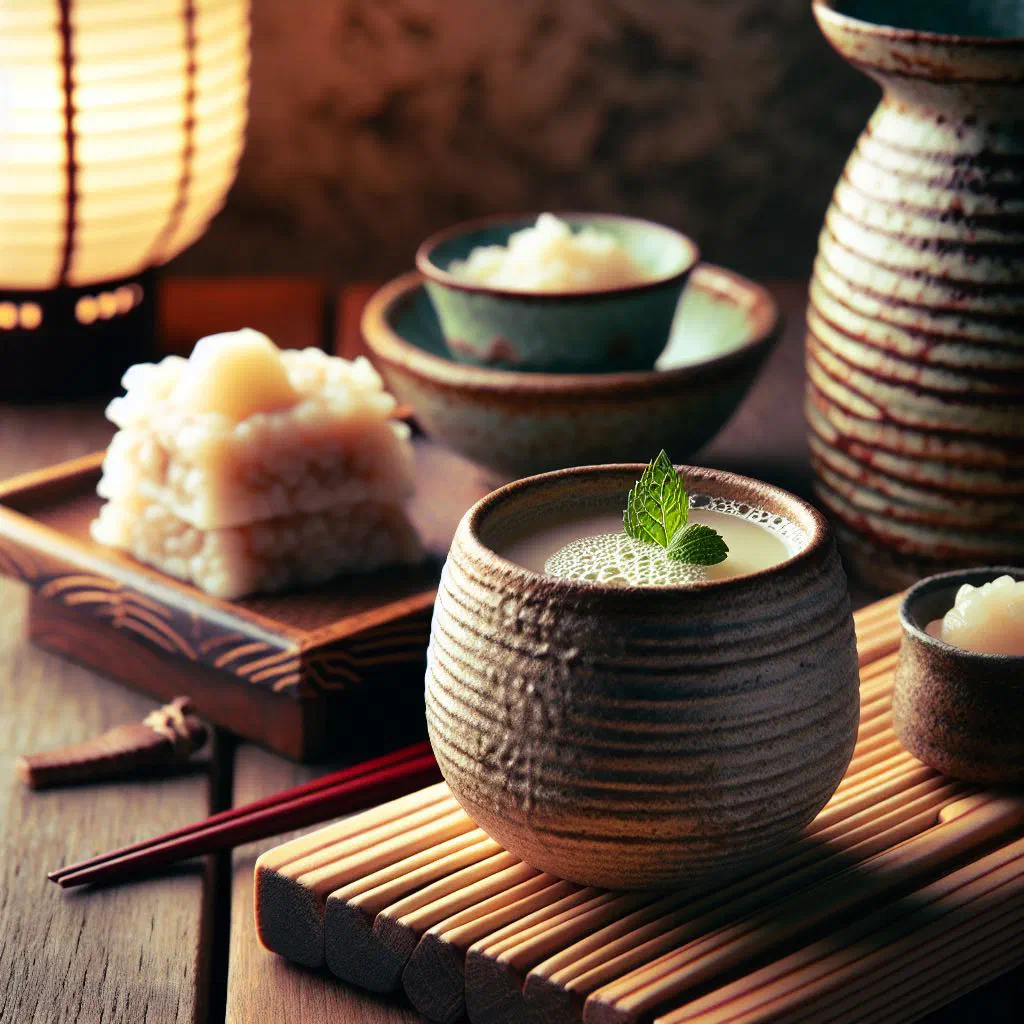
The way you present your amazake can greatly enhance the experience. Serve it in traditional Japanese tea bowls to emphasise the cultural side of the drink. You can also add fresh fruit, nuts or mint leaves as a garnish. This creates an inviting look and adds a little extra nourishment to your drink. A small tray with seasonal touches turns a simple cup of amazake into something quietly special.
A bit of history
Amazake has a long history in Japan, stretching back several centuries. It was originally a drink served during harvest festivals and other special occasions. The fermentation of rice was regarded as something of an art form in Japanese culture, and amazake was prized both for its taste and for its health-giving qualities. Today it is enjoying a real renaissance, growing steadily more popular not only in Japan but internationally too, a fine ambassador for Japanese cuisine.
More recipe ideas
Summary: Amazake
Amazake is a delicate and nourishing drink born from the fermentation of rice. Its simple preparation and versatile uses make it a wonderful addition to any diet. Amazake appeals to with its creamy consistency and natural sweetness. Give this easy recipe a try and discover the rich culture and the flavour of Japan in your own home.