National Dish Japan: Ankake Udon (Recipe)
In this article
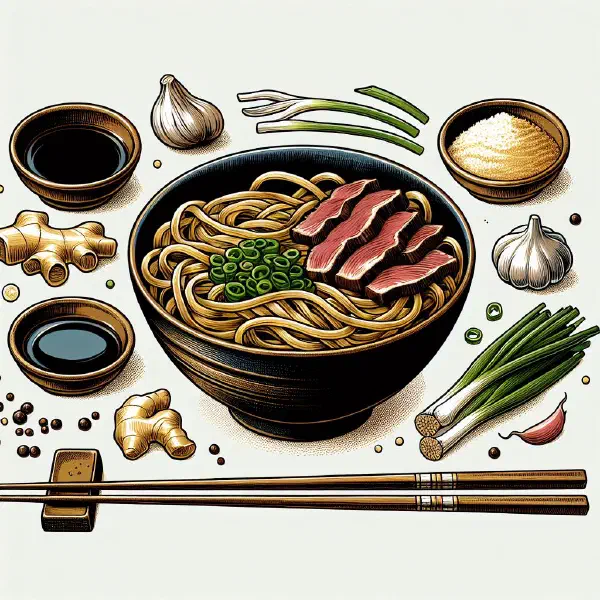
Discover Ankake Udon, one of Japan’s most comforting bowls of noodles. Thick, springy udon are bathed in a glossy, umami-rich sauce that clings to every strand and stays warm right to the last mouthful. It is exactly the kind of dish you crave on a cold, grey day, and it comes together with just a handful of pantry staples. Bring a little of that cosy Japanese restaurant warmth straight to your own kitchen.
About Ankake Udon
Ankake Udon is a wonderfully satisfying dish built around thicker udon noodles and a deep, glossy sauce. This traditional Japanese meal is at its best in the colder months, when you are after something warm and properly hearty. The sauce, usually built on an umami base, gives the dish its unmistakable savoury character and keeps the whole bowl piping hot thanks to its thickened, clinging texture. Over the years, Ankake Udon has become a firm favourite in Japanese restaurants all around the world.
Ingredients (serves 1–2)
- 200 g udon noodles
- 300 ml dashi stock
- 2 tablespoons soy sauce
- 1 tablespoon mirin
- 1 teaspoon sugar
- 1 tablespoon potato starch (mixed with a little water)
- Fresh vegetables (such as spinach and carrots)
- Optional: tender meat or tofu
Shopping for the ingredients
When shopping for ankake udon, pay attention to the quality of the udon noodles. Fresh udon are ideal, as they have a better texture and flavour than the dried kind. Dashi stock can be made from scratch or bought ready-made in bottles. The remaining ingredients, such as soy sauce, mirin and potato starch, are easy to find in any Asian grocery or a well-stocked supermarket.
Preparing the dish
Preparing Ankake Udon takes only a few simple steps. Start by gathering all of your ingredients so the cooking process runs smoothly. It is also worth chopping the vegetables in advance so they cook evenly later on. If you are using meat or tofu, make sure these are cut into bite-sized pieces too, ready to drop straight into the pan.
Step-by-step instructions
- Bring a pan of water to the boil and cook the udon noodles according to the packet instructions until al dente.
- In a separate pan, heat the dashi stock and add the soy sauce, mirin and sugar.
- Add your prepared vegetables along with the meat or tofu of your choice and cook briefly until tender.
- Bring the mixture to the boil and stir in the potato starch slurry to thicken the sauce.
- Add the cooked udon noodles to the sauce and toss well, so the noodles are evenly coated.
Gluten-free / lactose-free version
For a gluten-free take on Ankake Udon, swap in rice noodles or gluten-free udon. When buying soy sauce, be sure to choose a gluten-free variety such as tamari. You can also make the dashi yourself from a homemade vegetable stock or seaweed to keep everything gluten-free. As for a lactose-free version, there is nothing extra to do, the dish traditionally contains no dairy at all.
Tips for vegans and vegetarians
If you would like to make Ankake Udon vegan or vegetarian, simply replace the stock with a good vegetable broth. The meat can be swapped for tofu or tempeh, which makes an appealing protein source for vegans and vegetarians alike. You can also add all sorts of vegetables, such as broccoli, courgette or peppers, to make the dish even more nourishing. Just double-check that your soy sauce is plant-based too.
More tips and tricks
A few simple tips can really lift the flavour of Ankake Udon. Experiment with seasonings such as garlic or ginger for an extra layer of aroma. A scattering of chopped spring onions or toasted sesame seeds makes a lovely garnish, adding both contrast and texture. And if you fancy a change, vary the vegetables according to whatever is in season, much like you would in a cosy Yosenabe hotpot.
Adapting the recipe to your taste
Making Ankake Udon leaves plenty of room for personal tweaks. You can dial the heat up by adding chilli or a squeeze of sriracha for a bit of a kick. If you are a fan of peanut butter, stirring a little peanut sauce into the mix gives the bowl a whole new character. The recipe is flexible and happy to bend to your own preferences.
Ingredient substitutions
If you are looking for alternatives to the traditional ingredients in Ankake Udon, there are plenty of options. Mirin, for example, can be replaced with a little sugar syrup or a splash of cider vinegar if you cannot get hold of any. For the broth, an instant stock works in place of dashi at a pinch. And if you cannot find potato starch, cornflour is an excellent stand-in for thickening the sauce, handy if you also enjoy braised classics like Nikujaga.
Drink pairing ideas
To round off your Ankake Udon experience, several drinks make a fine match. Green tea is the classic choice. It suits Japanese food beautifully and is good for you too. If you prefer something more refreshing, a glass of sake or a Japanese beer is an excellent companion that harmonises with the flavours of the dish. For an alcohol-free option, a fruity mint iced tea works a treat.
Serving and presentation ideas
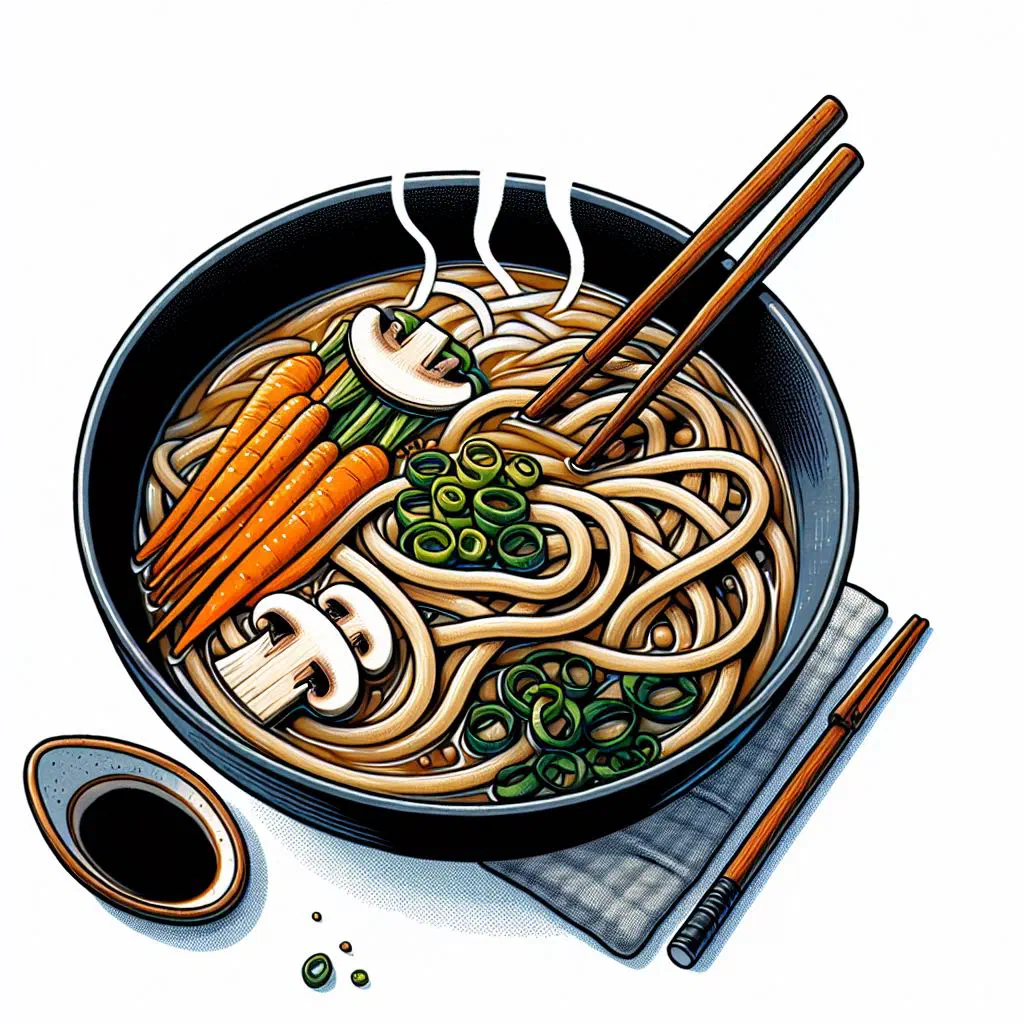
Presentation plays an important part in the whole Ankake Udon experience. Serve the dish in attractive bowls and garnish with a little fresh vegetable or a pinch of sesame seeds. Colourful ingredients such as carrots or spinach add welcome visual accents. It is also a nice touch to offer wooden chopsticks and a side of chopped spring onions to complete the meal, the same neat, considered approach you find across Japanese cuisine.
A bit of history
Ankake Udon has an interesting history that is closely tied to the development of udon noodles themselves. These noodles trace their roots to fifth-century China and were brought to Japan in the ninth century. In Japan the recipe evolved further and was adapted across different regions. The thickened sauce is especially popular in the Kanto region, offering a heartier alternative to the clear broths so often used in other udon dishes.
More recipe ideas
Summary: Ankake Udon
In short, Ankake Udon is a delicious, hearty dish that is easy to make at home. With its thicker udon noodles and umami-rich sauce, it is perfect for chilly days. The real joy of this dish lies in its versatility, which lets you adjust the ingredients to suit your own taste. Vegan or gluten-free, the possibilities are practically endless.