National Dish Japan: Anko (Recipe)

In this article
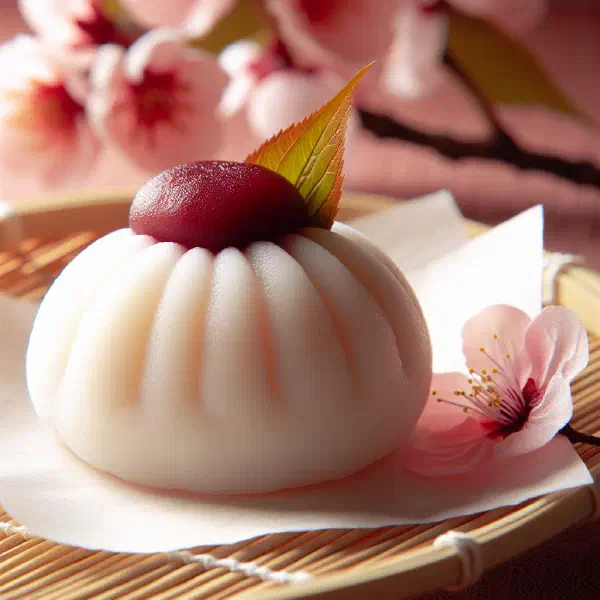
Discover Anko, the sweet red bean paste that sits at the heart of so many Japanese sweets. Made from tender azuki beans simmered down with sugar until soft and glossy, it carries a gentle, mellow sweetness all its own. This is the secret filling tucked inside mochi, dorayaki and countless other treats, and once you have made it at home, you will understand why generations of cooks have kept it close. Let the sweeter side of Japan win you over, one spoonful at a time.
About Anko
Anko is a traditional Japanese red bean paste prized for its delicate, gentle sweetness. It is made chiefly from azuki beans, which are boiled until soft and then enriched with sugar. Anko is an essential building block of many Japanese sweets and desserts, including mochi and dorayaki. Its sheer versatility has made it a much-loved ingredient in the Japanese kitchen, where it turns up in both sweet treats and the occasional savoury dish.
Ingredients (serves 1–2)
- 100 g azuki beans
- 80 g sugar
- A pinch of salt
- Water (for boiling)
Shopping for the ingredients
The ingredients for anko are easy to find in most Asian grocery shops or online stores. Try to buy good-quality azuki beans, as the quality of the beans has a real impact on the flavour of the finished paste. The amount of sugar can be adjusted to taste, and for a healthier version you can reach for natural sweeteners such as honey instead. It is also worth keeping a little salt to hand, which helps balance the flavours beautifully.
Preparing the dish
To make anko, it is important to soak the azuki beans in good time. An hour or two before cooking, leave the beans to soak in water so they cook through more easily, then drain them well. The next step is to simmer the beans until soft, which can take anywhere from 30 to 60 minutes depending on their quality. The exact cooking time will vary with how fresh the beans are.
Step-by-step instructions
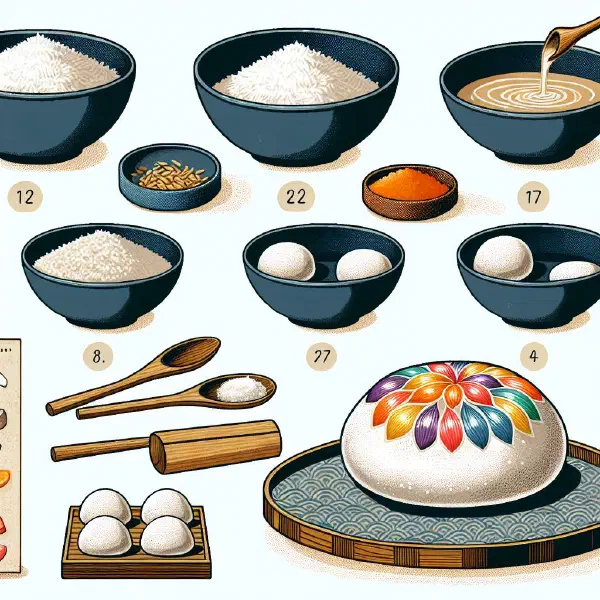
- Soak the azuki beans overnight.
- Drain the beans and bring them to the boil in a pan of fresh water.
- Reduce the heat and simmer the beans for about 30–60 minutes, until very soft.
- Pour off the excess water and return the beans to the pan.
- Add the sugar and a pinch of salt, then stir well.
- Keep stirring over low heat until the mixture reaches a smooth, paste-like consistency.
- Let the anko cool and store it in an airtight container.
Gluten-free / lactose-free version
The recipe for anko is naturally gluten-free and lactose-free. Even so, do check that the sugar and any other ingredients are free from gluten-containing additives. As this is a sweet that needs no animal products at all, it is also ideal for vegans. That means anyone with food intolerances can enjoy this delicious bean paste without a second thought.
Tips for vegans and vegetarians
Anko is an excellent choice for vegans and vegetarians, since it is made entirely from plant-based ingredients. To vary the sweetness, you might try coconut sugar or stevia in place of regular sugar. Just keep an eye on the consistency as you sweeten, because some sweeteners bring extra moisture with them. Experiment with different sugar alternatives until you land on the flavour and texture that suit you best.
More tips and tricks
When cooking anko, it helps to taste the beans regularly so you can judge when they have reached the perfect consistency. If the beans start to look too dry, simply add a splash more water as they cook. It is also worth trying a little vanilla or cinnamon for an extra layer of aroma. And remember to store the finished paste well so it stays fresh and keeps its flavour.
Adapting the recipe to your taste
The basic recipe for anko is easy to tailor to your own preferences. You can reduce or increase the amount of sugar to match your taste exactly. For a chunky version, hold back on the mashing so small pieces of bean remain in the paste. You could even experiment with different kinds of bean to discover new flavours, perhaps using beans of varying colours or textures to make your anko truly your own.
Ingredient substitutions
If azuki beans are hard to find, you can also use other pulses such as red beans or even kidney beans, though these will bring their own flavour and texture. Be sure to adjust the quantities accordingly. And if you fancy a different sort of sweetness, maple syrup or agave syrup are both well worth considering for a distinctive finish.
Drink pairing ideas
Anko goes wonderfully with a range of drinks. A cup of green tea brings out the flavours of the sweet and offers a lovely contrast. A matcha latte is another excellent match, its slightly bitter edge balancing the sweetness of the paste. For something a little special, you could even try a glass of Japanese sake to round off the experience.
Serving and presentation ideas
Presentation matters a great deal in Japanese cooking. Serve anko in small bowls or on plates with a little decorative fruit to lift the colours. A thoughtful arrangement with loving detail makes the whole experience more enjoyable. Natural touches such as leaves or edible blossoms also make a charming finishing flourish.
A bit of history
Anko has a long history in Japanese cooking, one that can be traced back as far as the 8th century, when azuki beans first began to be used in Japanese confectionery. Making anko is an art in its own right, a skill passed down through the generations. Today it is treasured not only in Japan but across other Asian countries too, and it is increasingly offered around the world. Proof of the enduring appeal of Japanese cuisine.
More recipe ideas
Summary: Anko
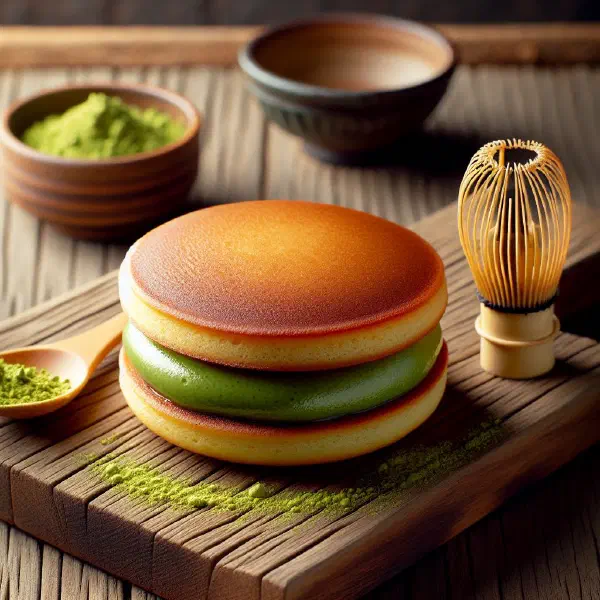
Making anko is both simple and a genuine pleasure, the kind of treat that wins over every lover of Japanese sweets. With just a small amount of azuki beans, a little sugar and a touch of creativity, you can turn out this delicious bean paste yourself. It works beautifully in all sorts of desserts, folded into Dorayaki or spooned over a warm bowl of Zenzai, and pairs perfectly with traditional Japanese drinks. Let the sweet side of Japan tempt you, and savour the tradition.