National Dish Japan: Basashi (Recipe)
In this article
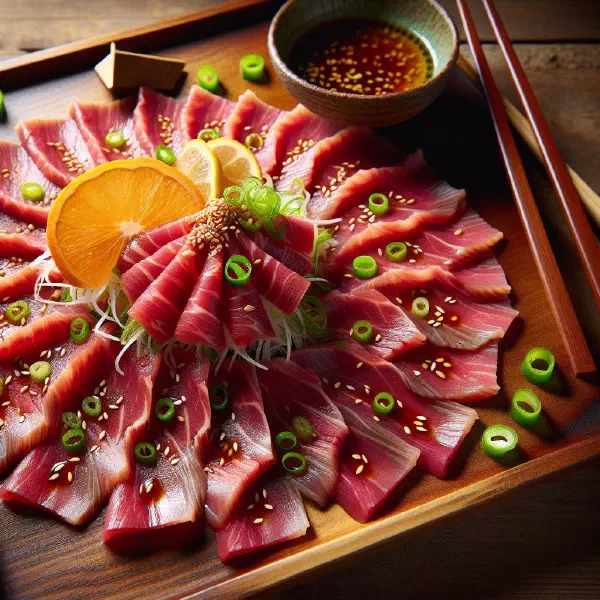
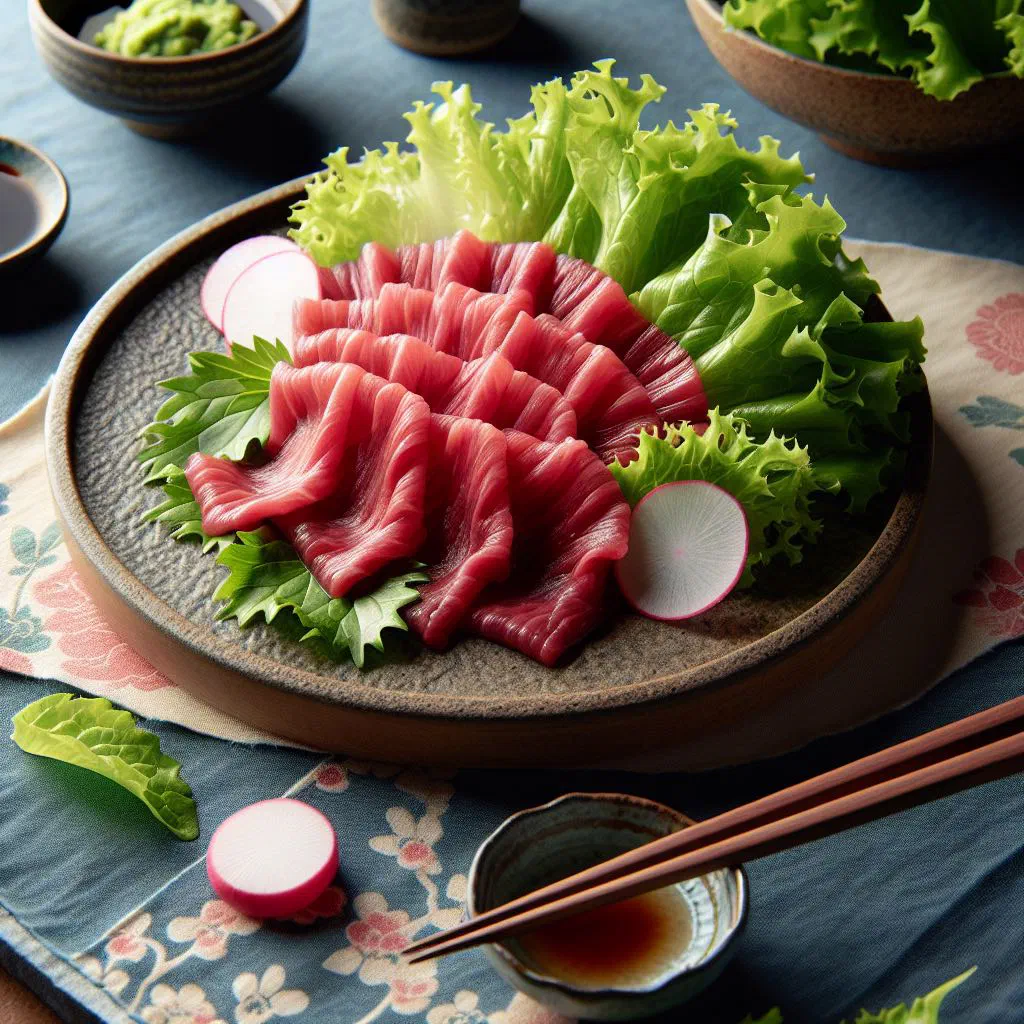
Discover Basashi, one of Japan’s most intriguing delicacies. This refined dish of thinly sliced raw horse meat is prized for its delicate texture and clean, subtle flavour. Served with fragrant garlic, freshly grated ginger and a drizzle of soy sauce, it offers a window into a deep-rooted appreciation for fresh, top-quality ingredients. Bring a taste of traditional Japanese dining straight to your own table.
About Basashi
Basashi is a traditional Japanese dish made from raw horse meat, and it holds a special place in the country’s culinary tradition where it is often served as a delicacy. The preparation and enjoyment of basashi are closely tied to Japanese culture, with its long-standing reverence for fresh, high-quality produce. It is typically paired with flavourful accompaniments such as garlic, ginger and soy sauce, all chosen to highlight the unique character of the meat. Like the elegant courses of Kaiseki Ryori, basashi is as much about restraint and quality as it is about flavour.
Ingredients (serves 1–2)
- 200–300 g fresh, lean horse meat
- 2–3 cloves garlic, finely chopped
- A small piece of fresh ginger, grated
- 2–3 tablespoons soy sauce
- A few shiso or lettuce leaves, to serve
- A sprinkling of sesame seeds (optional)
Shopping for the ingredients
When shopping for basashi, it is essential to choose fresh, top-quality horse meat. Seek out a trusted butcher or a specialist supplier, ideally one who deals in meat intended to be eaten raw. Keep the meat well chilled and bring it home as quickly as possible. Round out your shopping with fresh vegetables and tasty accompaniments to enrich the dish, much as you would for other refined raw preparations such as Tekka Don.
Preparing the dish
Preparing basashi takes a few careful steps to make sure the dish is both safe and delicious. First, slice the horse meat into thin, even pieces. It is best to do this on a scrupulously clean chopping board with a sharp knife to achieve the right texture. While you work on the meat, finely chop the garlic and grate the ginger so their aromas are ready to shine the moment the dish is plated.
Step-by-step instructions
- Slice the fresh horse meat thinly and arrange it neatly on an attractive plate.
- Scatter the chopped garlic and grated ginger evenly over the meat.
- Drizzle the soy sauce over the whole dish.
- Garnish with sesame seeds to taste and lay out the shiso or lettuce leaves alongside.
- Serve immediately to enjoy it at its freshest and best.
Gluten-free / lactose-free version
Basashi is naturally gluten-free and lactose-free. Its main ingredients are simply fresh horse meat, garlic, ginger and soy sauce. Take care, however, to use a gluten-free soy sauce, as many supermarket varieties contain wheat. Beyond that, you can reach for plant-based alternatives free from any animal products to keep the dish entirely lactose-free, so it suits a wide range of dietary needs.
Tips for vegans and vegetarians
Although basashi is a meat-based dish, there are ways to recreate similar flavours and textures for vegans and vegetarians. Replace the horse meat with plant proteins such as tofu or tempeh, sliced thinly to mimic the original. Marinate them in a blend of soy sauce, ginger and garlic to deepen the flavour. Combined with fresh vegetables, these plant proteins make a tasty, nourishing alternative, and pair beautifully with a side of Ohitashi.
More tips and tricks
When preparing basashi, it is vital to keep the freshness of the ingredients in mind at all times. Always use the highest-quality produce so the dish is flawless in both taste and safety. Another useful tip is to freeze the horse meat lightly before slicing, as this makes it far easier to cut into wafer-thin pieces. Experiment with the amount of garlic or ginger to adjust the aromas to your personal taste.
Adapting the recipe to your taste
Basashi positively invites you to experiment with the preparation and tailor the flavours to your own liking. Many people enjoy adding extra vegetables or different herbs to enrich the dish. If you fancy a little more heat, you can also work some chilli or other spices into the marinade.
Ingredient substitutions
There are several alternatives you can fold into your basashi, especially when some ingredients are hard to come by. Instead of regular soy sauce, for instance, you can use tamari for a gluten-free option. For a milder, gentler note, try coconut aminos in its place. Stay open to different combinations and craft your own version of this classic, just as cooks adapt the seasonings in Saba Miso.
Drink pairing ideas
To round off the basashi experience, a number of drinks pair wonderfully with it. A fine sake is an excellent choice, as its delicate flavour complements the dish beautifully. Alternatively, green tea or a crisp Japanese beer can be served for a touch of refreshment.
Serving and presentation ideas
Presentation matters a great deal with basashi, since the dish should be as pleasing to the eye as it is to the palate. Use an elegant, shallow plate to arrange the thin slices of meat gracefully. Garnish with fresh herbs or edible flowers to add a splash of colour. Thoughtful plating can lift the whole dining experience considerably.
A bit of history
The history of basashi stretches far back and is tightly bound up with Japanese food culture. It originated in the Kumamoto region, where eating raw horse meat has been a tradition for centuries. In recent years, basashi has spread beyond Japan and is winning growing recognition among international food lovers. The dish is a tradition and an expression of the Japanese philosophy that celebrates a deep appreciation of nature, a thread that runs through much of Japanese cuisine.
More recipe ideas
Summary: Basashi
Basashi is far more than a simple dish; it is an experience for the senses. Prepared and presented with care, it becomes a delicate, culturally rich delicacy that appeals to locals and visitors alike. By experimenting with the ingredients and adapting the recipe, you can add your own personal touch. Let Japanese tradition inspire you and savour the exciting flavours of basashi in your very own kitchen.