National Dish Japan: Daifuku (Recipe)
In this article
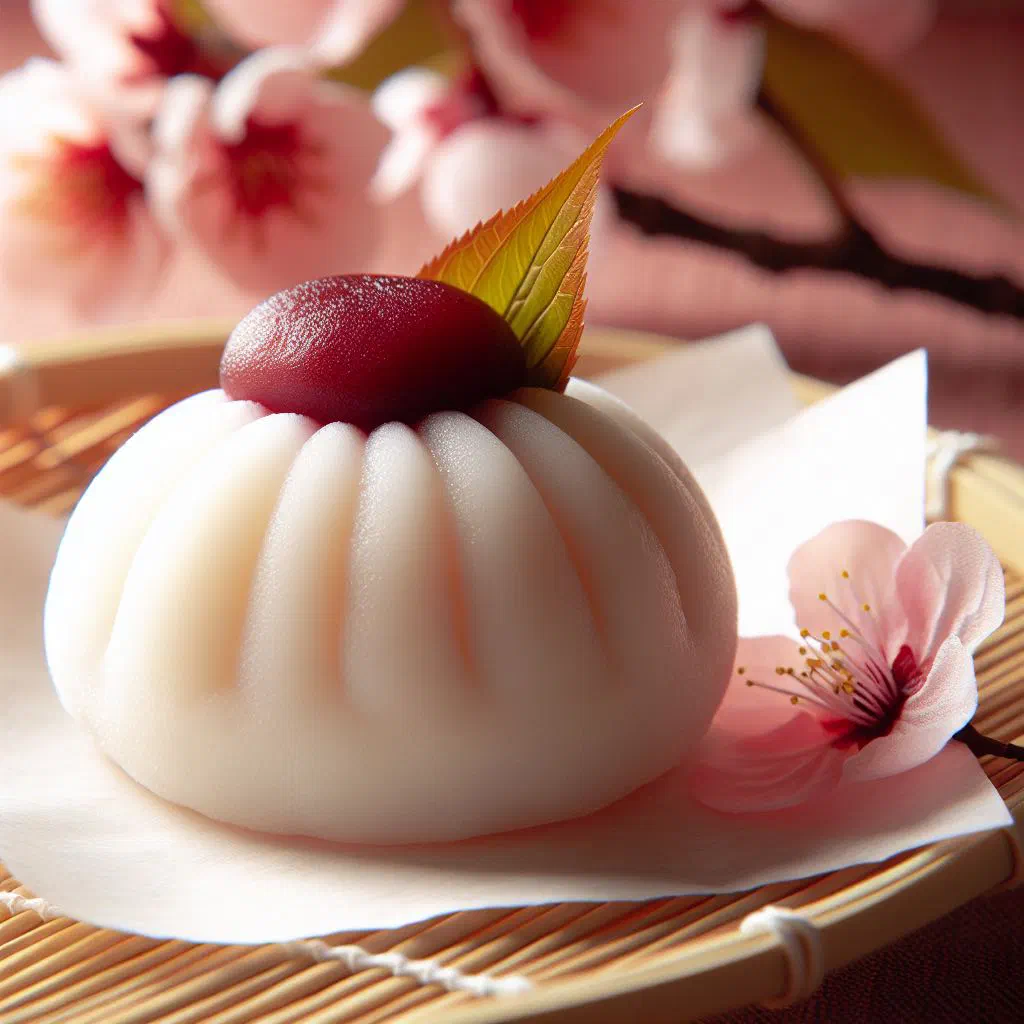
Step into the gentle, sweet world of Daifuku, one of Japan’s most cherished confections. These pillowy little rice cakes wrap a soft, chewy mochi shell around a sweet filling, classically a smooth red bean paste known as anko. Light, tender and quietly indulgent, they are enjoyed at festivals and celebrations and have long symbolised good fortune. Best of all, they are surprisingly straightforward to make at home, ready to bring a touch of Japanese elegance to your own kitchen.
About Daifuku
Daifuku is a traditional Japanese dessert built from a soft, sticky rice dough wrapped around a variety of sweet fillings. It is a much-loved sweet, served in Japan on special occasions and holidays, and you will find it filled with red bean paste, fruit or even ice cream. The delicate, chewy texture and gentle sweetness make it a real treat for anyone who loves Japanese cuisine, and its endless variations mean there is a daifuku to suit every palate.
Ingredients (serves 1–2)
- 100 g glutinous rice
- 50 g sugar
- 75 ml water
- 100 g red bean paste (anko)
- Starch (for rolling out and dusting)
Shopping for the ingredients
To make daifuku, it is important to track down the right ingredients. Glutinous rice and red bean paste are easy to find in Asian grocery shops, while sugar and starch are stocked in most supermarkets. Do take care to use genuine glutinous rice for the dough, as this is what gives the cakes their signature stretchy, chewy consistency. If you are unsure where to buy a particular item, many of these ingredients can also be ordered online.
Preparing the dish
Before you start making daifuku, give the glutinous rice a thorough wash and leave it to soak for several hours or overnight. Soaking allows the grains to absorb plenty of moisture so they reach the right consistency when cooked. Once soaked, drain the rice and set it aside ready to use. The red bean paste can also be seasoned or adjusted to taste at this stage, so it suits your own preferences perfectly.
Step-by-step instructions
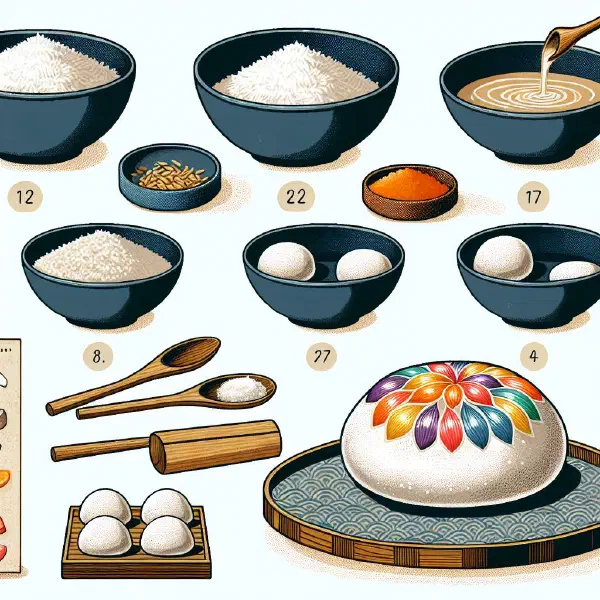
- Steam the soaked glutinous rice for about 30 minutes, until it is cooked all the way through.
- Tip the hot rice into a bowl and mix in the sugar until everything is well combined.
- Work the rice with a wooden spoon or dough scraper into a smooth, even dough.
- Roll the dough out on a starch-dusted surface and cut it into equal-sized pieces.
- Shape the red bean paste into small balls, place one inside each piece of dough and seal the edges.
- Gently roll each filled ball in starch to stop it sticking.
Gluten-free / lactose-free version
Daifuku is naturally gluten-free, since it is made with glutinous rice rather than wheat. Even so, do check that your sugar and bean paste are also gluten-free if you have specific dietary needs. For a lactose-free version, simply choose dairy-free fillings, fresh fruit or a plant-based yoghurt work beautifully, to keep the dessert light and refreshing. That way everyone can enjoy these little cakes without any compromise.
Tips for vegans and vegetarians
Daifuku is easy to keep vegan, as red bean paste is plant-based provided it is made without any animal products. You can also branch out with alternative fillings such as fresh fruit or vegan chocolate. For more sweet ideas in the same spirit, the chewy Kuzumochi is well worth exploring.
More tips and tricks
To get the very best from your daifuku, serve these little rounds fresh whenever you can. They will keep in the fridge, but take care that they do not dry out, wrap them in cling film or store them in an airtight container. While you are shaping them, you can add different colours and aromas to make your daifuku even more appealing. A light touch of matcha or fruit purée works wonders here.
Adapting the recipe to your taste
The basic daifuku recipe is wonderfully versatile and easy to tailor to your own palate. Try out different fillings, a mochi ball centre or chocolate-coated nuts, for instance, and vary the sweetness of the dough depending on whether you prefer it sweet or more neutral. You might also give your daifuku a distinctive twist by folding in matcha powder or other fragrant ingredients for an extra layer of flavour.
Ingredient substitutions
If you cannot find glutinous rice, you can fall back on ready-made rice flour instead, though this gives a slightly different mouthfeel that is not quite the same as traditional daifuku. For the filling, other pulses work too, black beans or white beans can both be delicious. Experiment with different versions to discover which one you like best, much as you might when comparing the bean-based sweetness of Zenzai.
Drink pairing ideas
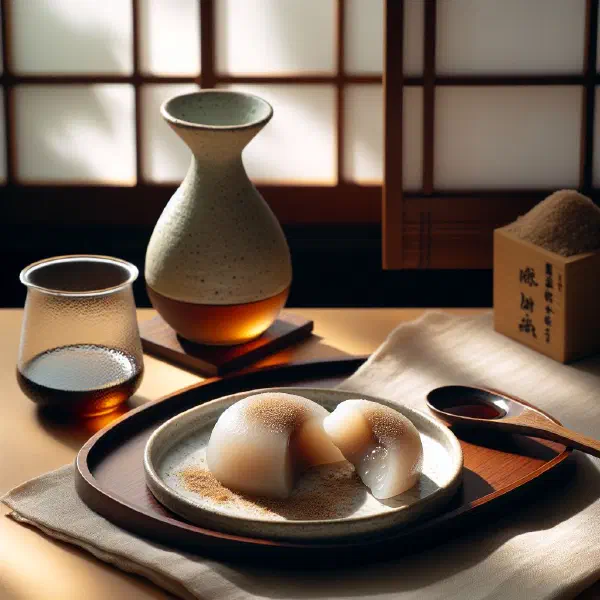
Daifuku pairs beautifully with fragrant Japanese teas such as matcha or sencha, which complement its gentle sweetness wonderfully. A simple cup of green tea is also a lovely match, lending a pleasant freshness alongside the sweet dessert. For a special occasion you could even offer chilled or warm sake, which makes for an intriguing flavour combination. Whatever you choose, serve the drinks at the right temperature to bring out the best in the pairing.
Serving and presentation ideas
Presentation is a key part of making daifuku feel truly special. Serve the filled rounds on a decorative plate and garnish them with fresh fruit or a few mint leaves. A light dusting of starch or matcha powder is a simple way to add visual accents. A thoughtful presentation will impress your guests and reflects a genuine appreciation of Japanese culinary tradition, the same care you might bring to serving Mitarashi Dango.
A bit of history
Daifuku has its roots firmly in Japan and is an essential part of Japanese culture. Its origins are thought to reach back to the 16th century, drawing on the long tradition of mochi recipes. The famous red bean paste so often used as a filling also plays a significant role in the history of Japanese sweets. Today daifuku is loved not only in Japan but around the world, where it is enjoyed in countless variations.
More recipe ideas
Summary: Daifuku
Daifuku is a delicious and endlessly adaptable Japanese dessert that is simple to make and offers plenty of scope for personal touches. The combination of sweet glutinous rice and a variety of fillings makes it a genuine treat, equally at home at special occasions and in everyday life. With the right approach and the right ingredients, anyone can conjure up daifuku and weave in their own preferences. Give it a try and discover the sweet world of daifuku for yourself.