National Dish Japan: Dashi-Maki Tamago (Recipe)
In this article
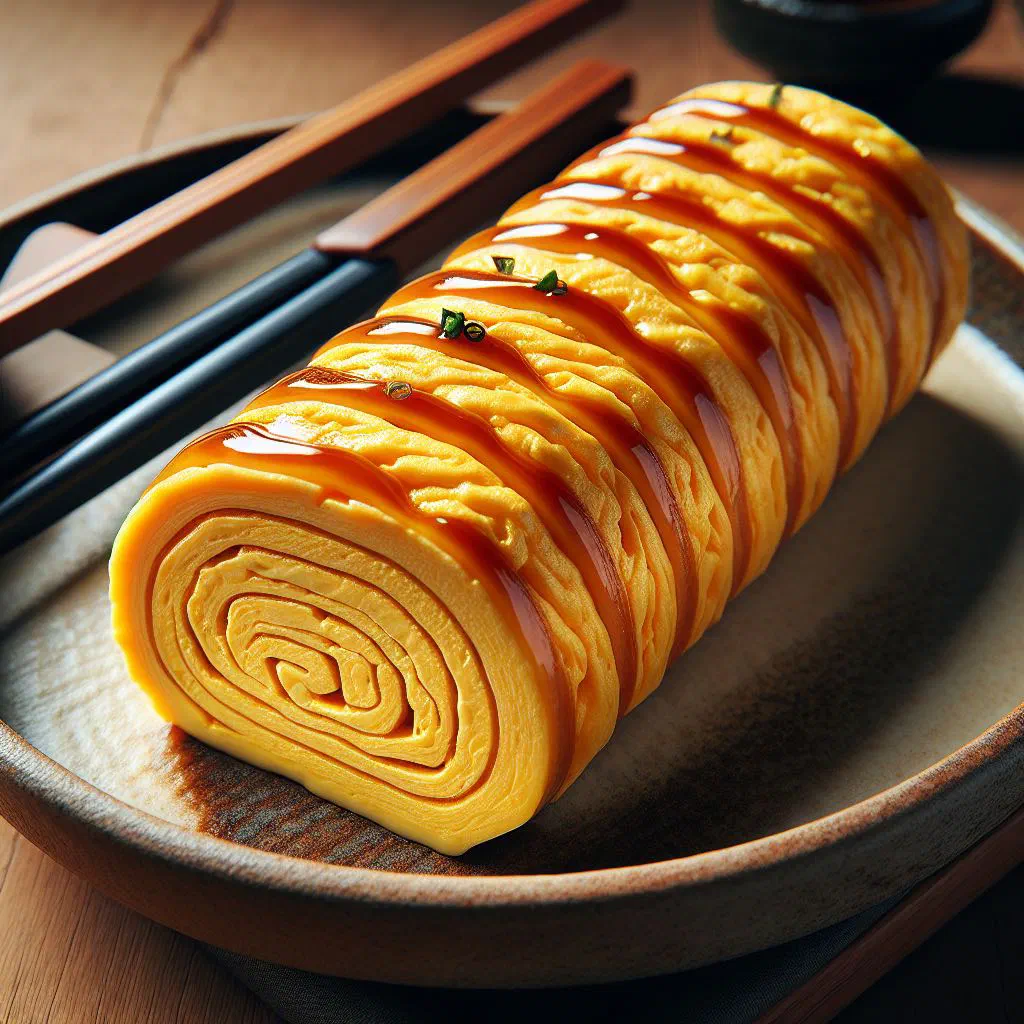
Meet Dashi-Maki Tamago, Japan’s beloved rolled omelette that turns a handful of eggs into something quietly spectacular. Folded layer upon layer in a hot pan, it pairs the natural sweetness of egg with the deep, umami-rich savour of dashi for a result that practically melts on the tongue. Glowing golden and very fluffy, it earns its place on every sushi platter, yet it is just as welcome at breakfast or as a tidy little snack. Bring a touch of Japanese craft straight to your own kitchen.
About Dashi-Maki Tamago
Dashi-Maki Tamago is far more than a simple omelette. It is a small culinary masterpiece of Japanese cooking. The marriage of eggs and dashi stock gives the dish its unmistakable flavour, savoury and faintly sweet, that seems to dissolve on the palate. You will often spot it on a sushi platter, where it can be enjoyed as a light main course or as a snack. Soft, springy and gloriously fluffy, with a bright golden hue, it is as much a feast for the eyes as for the palate.
Ingredients (serves 1–2)
- 4 large eggs
- 2 tablespoons dashi stock (choose a gluten-free version if needed)
- 1 teaspoon sugar
- 1 teaspoon soy sauce
- 1 teaspoon mirin (or a substitute for a lactose-free option)
- Oil, for frying
Shopping for the ingredients
When shopping for Dashi-Maki Tamago, pay close attention to the quality of your eggs, as they form the very foundation of the dish. Fresh eggs deliver a better flavour and a more appealing texture. The dashi stock can be bought ready-made or prepared at home, with the homemade version often tasting noticeably more intense. Asian grocery shops are the best place to track down everything you need, frequently at a higher quality than the supermarket.
Preparing the dish
Preparing Dashi-Maki Tamago is quick and refreshingly straightforward. Begin by cracking the eggs into a large bowl and whisking them thoroughly. Next, add the remaining ingredients, the dashi, sugar, soy sauce and mirin, and stir everything together well. A smooth, even mixture ensures the aromas develop uniformly as the omelette cooks. This simple groundwork is the key to a perfect result.
Step-by-step instructions
- Heat a non-stick pan over medium heat and add a small splash of oil.
- Pour a thin layer of the egg mixture into the pan and let it just set.
- Fold the omelette from the front to the back, then slide it to one side of the pan.
- Pour more egg mixture into the empty space, let it set, and repeat the folding.
- Carry on in this way until all the egg mixture has been used up.
- Carefully turn the finished omelette out onto a chopping board and slice it into pieces.
Gluten-free / lactose-free version
To make Dashi-Maki Tamago gluten-free, reach for a gluten-free soy sauce and check your dashi stock carefully, as it can sometimes contain gluten. Lactose-free mirin alternatives are also widely available. The remaining ingredients are generally both gluten- and lactose-free as standard. With these small adjustments, everyone can enjoy the dish without a second thought.
Tips for vegans and vegetarians
There are some clever alternatives for vegans who would still like to try Dashi-Maki Tamago. In place of eggs, chickpea flour mixed with water and dashi can be worked into a similar batter. Be sure to choose a plant-based dashi alternative as well. Vegetarians have an easier time, since the eggs can stay in the recipe, though it is still worth checking that the dashi stock contains no animal products.
More tips and tricks
One crucial note for cooking Dashi-Maki Tamago: getting the heat right is everything. Too high a temperature and the omelette scorches on the outside while staying runny within. The timing of each fold matters just as much for an even, tender texture. A little practice goes a long way here, helping you nail both the perfect consistency and the folding technique.
Adapting the recipe to your taste
The recipe for Dashi-Maki Tamago is easy to bend to your own preferences. Stir in extras such as spring onions, grated carrot or finely chopped greens for a different character each time. Experiment with other umami-rich additions like shiitake mushrooms or seaweed to create fresh flavours. The variations are endless, and the experimenting is half the fun.
Ingredient substitutions
If you have no dashi stock to hand, vegetable or chicken stock can step in to give the dish a slightly different flavour. The sugar can be swapped for honey or agave syrup for a different kind of sweetness. Soy sauce is easily replaced with tamari, which also keeps the dish gluten-free. As for the mirin, a dash of apple cider vinegar or rice wine vinegar lends an interesting tang. These easy swaps work much the same way they do in a Wafu Salad.
Drink pairing ideas
A number of drinks pair beautifully with Dashi-Maki Tamago. Green tea, or a gently whisked matcha, complements the dish perfectly and draws out the aromas of Japanese cooking. For a more festive mood, serve sake or a light Asian-style beer. Water with a squeeze of lemon makes a refreshing, neutral choice that sits nicely alongside the omelette’s sweet and savoury notes.
Serving and presentation ideas
Presentation can lift the enjoyment of Dashi-Maki Tamago considerably. Surprise your guests by arranging the omelette on a handsome plate and garnishing it with fresh herbs. Serve it with a small dish of dashi or soy sauce for dipping to make the whole thing feel that bit more inviting. A few crisp vegetable sticks or a small salad on the side round the dish off perfectly, much like the fresh accents in Ohitashi.
A bit of history
Dashi-Maki Tamago has a long tradition in Japanese cooking. Often served at breakfast or in sushi restaurants, it is woven into the country’s culture of hospitality and dining, and it is a popular choice for celebrations and festive occasions too. Preparing it is something of an art form, one that calls for techniques handed down through the generations, the same care that defines so much of Japanese cuisine.
More recipe ideas
Summary: Dashi-Maki Tamago
Dashi-Maki Tamago is a simple yet refined Japanese dish built from little more than eggs and dashi stock. With its fluffy texture and rich, umami-laden flavour, it is a much-loved highlight of any sushi platter and a fine snack in its own right. The recipe adapts effortlessly to all sorts of preferences, so there is a version to suit everyone. Dashi-Maki Tamago brings a wonderful new dimension to your cooking.