National Dish Japan: Fukagawa Meshi (Recipe)
In this article
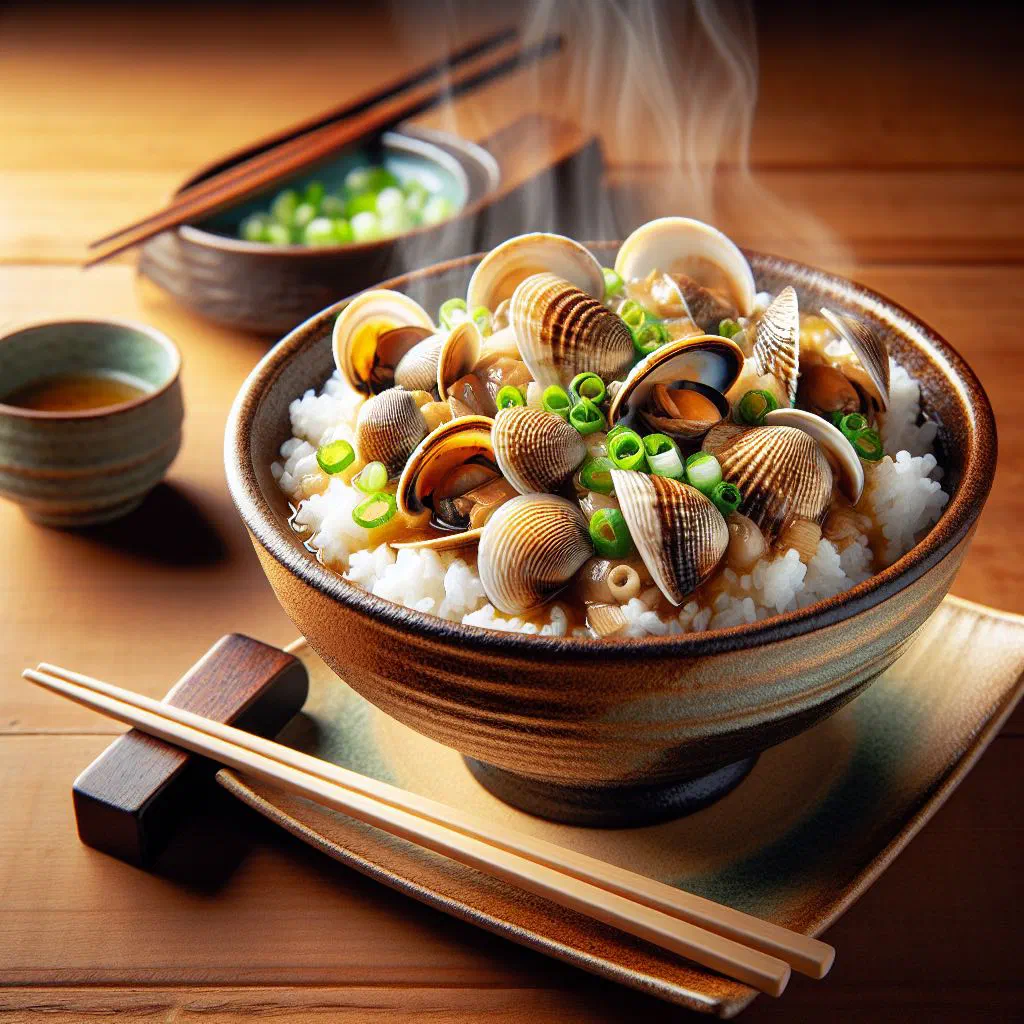
Meet Fukagawa Meshi, a comforting rice-and-clam dish that carries the soul of old Tokyo in every spoonful. Born in the riverside Fukagawa district, where fishermen once cooked plump shellfish straight into their rice, it balances the briny sweetness of fresh clams with savoury soy sauce and a whisper of mirin. Honest, humble and deeply satisfying, it brings a slice of Edo-era kitchen tradition right to your own table.
About Fukagawa Meshi
Fukagawa Meshi is a traditional Japanese dish that traces its origins to the Tokyo area. It takes its name from a famous district near the city, long celebrated for its rich shellfish beds and fertile rice paddies. With a delicious combination of freshly cooked rice and tender clams, the dish captures the very essence of Japanese home cooking. Careful preparation and a thoughtful choice of aromatic seasonings make Fukagawa Meshi a distinctive treat that wins over locals and visitors alike.
Ingredients (serves 1–2)
- 200 g risotto rice or sushi rice
- 150 g fresh clams (such as mussels or carpet-shell clams)
- 500 ml fish or vegetable stock
- 1 small onion, finely chopped
- 2 tablespoons soy sauce
- 1 teaspoon mirin (sweet rice wine)
- Fresh herbs of your choice (such as parsley or chives), to garnish
Shopping for the ingredients
When shopping for Fukagawa Meshi, it is essential to pay attention to the freshness of the clams. Visit a local fish market or a trusted supermarket that offers fresh seafood. Look for clams that are firmly closed and carry a clean, fresh sea aroma. The rice can be found in Asian grocery shops or well-stocked supermarkets, and it is worth choosing a high-quality sushi rice for the best possible flavour.
Preparing the dish
To make Fukagawa Meshi, careful preparation of the ingredients goes a long way. Start by rinsing the clams thoroughly under cold water and discarding any that are already open, as these are no longer fresh. Soak the rice in cold water for around 30 minutes; this helps loosen the grains and improves the texture of the finished dish. While the rice soaks, prepare the onion by chopping it finely so it can round out the flavour later on.
Step-by-step instructions
- Heat a little oil in a pan and sauté the chopped onion until soft and lightly golden.
- Add the soaked, drained rice and toast it for a few minutes.
- Pour in the stock, bring it to the boil, then reduce the heat.
- Add the clams, soy sauce and mirin, cover the pan and let everything simmer for about 10–15 minutes, until the rice has absorbed the liquid and the clams have opened.
- Stir the dish gently, garnish with fresh herbs and serve hot.
Gluten-free / lactose-free version
For a gluten-free version of Fukagawa Meshi, swap the regular soy sauce for gluten-free tamari. This keeps the dish full of flavour while making it suitable for anyone with a gluten intolerance. Be sure to check that your stock is also gluten-free. There is no lactose in this recipe at all, so it is naturally suitable for those who are lactose intolerant.
Tips for vegans and vegetarians
For vegans and vegetarians, Fukagawa Meshi is easy to adapt by replacing the clams with marinated mushrooms or cubes of tofu. These alternatives offer wonderful texture and flavour while keeping the dish every bit as appetising. Use a rich vegetable stock in place of fish stock to deepen the aroma. A handful of fresh herbs and a drizzle of sesame oil add extra layers of flavour that make the dish really sing.
More tips and tricks
To get the most out of Fukagawa Meshi, it helps to have all of your ingredients prepped in advance. Keep a few fresh extras to hand so you can fine-tune the flavours as you go. Experiment with different types of clam or other seafood to discover new tastes. The dish also reheats well, which makes it ideal to prepare a little ahead when you are cooking for guests.
Adapting the recipe to your taste
Adapting Fukagawa Meshi to your own preferences is simple. If you enjoy bolder, spicier flavours, add a pinch of Chinese five-spice or a few chilli flakes. For an extra hit of umami, stir a little seaweed powder through the rice. Depending on the season, you can also fold in different vegetables to create a colourful, nourishing variation. The same easygoing spirit makes a bowl of Tororo Gohan just as forgiving to tweak.
Ingredient substitutions
If some of the ingredients for Fukagawa Meshi prove hard to find, there are plenty of alternatives. The risotto rice can be swapped for Arborio rice or another short-grain variety that offers a similar consistency. In place of clams, you might use prawns or other fish for a different flavour, much as you would in a comforting bowl of Shirasu Don. Vegans will also find high-quality plant-based clam substitutes on the market, which make delicious stand-ins.
Drink pairing ideas
A number of drinks pair beautifully with Fukagawa Meshi. A lightly chilled glass of sake highlights the flavours of the dish and offers an authentic Japanese experience. Alternatively, a fresh green tea makes a lovely match, prized for its wholesome qualities. For an alcohol-free option, a sparkling ginger lemonade is a refreshing choice that complements the savoury notes perfectly.
Serving and presentation ideas
To present Fukagawa Meshi at its best, choose a beautifully decorated bowl that brings out the colours of the dish. Garnish with fresh herbs or a squeeze of lime for an extra splash of colour. Setting out small dishes of soy sauce or other dips alongside the main bowl makes the table all the more inviting. Remember that we eat with our eyes first, and an attractive presentation enriches the whole dining experience.
A bit of history
Fukagawa Meshi has a fascinating history that reaches back to the Edo period. It was cooked by labourers and fishermen in the Tokyo area and reflects both their way of life and the abundance of fresh local ingredients. Over time it grew into a cherished dish, prized for being both simple to prepare and richly flavoured. It also embodies the close bond between people and nature, bringing together fresh local seafood and traditional Japanese rice, a humble, heartfelt example of Japanese cuisine.
More recipe ideas
Summary: Fukagawa Meshi
In short, Fukagawa Meshi is a simple yet delicious dish that captures the essence of Japanese cooking. With fresh ingredients and a little loving care, it is a treat for the palate that appeals to and inspires. Its flexibility means you can tailor it to all kinds of tastes and dietary needs. Enjoy the variety and the flavours that Fukagawa Meshi has to offer, and bring a piece of Japanese culture into your own home.