National Dish Japan: Funazushi (Recipe)
In this article
Meet Funazushi, one of Japan’s oldest and most fascinating dishes, a deeply traditional form of sushi made from fermented fish and rice. Far removed from the fresh nigiri most of us know, this ancient delicacy is built on months of patient fermentation that yields an intense, tangy, profoundly umami flavour. It is a living link to a time before refrigeration, when curing fish was a matter of survival as much as taste. For the curious cook, funazushi offers a remarkable window into the artistry at the heart of Japanese cuisine.
About Funazushi
Funazushi is a unique form of sushi that originated in Japan. This traditional dish is made from fermented fish and rice, most often using freshwater fish such as carp. Producing it is a painstaking process that can take many months and celebrates the craft of fermentation in its purest form. As far back as the 8th century, the dish was developed as a way to keep fish edible for long periods, an essential technique in an era when refrigeration simply did not exist. The result is a bold, complex flavour quite unlike any modern sushi.
Ingredients (serves 1–2)
- 250 g carp fillet
- 200 g sushi rice
- 50 g salt
- 50 ml rice vinegar
- Fresh seasonings of your choice (e.g. ginger, wasabi)
Shopping for the ingredients
The first step towards making funazushi is shopping for the ingredients. Look out for fresh carp, ideally from a well-stocked fishmonger who can vouch for its quality. The sushi rice should also be of a high grade, as it forms the very foundation of the dish. Rice vinegar is another essential element: it brings out sushi’s characteristic tang and helps bring the rice to just the right consistency.
Preparing the dish
Preparing funazushi calls for some forward planning, above all because of the long fermentation. The fish must be cleaned carefully and cut into small pieces. It is then mixed with salt in a suitable bowl to kick off the fermentation process. The rice should likewise be washed thoroughly, cooked, and then combined with rice vinegar before it is layered together with the fish.
Step-by-step instructions
- Clean the carp thoroughly and cut it into pieces.
- Sprinkle the fish pieces with salt and chill for around 24 hours.
- Cook the sushi rice according to the packet instructions and leave to cool.
- Mix the rice with rice vinegar and stir well.
- Layer the fish pieces alternately with the rice in an airtight container.
- Seal the container well and leave to ferment in the fridge for at least two to three months.
- Once fermentation is complete, serve the funazushi — ideally with fresh seasonings.
Gluten-free / lactose-free version
If you would like to enjoy funazushi gluten-free and lactose-free, a few simple swaps make it possible. Use gluten-free rice, or quinoa as an alternative, to form the base of the dish. Make sure the rice vinegar you choose is also gluten-free, as many shop-bought varieties may contain traces. This gives you a version of the classic that is not only safe but every bit as tasty.
Tips for vegans and vegetarians
Funazushi lends itself to some wonderfully creative interpretations for vegans and vegetarians. A good stand-in for the fish could be marinated tofu, or vegetables such as aubergine or courgette, which take well to fermentation. These versions can offer the same long shelf life through fermentation while delivering a comparable depth of umami. Puffed rice or quinoa can serve as the base in place of the usual rice, without losing the dish’s authentic character.
More tips and tricks
When making funazushi, a handful of tips can help you perfect the dish. Experiment with different types of fish to find your favourite balance of fermentation and flavour. Use clear containers so you can keep an eye on the fermentation process as it develops. Finally, labelling your containers makes it easy to track fermentation times, especially handy when you have several batches on the go at once.
Adapting the recipe to your taste
Funazushi invites you to tailor the recipe entirely to your own palate. Try out different spices and herbs to discover your personal signature aroma. Add sesame or toasted nuts, for example, to lend the dish an extra bit of crunch. You can also vary the fermentation time to achieve a more intense or a milder flavour, exactly as you prefer.
Ingredient substitutions
Sourcing the right ingredients for funazushi can sometimes be a challenge, but a few alternatives will keep the dish both delicious and true to tradition. In place of carp, you can use other freshwater fish or even tasty seafood with a similar flavour, the kind of fish-forward thinking that also shines in Saba Miso. With the seasonings, feel free to get creative and blend your own mix of Asian aromatics to give the dish a personal touch.
Drink pairing ideas
A well-chosen drink rounds off the funazushi experience beautifully. Sake is the classic choice, its gentle, mellow character pairing wonderfully with the saltiness of the fish. Alternatively, you might serve a light, refreshing beer or a mildly aromatic green tea. These drinks help draw out the dish’s complex flavours while offering a welcome touch of refreshment, much as they do alongside a comforting bowl of Yosenabe.
Serving and presentation ideas
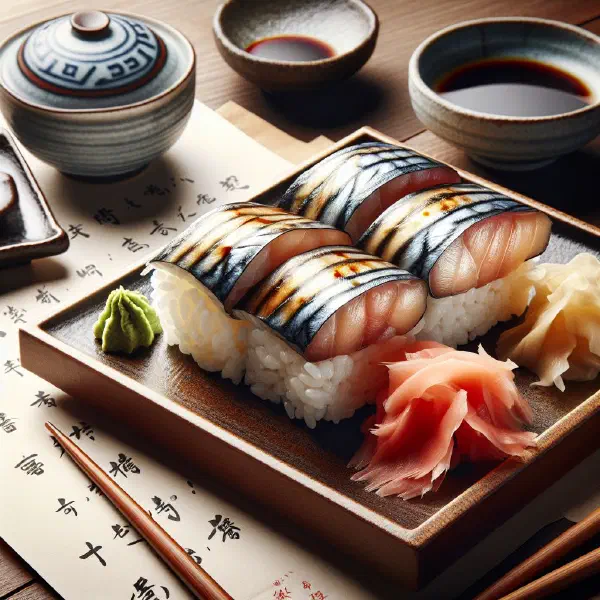
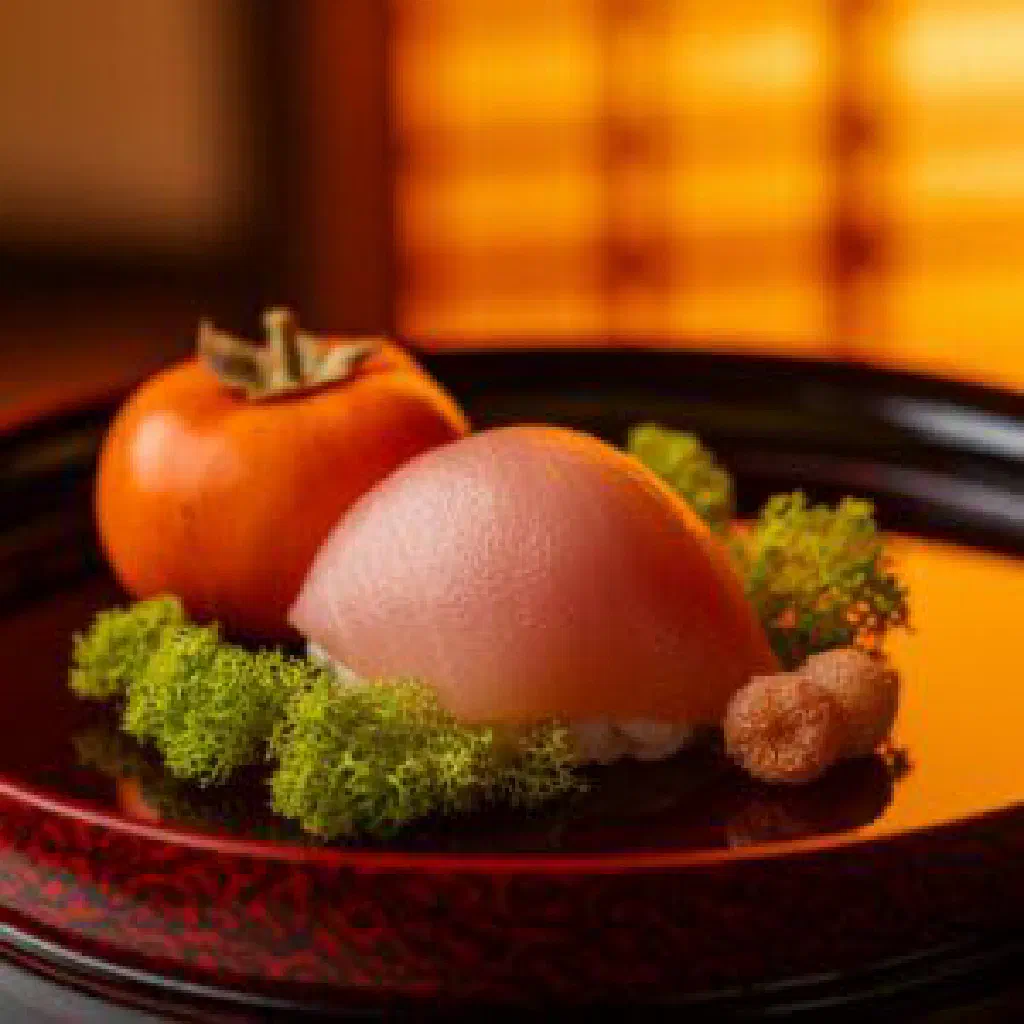
Presentation can greatly enhance the whole funazushi experience. Choose attractive plates that set off the contrast between the sushi and the tableware. Add fresh herbs or edible flowers to provide a splash of colour. The way the dish is layered and served can make a real difference too, arranging the ingredients so they are clearly visible turns each portion into something genuinely eye-catching.
A bit of history
Funazushi has a deeply rooted history in Japan stretching back to the 8th century. It was originally developed as a method of preserving fish and remains part of Japanese culinary tradition to this day. The techniques for making and fermenting funazushi have been handed down from generation to generation, standing as an example of the traditional Japanese values of self-sufficiency and respect for nature. Preserving customs like these is vital to Japan’s cultural identity, a thread that runs through all of Japanese cuisine, from this ancient ferment to the everyday Onigiri.
More recipe ideas
Summary: Funazushi
In short, funazushi is not merely a dish but a journey through Japanese history and culture. With its singular method of fermentation and its use of traditional ingredients, it offers a flavour experience like no other. The preparation demands patience and care, but the end result rewards you with something truly authentic. Let the rich variety of Japanese cooking inspire you, and discover the remarkable flavours that funazushi has to offer.