National Dish Japan: Gyoza (Recipe)
In this article
Say hello to Gyoza, Japan’s very good little dumplings with a crisp, golden base and a juicy, savoury filling tucked inside. Each delicate parcel wraps tender meat and finely chopped vegetables in a thin, pleated wrapper, then pan-fries and steams until perfectly tender. Loved everywhere from busy izakaya counters to home kitchens, gyoza are equally at home as a moreish snack or the star of the table. Bring a taste of Japan to your own kitchen with these endlessly satisfying bites.
About Gyoza
Gyoza are traditional Japanese dumplings, prized around the world for their distinctive taste and wonderfully versatile preparation. They are typically filled with tender meat, usually pork or chicken, along with freshly chopped vegetables. The dough is rolled out thinly and then folded around the savoury filling to seal it in. With their combination of a crisp exterior and a juicy interior, gyoza are a genuine treat and perfect for any occasion.
Ingredients (serves 1–2)
- 250 g minced pork or chicken
- 100 g spring onions, finely chopped
- 50 g carrots, grated
- 1 tablespoon soy sauce
- 1 teaspoon fresh ginger, grated
- 1 packet gyoza wrappers
- 2 tablespoons sesame oil, for frying
- Water, for steaming
Shopping for the ingredients
To make gyoza you will need a handful of ingredients that are usually easy to find in an Asian grocery. The gyoza wrappers are often sold frozen, so make sure they are fully thawed before you begin. It is worth choosing fresh ingredients such as spring onions and carrots to get the very best flavour. You might also consider organic meat alternatives if you would like to create a lighter, more wholesome version of the dish.
Preparing the dish
Before you start assembling the gyoza, it pays to get all of your ingredients ready. First, combine the meat in a bowl with the chopped spring onions and the grated carrot. Add the soy sauce and ginger to give the filling a bold, savoury depth. Mix everything thoroughly so the aromas have a chance to develop and blend together harmoniously.
Step-by-step instructions
- Carefully remove the gyoza wrappers from the packet and lay them out on a clean plate.
- Place a teaspoon of the filling into the centre of each wrapper.
- Brush the edges of the wrapper with a little water to help them stick together.
- Fold the wrapper over and press the edges firmly to seal in the filling.
- Heat a pan with the sesame oil and fry the gyoza flat-side down until the bases are golden brown.
- Add a splash of water to the pan and cover with a lid so the gyoza can steam.
- After about five minutes, remove the lid and arrange the gyoza on a plate to serve.
Gluten-free / lactose-free version
For a gluten-free version of gyoza, you can use special gluten-free wrappers, which are now available in many supermarkets. Make sure all of your other ingredients are gluten-free too, particularly the soy sauce, which can be swapped for tamari. For a lactose-free preparation it is generally enough to stick to plain meat or plant-based alternatives. Plenty of delicious fillings can be made without any dairy at all, so you can enjoy the full flavour of gyoza with no compromise.
Tips for vegans and vegetarians
If you would like to make a vegan or vegetarian version, you can replace the meat with tofu or mushrooms. Be generous when seasoning the vegetables to bring out their flavour. Carrots, spinach and other vegetables make perfect fillings for gyoza. Using vegan soy sauce or other plant oils is also easy to do and delivers a rich, rounded taste with no animal products at all, much like the meat-free spirit of Nattō.
More tips and tricks
One of the most important things when folding gyoza is the technique: try to seal the edges well so none of the filling escapes during cooking. To make the gyoza even crispier, use a little more oil at the start and adjust the heat as you go. When serving, you can also whip up a dipping sauce of soy sauce, vinegar and chilli oil to intensify the flavour even further. Experiment with different seasonings in the filling to suit your own preferences.
Adapting the recipe to your taste
Of course, the gyoza recipe is easy to make your own. Feel free to use different vegetables or vary the filling depending on what you fancy. A sweeter filling with pan-fried apples, for example, can make for an intriguing change. If you like things spicy, you can add more ginger or a spoonful of chilli paste to give the gyoza just the right amount of heat.
Ingredient substitutions
Instead of minced pork, you could use minced beef or chicken to create different flavour profiles. If you prefer a vegetarian option, lentils or beans work well in place of meat. The wrapper is flexible too, with many gluten-free and vegan options now on the market. For an extra Asian accent, try adding vegetables such as pak choi or shiitake mushrooms, the same kind of comforting vegetables that shine in a bowl of Yosenabe.
Drink pairing ideas
Gyoza go beautifully with a range of drinks, depending on your taste and the occasion. A freshly brewed green tea is a classic companion that complements their flavours perfectly. Alternatively, a light, fruity sake or an Asian-inspired cocktail can lend a festive feel to the meal. For a non-alcoholic option, iced tea or freshly squeezed lime juice makes a refreshing choice.
Serving and presentation ideas
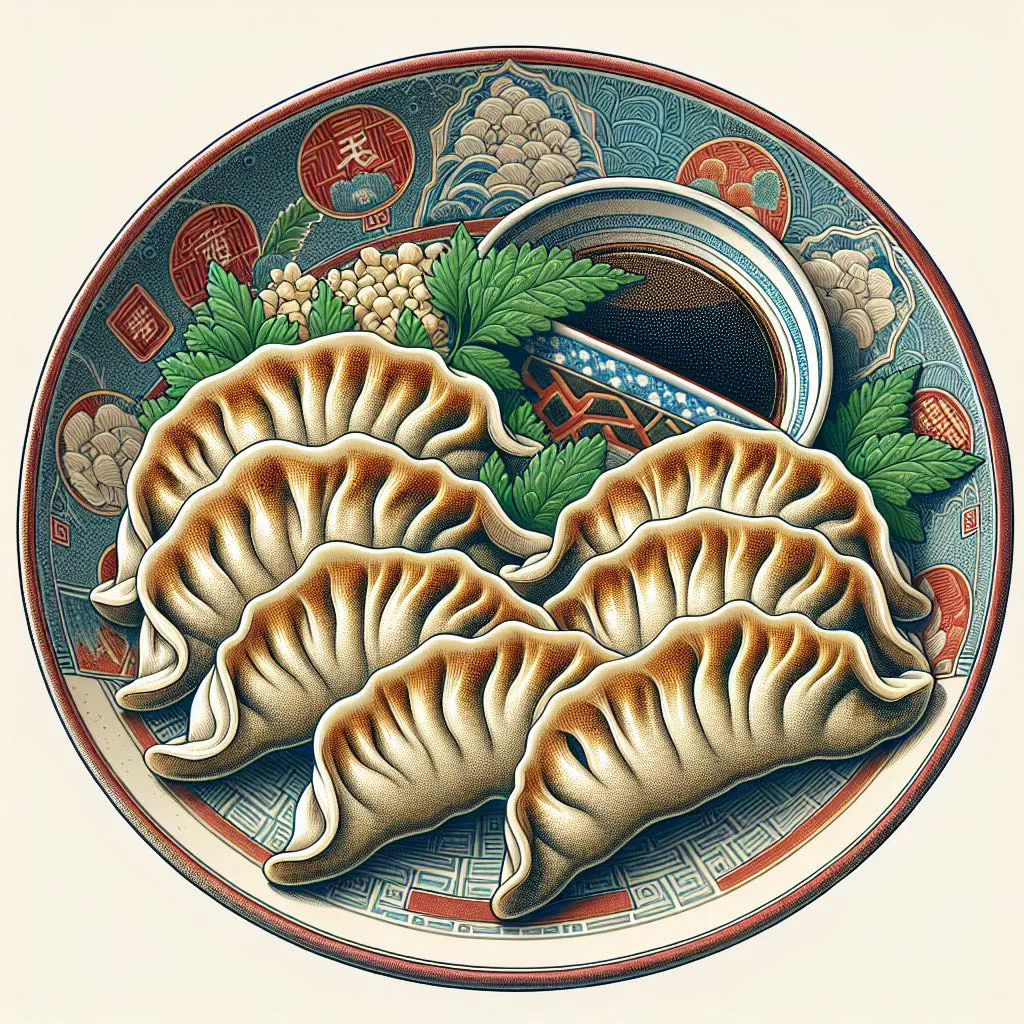
To serve gyoza attractively, arrange them on a pretty plate, garnished with a few fresh herbs or a scattering of sesame seeds. A small dipping dish of soy sauce and sesame oil alongside makes the whole spread even more inviting. You might also add edible flowers or a handful of green leaves as decoration. Take care to line the gyoza up neatly so the meal looks as professional as it tastes.
A bit of history
Gyoza trace their roots to Chinese cuisine and gradually grew popular in Japan over time. They were first recorded in the late 19th century, originally appearing as a kind of sweet pastry. In Japan the fillings and methods of preparation evolved considerably, and today gyoza are among the most beloved dishes in Japanese cuisine. Their popularity comes from how simple they are to make and how readily they can be adapted to personal taste, a quality they share with quick favourites like Karaage.
More recipe ideas
Summary: Gyoza
Gyoza are versatile, delicious and wonderfully easy-to-make dumplings that can elevate any meal. They are both tasty and adaptable. There are countless variations to explore, so everyone can find their own personal favourite. With fresh ingredients and a little creativity, anyone can conjure up delicious gyoza and bring the flavours of Japan straight into their own kitchen.