National Dish Japan: Hōtō Nabe (Recipe)
In this article
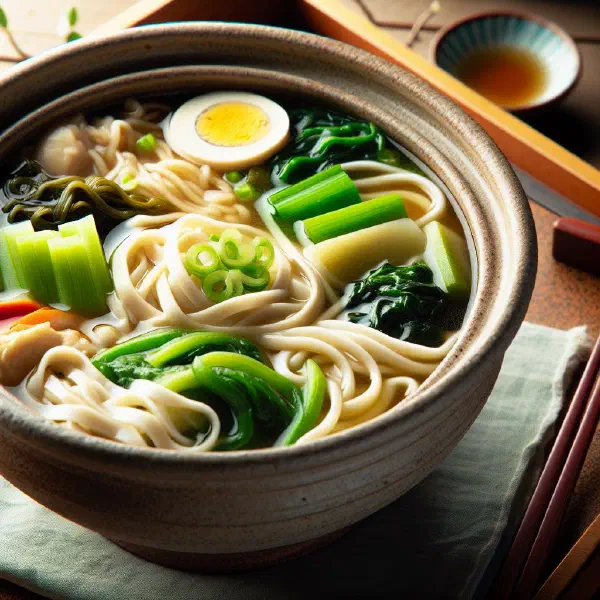
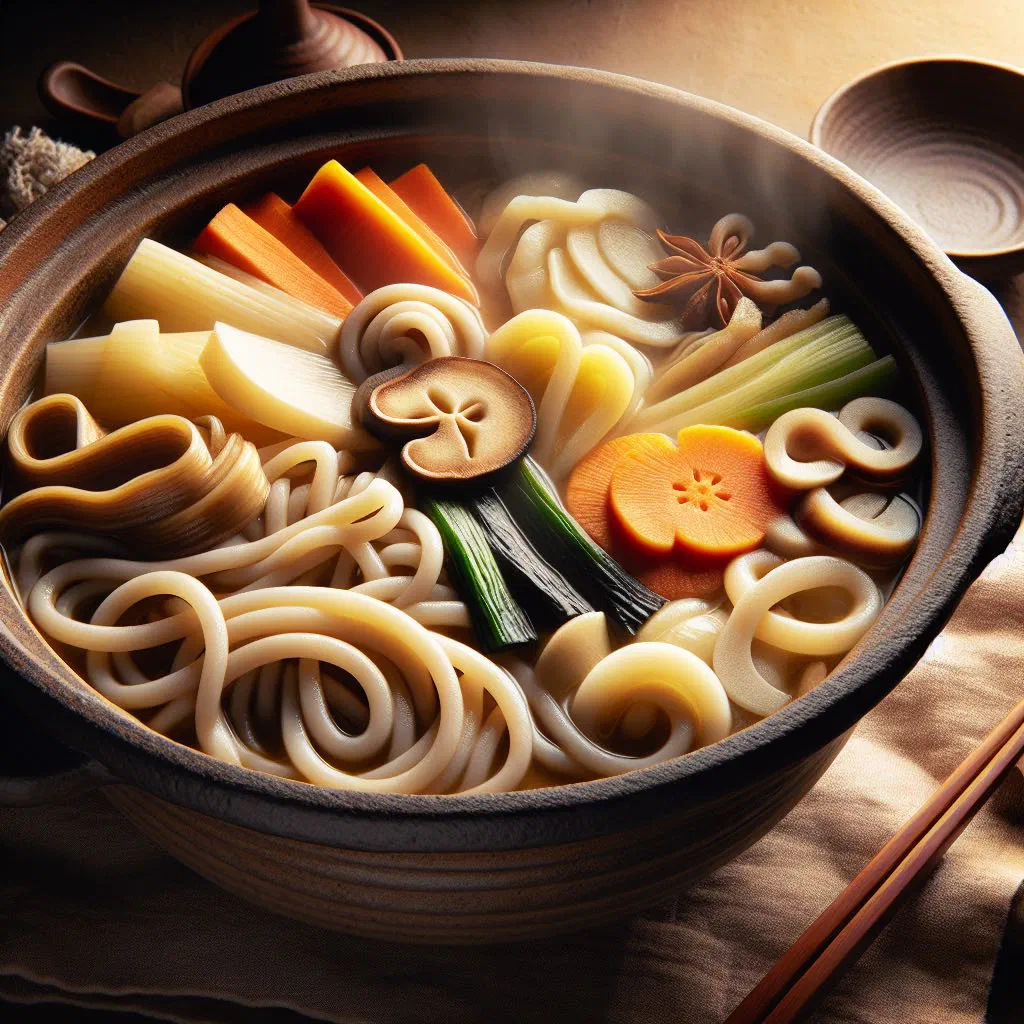
Warm up with Hōtō Nabe, a soul-soothing noodle hotpot from Japan’s mountainous Yamanashi region. Thick, chewy udon noodles simmer alongside seasonal vegetables in a fragrant broth, creating a bowl that is as nourishing as it is comforting. It is the kind of dish you crave on a cold, blustery evening, hearty, generous and utterly satisfying. Bring a taste of rural Japan straight to your own kitchen and let the steam rise.
About Hōtō Nabe
Hōtō Nabe is a traditional Japanese dish that hails from the scenic Yamanashi region. It is a hearty noodle soup that comes into its own on cold days, built around thick udon noodles, fresh vegetables and an aromatic broth that gives the dish its distinctive character. This combination makes Hōtō Nabe not only deeply nourishing but a genuine comfort food for the soul. Like the best of Japanese home cooking, it is rustic, wholesome and endlessly welcoming.
Ingredients (serves 1–2)
- 200 g fresh udon noodles
- 1 litre vegetable or chicken stock
- 1 carrot, sliced
- 1 courgette, diced
- 1/2 head of napa cabbage, cut into strips
- 100 g shiitake mushrooms (or other mushrooms), sliced
- 2 spring onions, sliced into rings
- 2–3 tablespoons soy sauce
- 1 teaspoon sesame oil
- Fresh coriander or parsley, to garnish
Shopping for the ingredients
To make Hōtō Nabe, it is worth choosing the freshest ingredients to bring out the dish’s full flavour. Visit a local Asian grocery or a well-stocked supermarket to find the udon noodles and the special vegetables you need. Take care to pick a good-quality stock, as it forms the very foundation of the dish. If you have trouble tracking down some of the ingredients, online shops that specialise in Japanese groceries are a reliable alternative.
Preparing the dish
Preparing Hōtō Nabe is straightforward and uncomplicated. Begin by washing the vegetables thoroughly and cutting them into the right shapes and sizes. Make sure you have plenty of udon noodles ready, as they are wonderfully filling. It is also worth getting the broth going in advance so the flavours have time to meld and develop into a harmonious whole.
Step-by-step instructions
- Heat the sesame oil in a large pot over medium heat and add the sliced mushrooms. Sauté the mushrooms until lightly browned.
- Add the carrot and courgette pieces to the pot and let them soften for a few minutes.
- Pour in the stock and bring everything to the boil. Reduce the heat and let the soup simmer for about 10 minutes.
- Add the napa cabbage and the udon noodles to the pot and cook for a further 5–7 minutes, until the noodles are tender.
- Season the soup with soy sauce to taste and garnish with spring onions and fresh coriander or parsley.
Gluten-free / lactose-free version
For a gluten-free version of Hōtō Nabe, you can swap the udon noodles, which are usually made from wheat flour, for rice noodles. Make sure the stock and soy sauce are gluten-free too, and check the labels carefully when shopping to avoid cross-contamination. The dish is also easily made lactose-free: simply use a lactose-free stock and skip any dairy products altogether.
Tips for vegans and vegetarians
Vegans and vegetarians can adapt Hōtō Nabe with ease by using a plant-based stock and leaving out any animal products. When it comes to the vegetables, you have free rein to choose your favourites. You might also add tofu to make the dish more protein-rich. Take care that the soy sauce you use is vegan, as some varieties can contain fish-based ingredients.
More tips and tricks
To get the very best out of your Hōtō Nabe, try adding spices and aromatics such as ginger or garlic for extra depth of flavour. A little chilli lends the dish a pleasant warmth. Experiment with the consistency of the broth by adjusting how much stock you add, to achieve either a thicker or a thinner soup. Trying out different vegetables will also keep things interesting and bring new flavour combinations to the table.
Adapting the recipe to your taste
Hōtō Nabe is an exceptionally flexible dish that is easy to tailor to personal preference. Feel free to fold in your favourite vegetables or whatever happens to be in season. If you are feeling adventurous, you might try different noodle varieties to put your own stamp on it, the same spirit that makes a bowl of Ankake Udon so satisfying. The versatility of the recipe means you can keep dreaming up new combinations and never tire of it.
Ingredient substitutions
If some ingredients are unavailable or simply not to your taste, there are plenty of alternatives to hand. In place of shiitake mushrooms, you can use button mushrooms or any other variety you prefer. If you cannot find napa cabbage, Chinese leaf makes an excellent stand-in. Be creative and adapt the recipe to what you have in the fridge to put together a delicious meal, much as you might when building a hearty bowl of Yosenabe.
Drink pairing ideas
A handful of drinks round off Hōtō Nabe beautifully. A cold Japanese beer, such as Sapporo or Asahi, is a popular choice that complements the dish perfectly. For tea lovers, a warm cup of green tea is ideal, refreshing the palate while gently underscoring the flavours of the food. If you prefer something a little sweeter, a glass of plum wine (umeshu) makes for an interesting accompaniment.
Serving and presentation ideas
Presentation contributes a great deal to the overall experience of the meal. You can serve Hōtō Nabe in a traditional Japanese serving bowl and garnish it with fresh herbs to add colour and freshness. Using attractive tableware enhances the appeal of the dish and the appreciation of it. Small dishes of soy sauce or other dips can add to the presentation too, inviting your guests to explore the flavours for themselves.
A bit of history
The roots of Hōtō Nabe reach back to the Edo period and are closely tied to the farming life of the Yamanashi region. The dish was originally prepared by farmers to feed their families through the cold winter months. The broth, made simply from vegetables and water, reflects the everyday cooking of the region. It is not merely a nourishing dish but also a symbol of the tradition and culture of Japanese cuisine.
More recipe ideas
Summary: Hōtō Nabe
Hōtō Nabe is a very good and nourishing dish that carries the very essence of Japanese cooking. With its hearty broth, fresh ingredients and straightforward preparation, it is perfect for sociable evenings or cold winter days. Enjoy the authentic flavour of Japan right in your own kitchen.