National Dish Japan: Hōtō (Recipe)
In this article
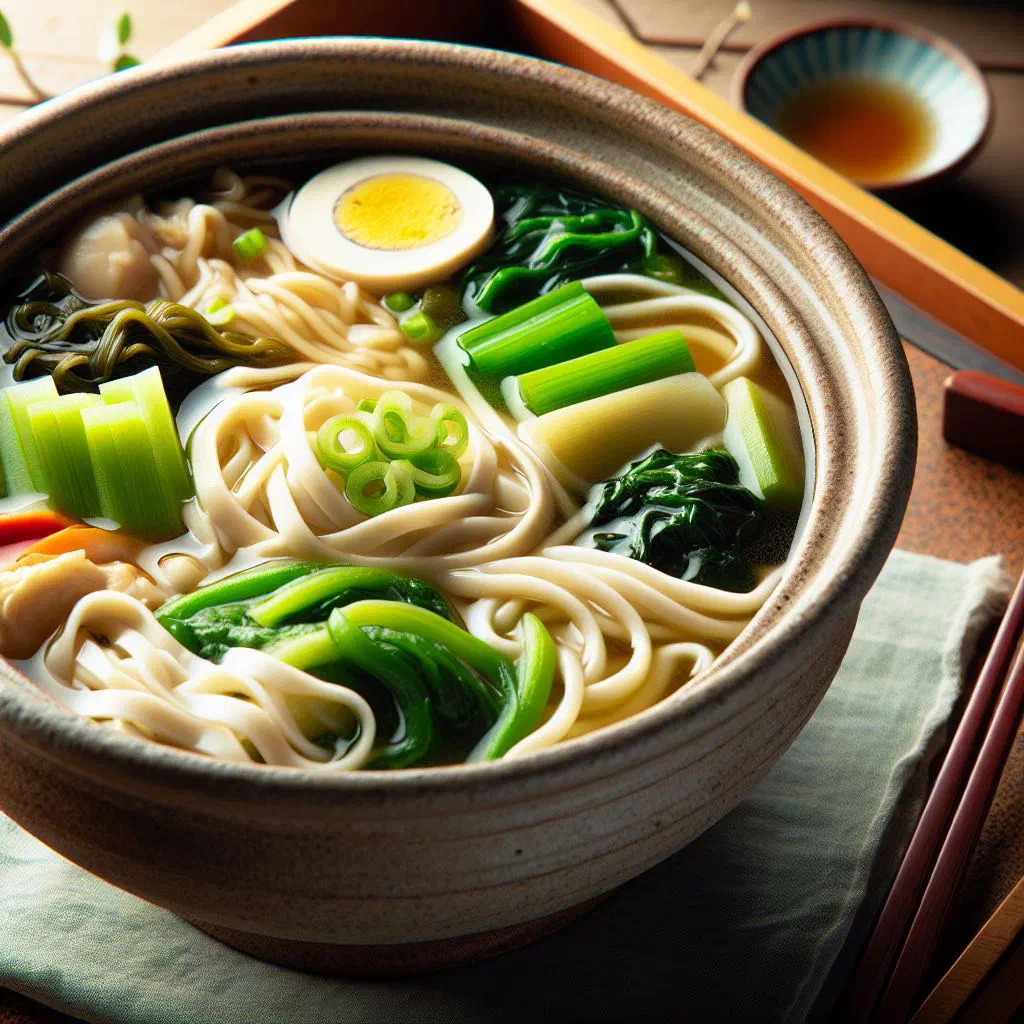
Warm yourself from the inside out with Hōtō, a rustic noodle soup from the heart of Japan. Broad, hand-made udon noodles simmer gently in a fragrant miso broth alongside chunks of sweet pumpkin, earthy mushrooms and fresh spring onions. Simple to put together yet wonderfully satisfying, this is the kind of bowl that brings real comfort on a cold day, a taste of Japan that feels like a hug in a bowl.
About Hōtō
Hōtō is a traditional Japanese soup, often made with whatever regional vegetables are in season. The udon noodles are lovingly shaped by hand, which gives every mouthful a particular character. To deepen the flavour, the broth is enriched with fresh vegetables such as pumpkin, mushrooms and spring onions. A touch of miso rounds everything off, lending the soup a distinctive savoury note that captures the flavours of Japan beautifully. The result is a hearty, warming dish that is as nourishing as it is comforting.
Ingredients (serves 1–2)
- 200 g udon noodles
- 1 litre vegetable stock
- 2 tablespoons miso paste
- 100 g pumpkin, cut into chunks
- 100 g shiitake mushrooms, sliced
- 2 spring onions, cut into rings
- 1 tablespoon soy sauce
- 1 piece of ginger, grated
- Fresh coriander, to garnish
Shopping for the ingredients
The fresh ingredients for hōtō are easy to find in Asian supermarkets or well-stocked grocery shops. Try to choose fresh udon noodles, as their quality has a real impact on the flavour of the finished soup. Miso paste comes in several varieties, but for hōtō we recommend a lighter miso paste, which has a gentler, more rounded taste. It is also worth picking seasonal vegetables to make the most of the dish’s flavour and freshness, much like you would for a comforting bowl of Yosenabe.
Preparing the dish
Begin by getting all your ingredients ready. The vegetables should be washed carefully and cut into the sizes called for in the recipe. The udon noodles usually need only a short cooking time, so prepare them according to the instructions on the packet. Where you can, cut the vegetables into even pieces so they cook at the same rate in the broth.
Step-by-step instructions
- Bring the vegetable stock to the boil in a large pan.
- Add the miso and stir well until it has completely dissolved.
- Add the pumpkin and the shiitake mushrooms to the broth and leave to simmer for about 10 minutes.
- Add the udon noodles and cook according to the packet instructions, usually around 5–7 minutes.
- Finally, stir in the spring onions and grated ginger, give everything a quick stir and take the pan off the heat.
Gluten-free / lactose-free version
For a gluten-free version of hōtō, you can swap the udon for rice noodles or courgette noodles. Do check that the miso paste you use is gluten-free, as this is especially important in Asian cooking. The broth can be adjusted too: simply make sure it is free of animal products to keep the dish lactose-free. With these small tweaks, hōtō becomes accessible to a wide range of diets without losing any of its character.
Tips for vegans and vegetarians
This dish is easy for vegans to enjoy by sticking to a plant-based stock and miso paste. Take care that the miso contains no animal products, as some varieties include fish-based ingredients. The vegetables can also be varied as you like to suit personal taste. For a more substantial bowl, try adding tofu or tempeh, which bring extra protein and make the soup that bit heartier, the same trick that works well in a bowl of Tonjiru.
More tips and tricks
To intensify the flavours, you can add different seasonings as the soup cooks, such as chilli or garlic. The broth can also be enriched with seaweed or other seafood to boost its umami depth. Another handy tip is to let the vegetables rest in the broth for a moment so they soak up more of the flavour. And don’t forget, a scattering of fresh coriander or chives on top makes the whole bowl that much more inviting.
Adapting the recipe to your taste
The lovely thing about hōtō is just how easily it bends to personal preference. Depending on what is in season, you can use all sorts of different vegetables. If you like a bit of heat, throw in some fresh chillies or a grind of pepper. Playing with different types of miso is another way to shift the flavour and make the soup truly your own.
Ingredient substitutions
If you cannot get hold of udon noodles, soba noodles or rice noodles make an excellent stand-in. For the broth, you might prefer to make your own vegetable stock for a deeper, more intense flavour. Instead of miso, a combination of tomato purée and soy sauce can create interesting savoury notes of its own.
Drink pairing ideas
A hearty bowl of hōtō pairs best with light, refreshing drinks. Green tea or jasmine tea are the traditional choices and round off the experience perfectly. For an alcohol-free alternative, try sparkling water with a squeeze of lemon. These drinks sit beautifully alongside the savoury warmth of the soup and make for a relaxed, unhurried meal.
Serving and presentation ideas
Presentation can lift the whole hōtō experience. Serve the soup in traditional Japanese bowls and garnish with fresh coriander or a few extra spring onions. The way you arrange the vegetables matters too. Aim for a harmonious mix of colours. A little visual treat like this can do a great deal to heighten the pleasure of the dish.
A bit of history
Hōtō has its roots in the Japanese province of Yamanashi, where it remains a much-loved local speciality. The dish is especially popular in the autumn and winter months and is often served at family gatherings and festivals. The way hōtō is made has been handed down across generations, and over time it has become a symbol of warmth and togetherness. To enjoy a bowl of hōtō is to taste its flavours and a piece of Japanese culture, the very spirit you find throughout Japanese cuisine.
More recipe ideas
Summary: Hōtō
Hōtō is far more than a simple noodle soup; it is an expression of Japanese culture and tradition. The combination of hand-made udon noodles, a miso base and fresh vegetables makes this dish uniquely delicious and nourishing. Whether in the depths of winter or at a relaxed gathering with friends, hōtō brings warmth and comfort to the table. Give it a try and discover the flavours of Japan for yourself.