National Dish Japan: Ikameshi (Recipe)
In this article
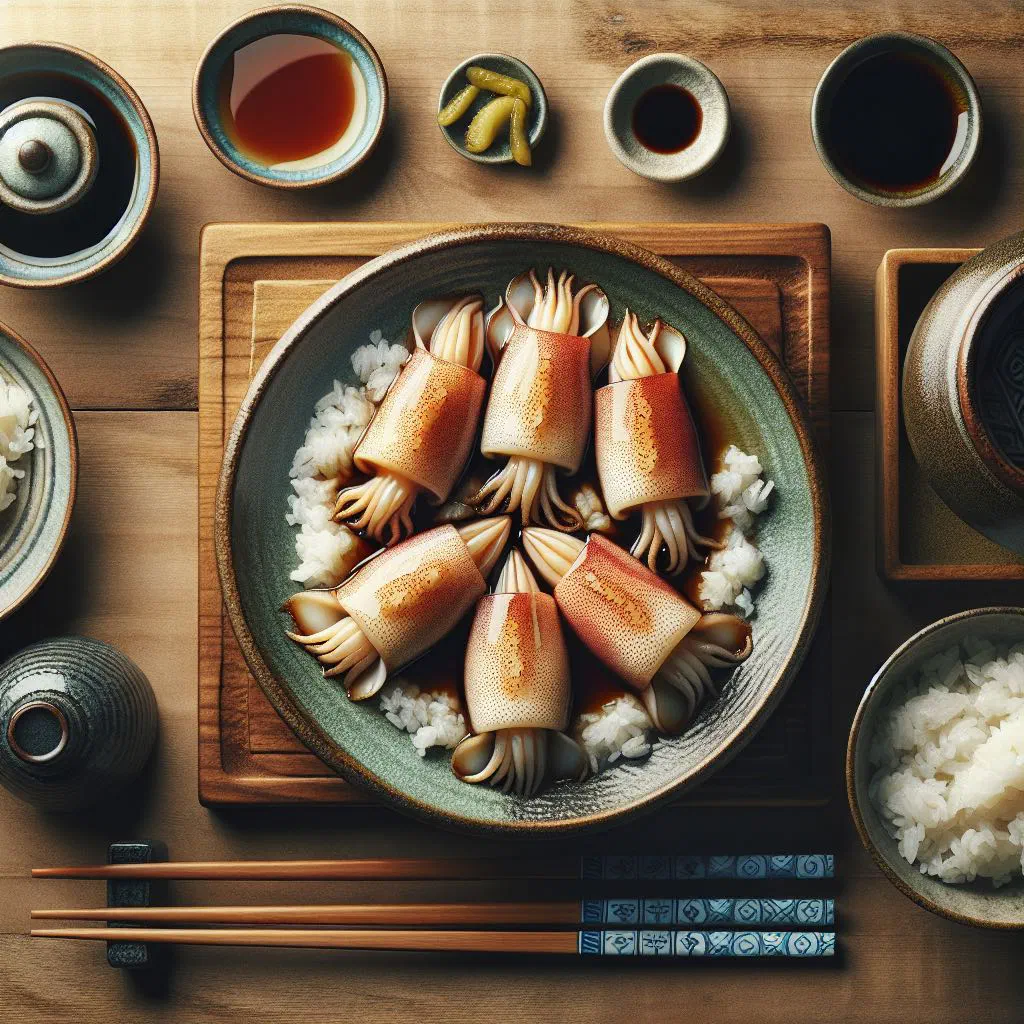
Meet Ikameshi, a treasured taste of the Japanese coast where the briny flavours of the sea meet the comforting warmth of rice. Whole squid are stuffed with seasoned grains and gently simmered in a fragrant soy sauce broth until tender and glossy. The result is as beautiful to look at as it is satisfying to eat, a dish that, in many parts of Japan, is a symbol of hospitality and quiet culinary skill. Bring a little of the Japanese seaside into your own kitchen.
About Ikameshi
Ikameshi is a traditional Japanese dish that brings together the flavours of the ocean and the hearty character of rice. Stuffed squid, slowly braised in a savoury soy sauce broth, offers a truly distinctive eating experience. The pairing of freshly caught squid with delicately seasoned rice is wonderfully tasty and a feast for the eyes. Across many regions of Japan, this dish is regarded as a mark of generosity and good cooking, and it sits comfortably among the most beloved classics of Japanese cuisine.
Ingredients (serves 1–2)
- 2 medium squid
- 100 g rice (short-grain, ideally sushi rice)
- 2 tablespoons soy sauce
- 1 tablespoon mirin (sweet rice wine)
- 1 small onion, finely chopped
- 1–2 cloves garlic, chopped
- 1 teaspoon fresh ginger, grated
- Water, as needed
Shopping for the ingredients
When making Ikameshi, it is important to seek out fresh ingredients. Visit your local fishmonger or a well-stocked store to be sure the squid are as fresh as possible. The rice is best sourced from an Asian grocery, where you can rely on good quality. Take care, too, to choose the other ingredients, such as soy sauce, mirin and the aromatics, at a decent standard, since they have a marked effect on the final flavour of the dish.
Preparing the dish
Before you begin cooking Ikameshi, it pays to have everything prepared. The rice must be rinsed thoroughly to wash away excess starch, then left to soak for around 30 minutes so it cooks to the right consistency. The squid should be cleaned gently, taking care not to damage the tentacles. Chopping the onion, garlic and ginger at the same time helps to cut down on overall preparation time and keeps the process running smoothly.
Step-by-step instructions
- Drain the soaked rice, then bring it to the boil in a pan with twice its volume of water.
- In a frying pan, sweat the onion, garlic and ginger in a little oil until fragrant.
- Add the rice to the onion mixture and stir well to combine.
- Spoon the mixture into the squid and secure the openings with a cocktail stick or kitchen string.
- Place the stuffed squid in a dish and pour over the soy sauce and mirin.
- Simmer over medium heat for 20–30 minutes, until the squid is tender.
- Optional: cover with cling film to lock in the aromas.
Gluten-free / lactose-free version
For anyone who needs to watch their gluten or lactose, there are easy alternatives for Ikameshi. Use a gluten-free soy sauce made from tamari to ensure the dish suits your needs. The remaining ingredients are usually lactose-free, but do check that none contain any dairy. These small adjustments make it simple to cook for particular dietary requirements without losing the spirit of the dish.
Tips for vegans and vegetarians
Vegans and vegetarians can enjoy Ikameshi too, by swapping the squid for stuffed vegetables or mushrooms. Hollowed-out courgettes or peppers, for example, make an excellent stand-in. Cook the rice with an aromatic vegetable stock and a similar seasoning profile to keep that satisfying depth of flavour. Experiment with different vegetables and combinations to create a vegan version that is entirely your own.
More tips and tricks
When preparing Ikameshi, a few pointers will help you achieve a perfect result. Always take care not to cook the squid for too long, or it can turn rubbery. Let the flavours soak in during braising by stirring the dish from time to time. A little creativity with the seasoning goes a long way too, a dash of sesame oil or a pinch of chilli adds extra dimensions to the finished plate.
Adapting the recipe to your taste
One of the great strengths of Ikameshi is its versatility. Adjust the filling to suit your preferences by adding different herbs or a splash of citrus. Some like a sharper kick with chilli or fresh herbs, while others prefer it mild and simple. Enjoy the process of making it your own. It will help you arrive at the perfect dish for your palate.
Ingredient substitutions
In the kitchen it always pays to be resourceful with ingredients. If you cannot find a particular component for Ikameshi, there is often an alternative to hand. In place of mirin, for instance, you might use a combination of water and sugar, or a splash of rice vinegar, much like the gentle sweet-and-sour balance found in Sakana no Nanbanzuke. You can also reach for another short- or medium-grain rice to vary the texture, just as you would in an Onigiri. Experiment and discover what works best for you.
Drink pairing ideas
A range of drinks pairs beautifully with Ikameshi, complementing the flavours of the dish. A lightly chilled, dry sake is the classic choice and underlines the taste of the seafood. Alternatively, you could serve green tea or a light, crisp beer to balance the richness of the soy sauce. Try out a few options to find the combination that best suits your evening.
Serving and presentation ideas
When it comes to serving Ikameshi, a little creativity helps to show the dish off well. Arrange the stuffed squid carefully on an elegant plate, sliced into rings, they reveal the rice within, and garnish with fresh herbs or a squeeze of lemon for colour and brightness. Use small bowls for any sides to round out the overall picture. A thoughtful presentation lifts not only the appearance but the whole enjoyment of the meal.
A bit of history
The story of Ikameshi reaches far back and is closely tied to Japan’s maritime culture. Originally conceived as a simple meal for fishermen, the dish grew over time into a much-loved delicacy and came to symbolise the country’s traditional eating habits. Regionally there are countless variations, reflecting the rich culinary diversity of Japan. Ikameshi stands for gastronomic pleasure and for a deep appreciation of nature and its resources.
More recipe ideas
Summary: Ikameshi
In short, Ikameshi is a captivating dish that appeals to with its flavours while remaining deeply rooted in Japanese culture. With fresh ingredients and a straightforward method, you can bring a piece of Japan into your own kitchen. Experiment with fillings and presentations to add a personal touch. Savour the aromas and the craft of cooking as you prepare this traditional dish, and enjoy every bite.