National Dish Japan: Imoni (Recipe)
In this article
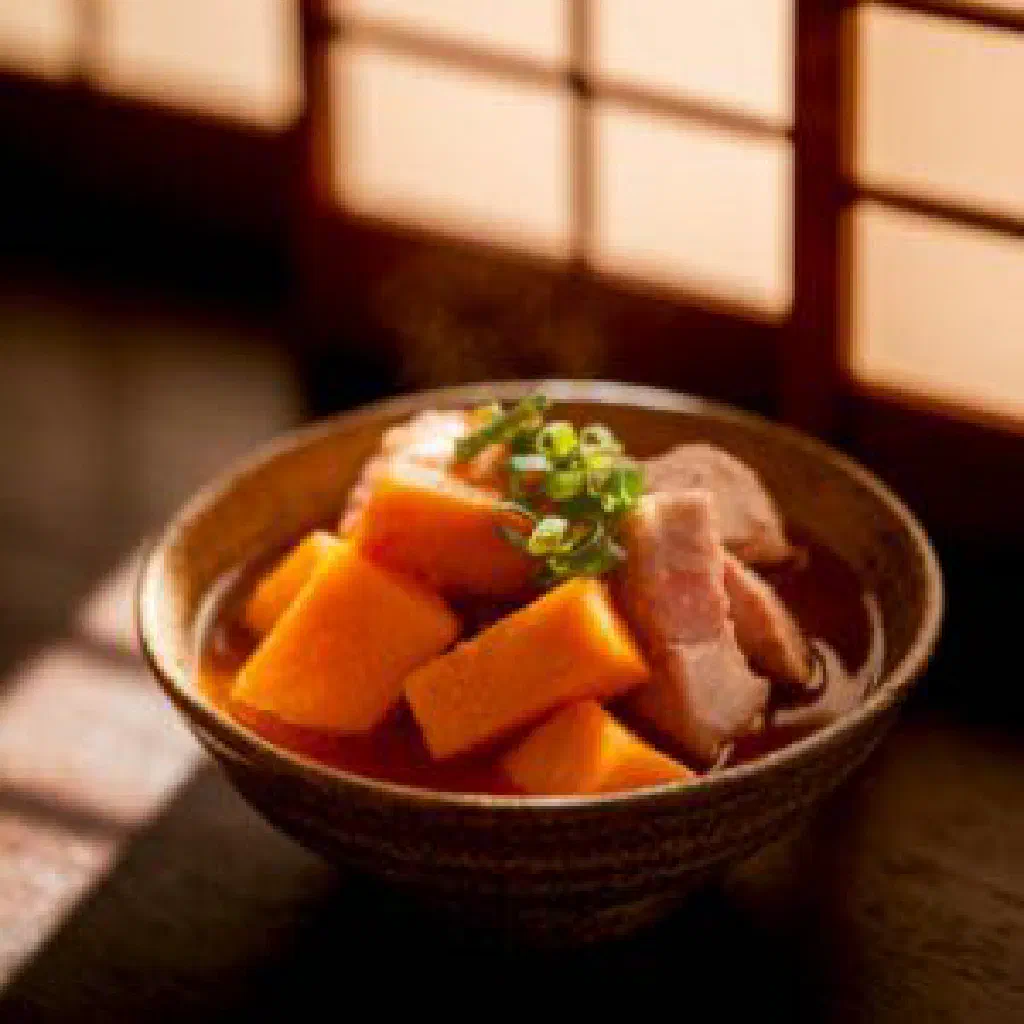
Meet Imoni, a heart-warming Japanese hotpot that comes into its own once the autumn chill sets in. This rustic, nourishing dish brings together earthy root vegetables and tender meat or tofu in a fragrant, gently sweet broth. Especially beloved in Yamagata Prefecture, it is the kind of food made for sharing, simmered in a big pot and enjoyed in good company. Bring a little Japanese cosiness to your own table with every comforting spoonful.
About Imoni
Imoni is a traditional Japanese dish prized above all in the colder months of the year. This hearty one-pot meal combines the flavours of root vegetables with tender meat or tofu, offering an unbeatable mix of taste and nourishment. It is especially popular in Yamagata Prefecture, where it is often enjoyed at sociable gatherings with friends and family. Preparing this dish brings warmth to the table and the delicious, authentic flavours of Japan in a single bowl.
Ingredients (serves 1–2)
- 2–3 medium potatoes
- 1 sweet potato
- 2 carrots
- 150 g beef or tofu
- 500 ml stock (vegetable or beef)
- 3 tablespoons soy sauce
- 2 tablespoons mirin
- 1 tablespoon sesame oil
- Spring onions, to garnish
Shopping for the ingredients
For imoni, it is worth choosing fresh, good-quality ingredients. Make sure the potatoes and vegetables are free of bruises or discolouration. Asian or well-stocked supermarkets are good places to find authentic tofu and proper soy sauce, both of which give the dish its characteristic flavour. Mirin is also available in well-stocked shops and lends the broth a pleasant sweetness that rounds the whole dish off beautifully.
Preparing the dish
Before you start cooking imoni, it is important to get all the ingredients ready. The potatoes, sweet potatoes and carrots should be peeled and cut into even cubes so they cook through uniformly. If you opt for beef, cut it into small pieces too. If you prefer tofu, press it to remove excess moisture before cutting it into cubes. This groundwork is key to the best possible flavour and texture in the finished dish.
Step-by-step instructions
- Heat the sesame oil in a large pot.
- Add the beef or tofu and sauté briefly until lightly browned.
- Add the diced potatoes, sweet potatoes and carrots to the pot and stir well.
- Pour in the stock and bring everything to the boil.
- Reduce the heat and let the mixture simmer for about 20–30 minutes, until the vegetables are tender.
- Stir in the soy sauce and mirin.
- Serve the dish hot, garnished with fresh spring onions.
Gluten-free / lactose-free version
If you would like to make imoni gluten-free or lactose-free, it is easy to do. Simply use a gluten-free soy sauce, which is widely available in many supermarkets. Mirin can also be gluten-free, but do check the ingredients on the label. When choosing tofu, you can rest assured it is naturally lactose-free, as it is made from soya beans. The remaining ingredients are generally free of gluten and lactose, so you can enjoy the dish without a second thought.
Tips for vegans and vegetarians
Vegans and vegetarians can adapt imoni very easily by using tofu in place of the beef. Be sure to press the tofu well before use so it soaks up the flavours of the broth as fully as possible. You can also use vegetable stock to guarantee a rich taste. Feel free to experiment with different vegetables to tailor the dish to your own preferences, by adding mushrooms or leafy greens, for example.
More tips and tricks
To deepen the flavour of imoni, you can prepare the broth in advance and let the aromas develop for longer. It is also a good idea not to overcook the vegetables, so they keep their freshness. A little fresh ginger or garlic can give the broth extra depth. Serving it with a squeeze of fresh lemon or lime adds a bright lift that brings the flavours to the fore.
Adapting the recipe to your taste
Imoni lends itself wonderfully to different tastes and preferences. You can try a range of vegetables, such as pumpkin or daikon radish, to add variety. You can be creative with the seasoning too, experiment with more or less soy sauce and mirin until you find the perfect balance for you. If you like things spicier, add a little chilli or sriracha to give the dish more of a kick.
Ingredient substitutions
Sometimes you may not have every ingredient for imoni to hand, and that is no problem at all. Instead of sweet potatoes you can use ordinary potatoes or even pumpkin. If you are not keen on beef or tofu, seitan is a plant-based protein that works beautifully here, much as it does in a hearty bowl of Nikujaga. For the broth, you can reach for a ready-made stock or use a homemade one to make the dish even healthier.
Drink pairing ideas
A glass of sake or some green tea goes wonderfully with imoni and rounds off the Japanese experience. For an alcohol-free option, a Japanese jasmine tea is an excellent choice, complementing the dish’s flavours nicely. A light lemonade can also be a refreshing accompaniment to soften the warm, savoury notes. For beer lovers, a light Japanese lager makes an equally refreshing pairing.
Serving and presentation ideas
The presentation of imoni can boost the enjoyment considerably. Serve the dish in traditional Japanese ceramic bowls or attractive serving dishes for an authentic feel. Garnish it with finely sliced spring onions and perhaps even a touch of sesame. A few fresh herbs or edible flowers can add the finishing flourish and show the dish off to its best advantage.
A bit of history
Imoni has a long tradition in Japan and is often associated with autumn. It is thought that the dish was originally prepared by farmers in the rural areas of Yamagata Prefecture to celebrate communal evenings after the harvest. Its simple preparation and nourishing ingredients made it a popular choice for families and communities alike. Today it features at festivals and special occasions too, and its popularity remains as strong as ever, a fine example of the seasonal generosity at the heart of Japanese cuisine.
More recipe ideas
Summary: Imoni
Imoni is a symbol of community and convivial evenings. The combination of tender vegetables and meat or tofu in an aromatic broth makes it the perfect comfort food for the cold season. With a few simple tweaks, this dish can please every palate and bring the flavours of Japan into your kitchen. Give it a try and bring a slice of Japanese cosiness to your table.