National Dish Japan: Ishikari Nabe (Recipe)
In this article
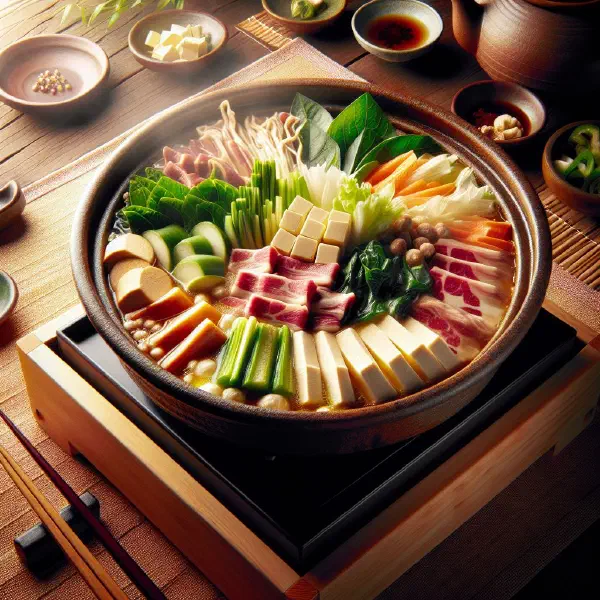
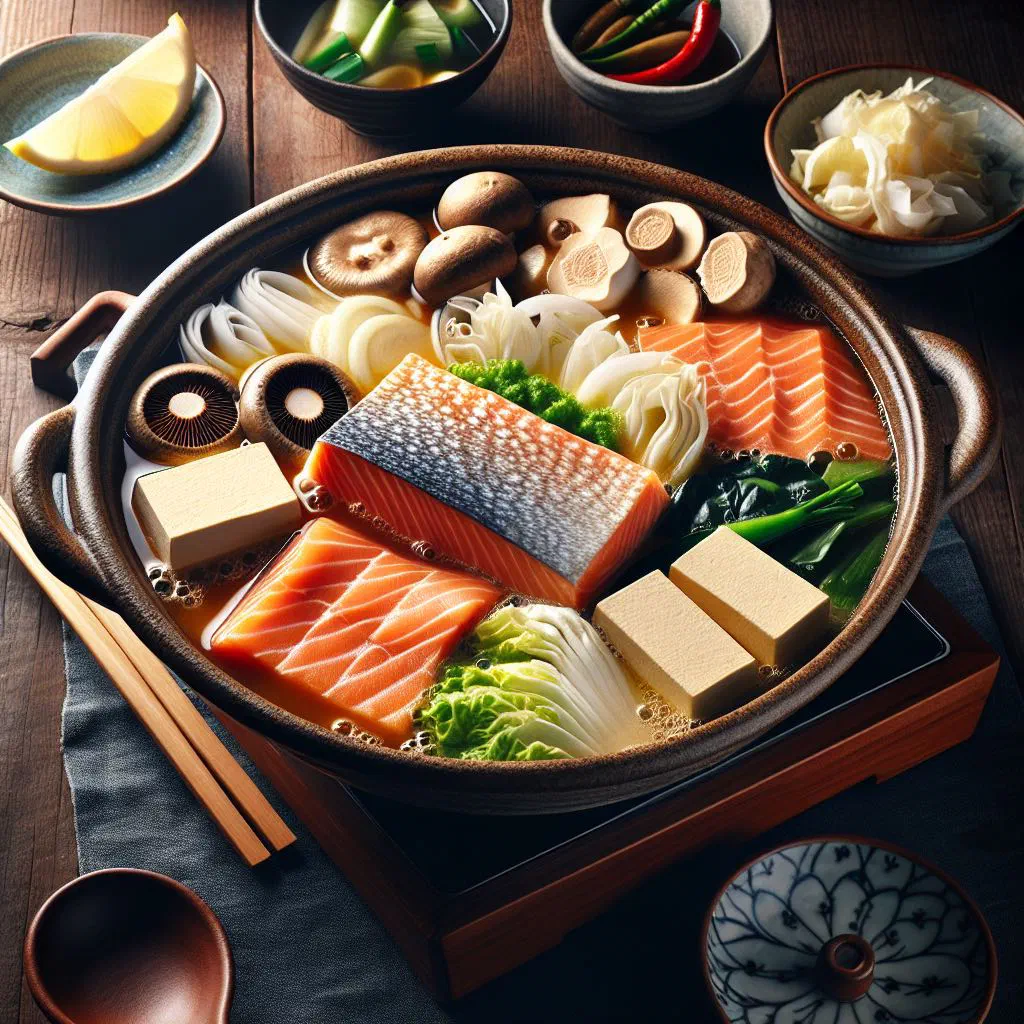
Warm up a cold evening with Ishikari Nabe, a heart-warming salmon hotpot from the northern island of Hokkaido. This sociable one-pot dish brings together fresh fish, seasonal vegetables and a fragrant dashi broth, with every spoonful carrying the comforting depth of the sea. Traditionally shared straight from the pot, it turns a simple supper into a gathering. Perfect for bringing people together when the weather turns bitter.
About Ishikari Nabe
Ishikari Nabe is a wonderful example of Japan’s warm and sociable food culture. Originally from the Hokkaido region, this hotpot dish is a perfect marriage of freshly caught fish, seasonal vegetables and an aromatic broth that lends every bite a special note. Preparing the dish is not only a culinary affair but a social one too, as it is often shared and enjoyed in good company. This tradition of communal eating encourages conversation and togetherness, which makes the whole experience all the more rewarding.
Ingredients (serves 1–2)
- 200 g fresh fish (such as salmon or mackerel)
- 100 g tofu
- 1 carrot, sliced
- 100 g Chinese cabbage, roughly torn
- 1 spring onion, cut into rings
- 500 ml dashi broth
- 2 tablespoons soy sauce
- 1 tablespoon mirin
- Cooked rice, to serve
Shopping for the ingredients
For Ishikari Nabe it is important to choose fresh, high-quality produce. Fresh fish, ideally from a sustainable source, gives the best flavour and an excellent texture. Asian grocery shops usually stock authentic ingredients such as dashi broth, soy sauce and mirin, which are crucial to the dish’s seasoning. With the vegetables you can vary things according to the season, though Chinese cabbage and carrots are classic choices that combine beautifully.
Preparing the dish
Before you begin making Ishikari Nabe, clean and prepare all of your ingredients thoroughly. This includes washing and slicing the vegetables as well as dicing the tofu. Depending on the type of fish, it is worth filleting it in advance so that it sits neatly in the stew. Good preparation saves time during cooking and lets you concentrate fully on the pot itself.
Step-by-step instructions
- Start by heating the dashi broth in a large pot.
- Add the soy sauce and mirin and bring the broth to the boil.
- Drop in the carrot slices and the Chinese cabbage and let them simmer for around 3–4 minutes.
- Add the fish and the tofu and cook everything for a further 5–6 minutes.
- Ladle the stew into bowls and garnish with spring onions just before serving.
Gluten-free / lactose-free version
For a gluten-free version of Ishikari Nabe, simply use gluten-free soy sauce, which is widely available in Asian shops. Make sure the dashi broth is gluten-free too, as several brands now offer this essential stock without any wheat. As for lactose, there are no traditional dairy products in the recipe, so it is naturally lactose-free. Enjoy the stew in the confidence that no problems will arise here either.
Tips for vegans and vegetarians
For vegan and vegetarian versions of Ishikari Nabe, you can replace the fish with an extra portion of tofu or some seitan. Use a plant-based broth instead and leave out the mirin, since it is often made from rice wine that can contain animal ingredients. A squeeze of lime juice works nicely in place of its sweetness. This keeps the dish’s delicious flavour intact while turning it into a hearty plant-based meal.
More tips and tricks
To intensify the flavour of Ishikari Nabe even further, you can stir a little miso paste or some ginger into the broth. A larger amount of vegetables not only makes for a healthier stew but adds extra aromas that deepen the taste. A scattering of chilli flakes brings an unexpected but welcome touch of heat. Experiment with the ingredients to create your own personal version of the recipe.
Adapting the recipe to your taste
Ishikari Nabe lends itself wonderfully to personal preference. Feel free to introduce different vegetables such as mushrooms or courgette, which also work well in the stew. The type of fish can vary too, mackerel, cod or even prawns make delicious alternatives that bring different flavours to the pot. Your creativity is the key to turning this dish into a personal highlight.
Ingredient substitutions
If some ingredients prove hard to find, you can use alternatives that still deliver good results. Chickpeas, for instance, make a wholesome, protein-rich stand-in for tofu. If you cannot get Chinese cabbage, pak choi carries the flavour just as well. Stay flexible with your ingredients to get the very best out of your Ishikari Nabe, much as you might when building a generous bowl of Yosenabe or a rustic Hōtō Nabe.
Drink pairing ideas
To round off the experience of Ishikari Nabe, several drinks pair beautifully with it. A light, cold beer such as a Japanese Asahi or Sapporo harmonises wonderfully with the stew. Alternatively, a fresh green tea makes a fine choice, its crisp, slightly bitter note complementing the dish perfectly. Wine lovers will find that a dry white wine supports the flavour of the fish very well.
Serving and presentation ideas
When it comes to presenting Ishikari Nabe, creativity and a sense of style go a long way. Use attractive bowls that show off the food and perhaps pick up Japanese touches in their design and decoration. Fresh herbs or toasted sesame seeds make a lovely garnish, lifting both the look and the flavour. A thoughtful finish like this helps guests feel truly welcome at the table.
A bit of history
Ishikari Nabe has its roots in the Hokkaido region and bears the influence of Ainu culture. Originally conceived as a filling meal for fishermen and their families, it quickly became a symbol of the hospitality and conviviality of Japanese cooking. Over time, different regions of Japan developed their own variations, though Hokkaido remains the heart of the traditional recipe. The stew is especially popular in the cold months, being not only delicious but warming too, a comforting companion to other winter favourites of Japanese cuisine such as Oden and Tonjiru.
More recipe ideas
Summary: Ishikari Nabe
In short, Ishikari Nabe is a delicious and heart-warming stew that wins you over with its flavours as much as with its sociable spirit. The choice of fresh ingredients, paired with its straightforward preparation, makes this dish an ideal pick for cold days. Let its history and many variations inspire you, and savour a slice of Japanese culture in your own kitchen. This stew brings cosiness and warmth to any gathering.