National Dish Japan: Kaiseki Ryori (Recipe)
In this article
Step into the refined world of Kaiseki Ryori, the crown jewel of Japanese haute cuisine. This elegant, multi-course meal is a celebration of balance, harmony and the changing seasons, where every plate is composed with the care of a still-life painting. Delicate flavours and contrasting textures unfold course by course, turning a simple meal into a quiet, immersive ritual. Bring a touch of this artistry into your own kitchen and discover why kaiseki is considered the pinnacle of Japanese dining.
About Kaiseki Ryori
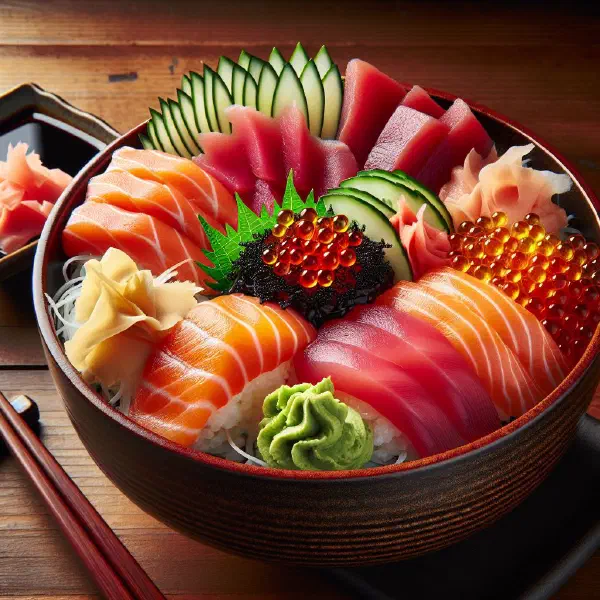
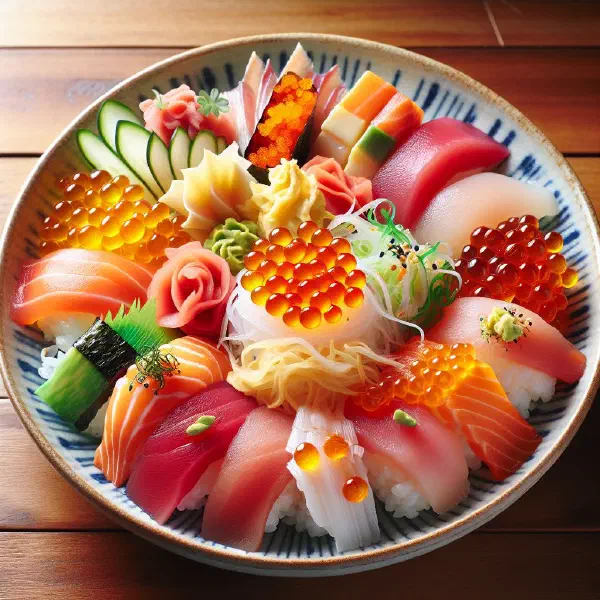
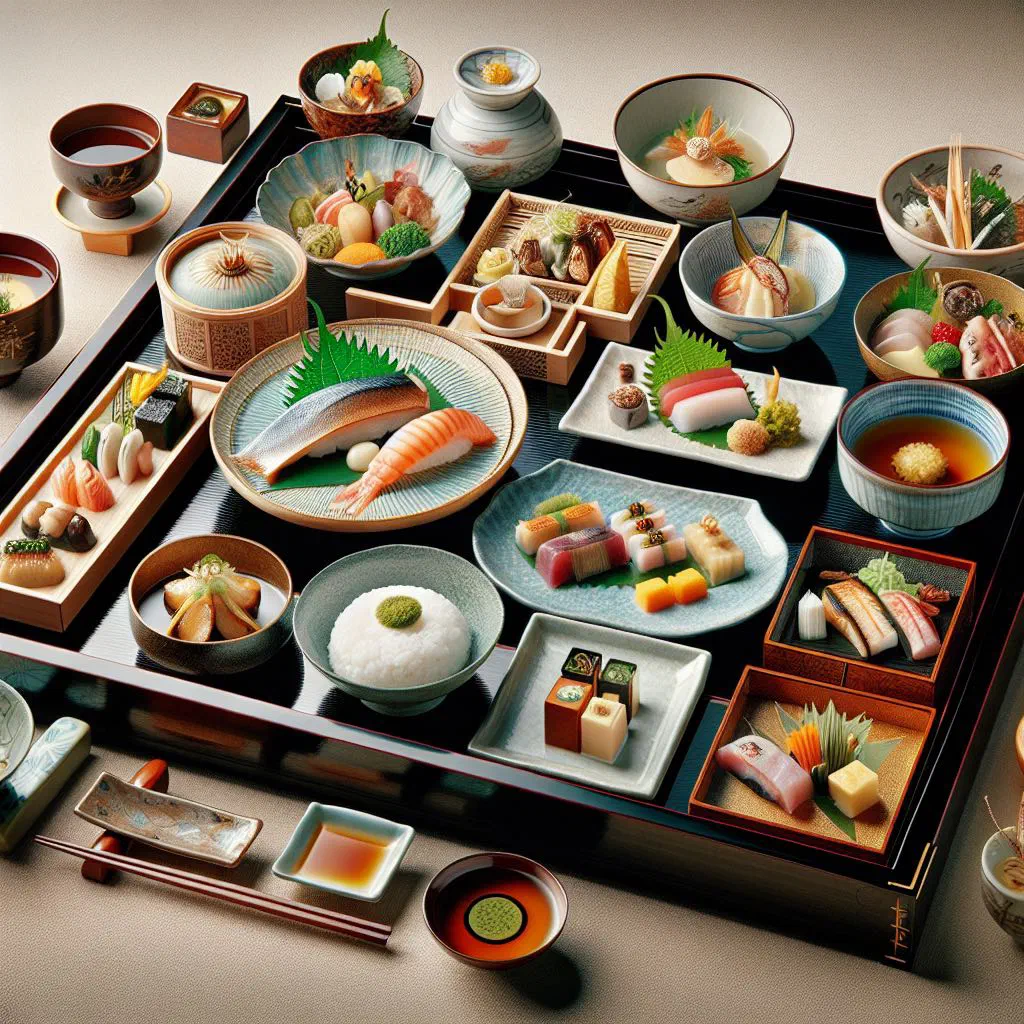
Kaiseki Ryori is the very heart of Japanese haute cuisine and embodies the essence of the country’s dining culture. This multi-course meal is prepared with the utmost care and devotion, drawing on a wide range of ingredients to create a harmonious tasting experience. Each dish is a treat for the palate and a small work of visual art. The courses are usually seasonal, reflecting the time of year and allowing guests to experience the variety and freshness of nature up close.
Ingredients (serves 1–2)
- 180 g rice (sushi rice or similar)
- 100 g fresh fish (such as salmon or tuna)
- 50 g vegetables (e.g. daikon, carrots or asparagus)
- 30 g seaweed (nori or wakame)
- 15 ml soy sauce
- 10 ml mirin
- 1 teaspoon wasabi
- Sesame seeds, to garnish
Shopping for the ingredients
When shopping for kaiseki ryori, quality and freshness are everything. Many of the components, and especially the fresh fish, should be as fresh and as high in quality as you can find. Visit local markets or specialist fishmongers to track down the very best ingredients. The vegetables and seaweed should likewise be fresh and in season, so the dish keeps its authenticity. The same respect for seasonal produce runs through much of Japanese cuisine.
Preparing the dish
Preparing a kaiseki ryori can be both exciting and demanding, as a number of steps are needed to bring the different elements together. Begin by cooking the rice, which is the foundation for many of the dishes. While the rice cooks, you can turn to the accompaniments, slicing the fresh vegetables and preparing the fish. Take care to arrange everything neatly and attractively, as the presentation is just as important as the flavour.
Step-by-step instructions
- Rinse the rice thoroughly and cook it in a rice cooker or pan according to the instructions.
- While the rice cooks, cut the vegetables into fine strips and blanch them briefly.
- Slice the fish into thin pieces and arrange them decoratively.
- Soak the seaweed in cold water, then drain and lay it out on a serving plate.
- Arrange everything on one large plate or across several small bowls.
- Set out a little wasabi and soy sauce as dips.
- Garnish with sesame seeds and serve immediately.
Gluten-free / lactose-free version
For a gluten-free version of kaiseki ryori, be sure to use a gluten-free soy sauce. In place of mirin, which can sometimes contain a trace of gluten, you can use rice syrup instead. There are also plenty of plant-based alternatives to dairy that work well for the accompaniments and dips across the various courses. This way the meal stays just as flavourful while remaining suitable for every guest at the table.
Tips for vegans and vegetarians
For vegan and vegetarian versions of kaiseki ryori, you can swap the fish for a range of seasonal vegetables, such as grilled aubergine or tofu. Sauces and dips can be made from plant-based ingredients too, with miso or tofu working beautifully. Remember to keep an eye on gluten here as well, particularly with the soy sauce. With these simple adjustments, vegans and vegetarians can enjoy this exquisite cuisine to the full, much as they would with a comforting bowl of Oden.
More tips and tricks
To create the most authentic kaiseki ryori experience possible, pay attention to the presentation and the tableware as well. Use traditional Japanese plates and bowls to serve the dishes in style. Another useful tip is to arrange the courses at different heights, which gives the table an appealing and varied look. A little familiarity with Japanese dining culture also helps, allowing you to share the background of each dish and offer guests an even more immersive experience.
Adapting the recipe to your taste
The wonderful thing about kaiseki ryori is the flexibility it offers, letting you vary the dishes to suit your own taste and preferences. Like it with more heat? Add extra wasabi or a touch of chilli. Prefer something gentler? Hold back on the sharper ingredients and lean towards sweeter notes. Experimenting with different flavours is sure to help you discover your own personal kaiseki experience.
Ingredient substitutions
If you do not have every ingredient to hand, there are plenty of alternatives to fall back on. The fish, for example, can be replaced with herbed tofu or marinated vegetables to achieve a similar impression on the palate. In place of seaweed, you might use other leafy greens to add an interesting texture and flavour. Creativity is the key when preparing kaiseki ryori, opening the door to new tastes to discover and enjoy, the same playful spirit you might bring to a simple Onigiri.
Drink pairing ideas
A stylish kaiseki ryori calls for drinks that complement the flavours of the food. A traditional green tea is an excellent choice, as it balances the dishes beautifully without overwhelming them. If you would rather have something alcoholic, try a light sake or a medium-bodied Japanese beer.
Serving and presentation ideas
The presentation of kaiseki ryori is almost as important as the taste of the food itself. Play with different lengths, heights and colours to create visual interest. Make sure the plates are clean and neatly arranged. A small floral element or an edible decorative fruit can also make a lovely finishing touch. A sense of play and harmony in the arrangement appeals to guests both visually and on the plate.
A bit of history
The roots of kaiseki ryori reach back to the 16th century, when this culinary art form began to take shape within Japan’s tea ceremony tradition. Originally it was a simple meal served alongside the tea ceremony, but over time it grew into a sophisticated and creative culinary craft. The philosophy behind kaiseki emphasises balance, harmony and seasonality, which remain central to its preparation to this day. Because of this history, kaiseki ryori is far more than a meal; it is a cultural experience that can be felt in every ingredient and every bite.
More recipe ideas
Summary: Kaiseki Ryori
Kaiseki Ryori is more than a meal; it is an experience that engages the senses and celebrates the beauty of Japanese cooking. Each course tells its own story and reflects the seasonality of its ingredients. Through careful preparation and artful presentation, every dish becomes a small masterpiece. Anyone who discovers the fascinating world of kaiseki is in for a memorable tour.