National Dish Japan: Kaki Fry (Recipe)
In this article
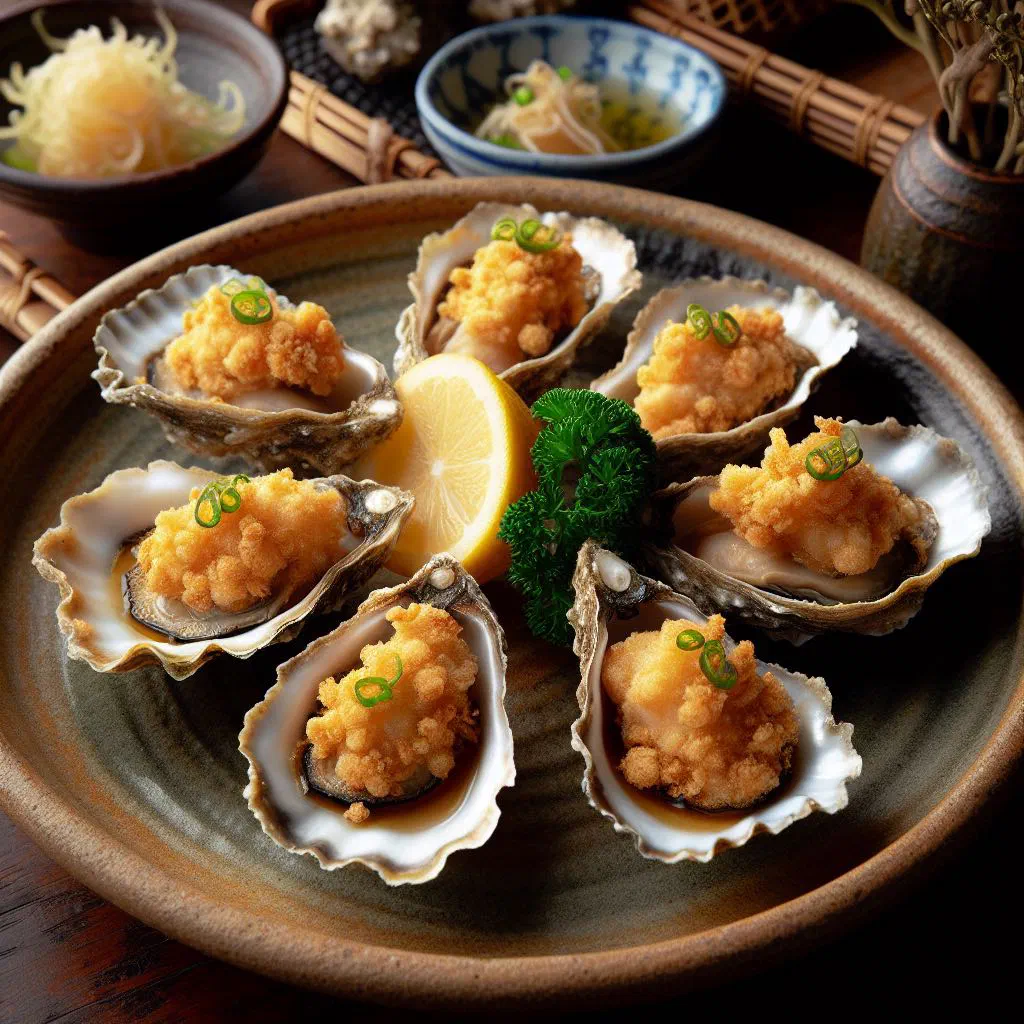
Say hello to Kaki Fry, Japan’s very good take on crisp, golden fried oysters. Plump, tender oysters are coated in light panko breadcrumbs and fried until shatteringly crunchy, making them a brilliant bit of finger food for sociable evenings. Simple to put together at home, this seafood treat balances the delicate softness of the oyster against a crackling crust that delivers plenty of flavour with every bite. Bring a touch of Japanese flair to your own kitchen.
About Kaki Fry
Kaki Fry are crisp, deep-fried oysters that hold a special place in Japanese cooking. These delicate morsels are wonderfully tasty and a much-loved finger food for get-togethers and convivial occasions. The preparation is straightforward and easy to recreate at home. Enjoy the contrast between the tender texture of the oysters and the crunchy panko coating, which offers an exciting taste experience the moment you bite in.
Ingredients (serves 1–2)
- 8 fresh oysters
- 1 cup panko (Japanese breadcrumbs)
- 1/2 cup plain flour
- 1 egg
- Salt and pepper, to taste
- Vegetable oil, for frying
- Soy sauce and lemon wedges, to serve
Shopping for the ingredients
When making Kaki Fry, it is essential to buy fresh oysters. Visit a well-stocked fishmonger or a shop with a good seafood counter. Make sure the oysters are alive, their shells should be firmly closed. The other ingredients, such as panko and fresh eggs, are easy to find in any regular supermarket and should be as fresh as possible to guarantee the very best flavour.
Preparing the dish
Before you start frying, thorough preparation is key. Rinse the oysters under cold water and carefully remove them from their shells. Pat the oysters dry with kitchen paper. Then set out three shallow bowls: one with flour, one with beaten egg and one with panko. This keeps the breading process running smoothly and ensures the oysters are coated evenly.
Step-by-step instructions
- Heat the oil in a deep pan to 180°C.
- Toss the oysters first in flour, then through the beaten egg, and finally in the panko.
- Carefully lower the breaded oysters into the hot oil and fry for 2–3 minutes until golden brown.
- Drain the Kaki Fry on kitchen paper and serve with soy sauce and lemon wedges.
Gluten-free / lactose-free version
For a gluten-free version, you can use a gluten-free coating in place of regular flour. Cornflour or rice flour are good alternatives well worth a try. There are also gluten-free panko options available from specialist shops. The recipe is lactose-free in any case, as it contains no dairy products, so anyone with a lactose intolerance can enjoy it without a second thought.
Tips for vegans and vegetarians
For vegans and vegetarians, there are creative alternatives to Kaki Fry. Instead of oysters, you can use generously seasoned grilled courgette or aubergine, which can likewise be breaded and fried. Another option is pieces of king oyster mushroom or tofu, which lend the dish a similar texture. These alternatives make for a delicious snack that captures the spirit of Kaki Fry rather well, much like the plant-based Ohitashi or Kinpira Gobo.
More tips and tricks
A few tips and tricks can help you make your Kaki Fry extra crispy. To ensure the coating sticks well, let the breaded oysters rest a little before frying. It also helps to bring the oil back up to temperature between batches, so you get an evenly golden result. Experiment with different spices in the coating to add an individual touch.
Adapting the recipe to your taste
Personalise Kaki Fry to your preferences by working different spices or herbs into the coating. You might add dried seaweed, garlic powder or hot paprika to refine the dish. You could also offer a barbecue sauce or a fiery chilli sauce for extra flavour. Adaptations like these give every bite its own distinctive character.
Ingredient substitutions
If you do not have certain ingredients to hand, there are a few alternatives. Instead of panko you can use ordinary breadcrumbs, though the texture will be a little different. For an extra kick, mix the soy sauce with a touch of wasabi to pep the dish up. If fresh oysters are hard to find, frozen ones also work well when prepared with care, a handy trick that comes in useful for many seafood dishes of Japanese cuisine, from Ebi Chiri to Saba Shioyaki.
Drink pairing ideas
A range of drinks pairs particularly well with Kaki Fry, such as Japanese beer or sake. These complement the flavours of the oysters and the coating perfectly. For an alcohol-free option, lightly sparkling lemonades or even a yoghurt drink work nicely. Be sure to keep your drinks well chilled to make the most of the whole tasting experience.
Serving and presentation ideas
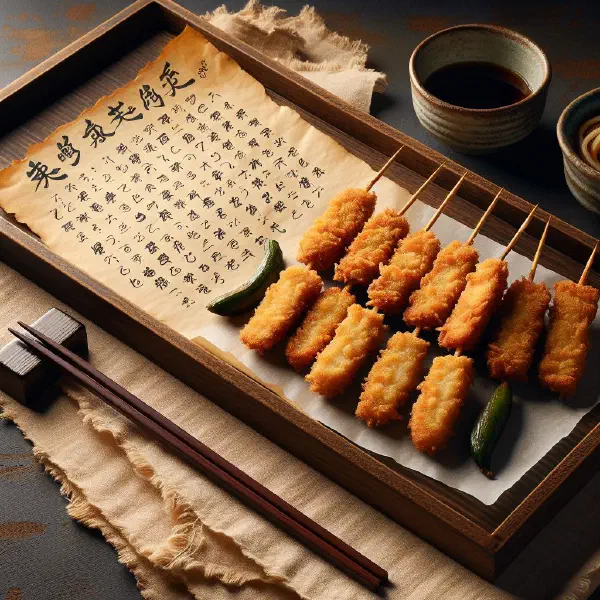
The presentation of Kaki Fry can be lifted with a few creative touches. Serve the fried oysters on a handsome plate, garnished with fresh herbs or a slice of lemon. Small wooden skewers or elegant serving dishes can give any snack a restaurant-style flourish. Don’t forget to offer the sauce in little bowls too, so guests can dip to their heart’s content.
A bit of history
Kaki Fry has its origins in Japanese cuisine and rose to popularity through the influence of Western frying traditions. The use of oysters is typical of Japanese cooking and a symbol of the bounty of the sea. In Japan, Kaki Fry is often served during the winter months, when oysters are at their most flavourful. It is a dish that beautifully unites culture, history and a love of seafood.
More recipe ideas
Summary: Kaki Fry
Kaki Fry are a delicious, crisp delicacy of Japanese cuisine, ideally suited as finger food. With fresh oysters and a distinctive coating, they offer a very good taste experience that is perfect for sociable evenings. Their simple preparation and the scope to adapt them to different tastes make Kaki Fry a wonderfully versatile dish. Let this recipe inspire you and bring a little Japanese flair into your own kitchen.