National Dish Japan: Kakuni Manju (Recipe)

In this article
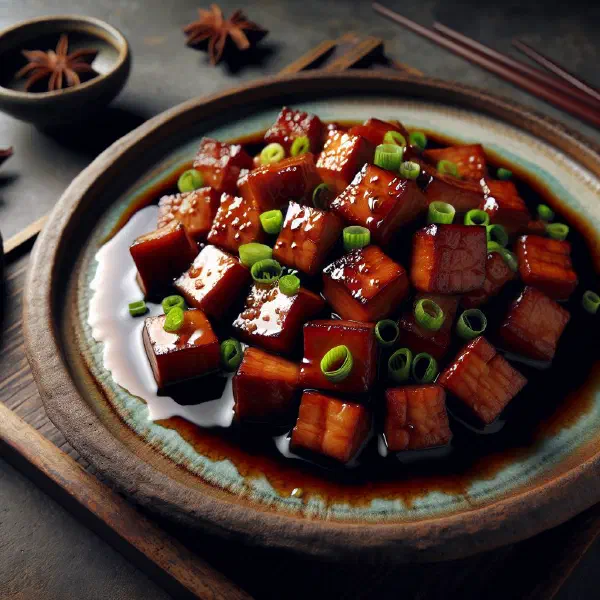
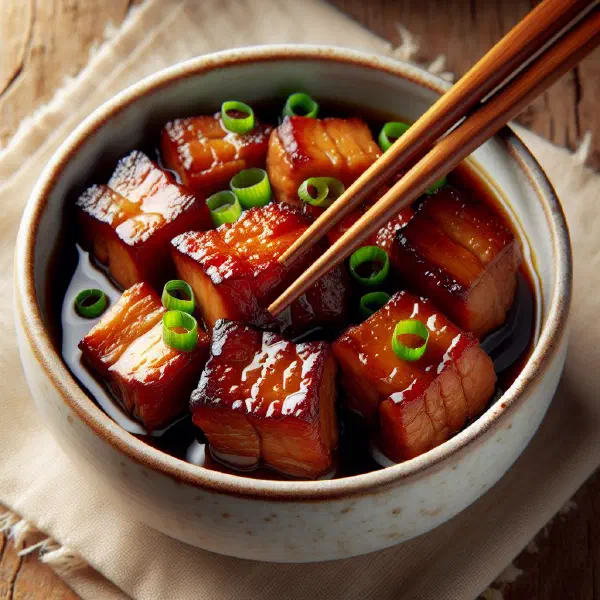
Meet Kakuni Manju, a Japanese treat that turns slow-braised pork belly into something quietly spectacular. Tender, melting meat is glazed in a deeply savoury soy sauce and tucked into a soft, pillowy steamed bun, creating a mouthful that balances rich umami with a gentle sweet-and-sour edge. It is the kind of dish that feels both homely and indulgent. Perfect for a leisurely weekend cook or for sharing with friends who appreciate good food.
About Kakuni Manju
Kakuni Manju is a delicious Japanese delicacy made from tenderly braised pork belly and fluffy, steamed buns. The dish offers a distinctive combination of umami and sweet-and-sour flavours that complement one another beautifully. Traditionally, the braised meat is cooked in an aromatic soy sauce that gives it its unmistakable character. This speciality is a treat for the palate and a wonderful example of the craft and care that define Japanese cooking.
Ingredients (serves 1–2)
- 300 g pork belly
- 2 tablespoons soy sauce
- 1 tablespoon mirin
- 1 tablespoon sake
- 1 tablespoon sugar
- 2 spring onions
- 1–2 steamed buns (manju)
Shopping for the ingredients
It is worth choosing fresh pork belly, as the quality of the meat is decisive for the final result. Many Asian supermarkets also carry the special soy sauces, mirin and sake that are essential to the dish. If you live somewhere these products are hard to find, you can also search online for the ingredients you need. Do not forget to pick up fresh spring onions, which lend the dish not only colour but an extra note of flavour.
Preparing the dish
Preparing Kakuni Manju is simple, but a little groundwork matters if you want the flavours to develop properly. Start by cutting the pork belly into cubes of about 2 cm so the meat cooks evenly. You should also slice the spring onions into fine rings to use later as a garnish. It helps to have all the ingredients ready in advance so the cooking process runs smoothly.
Step-by-step instructions
- Heat a pan over medium heat and brown the cubes of pork belly until lightly coloured.
- Add the soy sauce, mirin, sake and sugar, and stir everything together well.
- Lower the heat and let the meat simmer for around 1 to 1.5 hours, until it is meltingly tender.
- While the meat cooks, steam the buns according to the instructions on the packet.
- Serve the Kakuni Manju by placing the braised meat inside the buns and garnishing with fresh spring onions.
Gluten-free / lactose-free version
To make Kakuni Manju gluten-free or lactose-free, you can use a gluten-free soy sauce, which is widely available in health-food shops and Asian supermarkets. Instead of mirin, a simple syrup made from rice vinegar and honey will give you the same sweet-and-sour note. Make sure the steamed buns are gluten-free as well to meet the requirement.
Tips for vegans and vegetarians
For a vegan or vegetarian version of Kakuni Manju, swap the pork for tofu or jackfruit, both of which offer an excellent texture. Marinate the tofu in the same soy-sauce mixture so it soaks up the flavours. Jackfruit has a wonderfully meat-like consistency and absorbs the seasonings just as well, much like it does in a hearty Kare Raisu. The meat-free version stays close to the original and delivers a delicious eating experience everyone can enjoy.
More tips and tricks
One key tip for Kakuni Manju is to marinate the meat a day ahead so the flavours grow even more intense. Slow cooking over low heat also ensures the meat turns especially tender and the sauce can soak right in. Experiment with the marinating time and the balance of ingredients to find the perfect taste for your own recipe. Do not hesitate to add new aromas to tailor the dish to your liking.
Adapting the recipe to your taste
Adapting the Kakuni Manju recipe lets you shape the dish entirely to your own preferences. Add extra aromatics such as ginger or garlic for more depth. Folding in vegetables like carrots or mushrooms can make the dish richer and bring more variety. Do not be shy about putting creative ideas into practice and trying out new flavour combinations to develop your own version of Kakuni Manju.
Ingredient substitutions
If certain ingredients are not to hand, there are a few alternatives you can use. Instead of pork belly you might choose beef or chicken breast, though you should adjust the cooking times accordingly. For a less sweet result, reduce the sugar or replace it with honey. The buns, too, can be swapped for other doughs or wrappers to suit individual tastes, the same flexible spirit you will find in a comforting bowl of Nikujaga.
Drink pairing ideas
Several drinks pair beautifully with Kakuni Manju and round out its flavours. A fresh Sapporo beer brings a pleasant lightness to the savoury dish. Alternatively, you might serve green tea to draw the aromas together harmoniously and enrich the whole experience. A light Zinfandel is also a fine choice if you prefer wine, as it balances the sweet-and-sour notes of the dish perfectly.
Serving and presentation ideas
Presentation can lift the Kakuni Manju experience considerably. Serve the dish on a decorative plate, garnished with fresh herbs or microgreens to add colour and texture. Take care to position the steamed buns gently and to drape the braised meat generously on top. An appealing presentation turns enjoying the dish into a special occasion that will impress family and friends.
A bit of history
Kakuni Manju has its roots in Japanese cuisine and is especially popular in Okinawa and Kyushu. The dish belongs to the tradition of slowly braising meat to intensify the flavours and make it beautifully tender. Historically it was a delicacy served in imperial kitchens, and to this day it is regarded as a symbol of hospitality and culinary refinement. It brings together delicious flavours and the rich culture and tradition of Japanese cuisine.
More recipe ideas
Summary: Kakuni Manju
Kakuni Manju is a hearty and flavoursome dish that captures the essence of Japanese cooking traditions. By combining tender, braised pork with fluffy steamed buns, you create a culinary experience that will pleasure family and friends. With a few adjustments, your dietary preferences can be accommodated too, so everyone can share in this delicate speciality. Give it a try yourself and let the variety and history of Japanese cuisine inspire you.