National Dish Japan: Kakuni (Recipe)
In this article
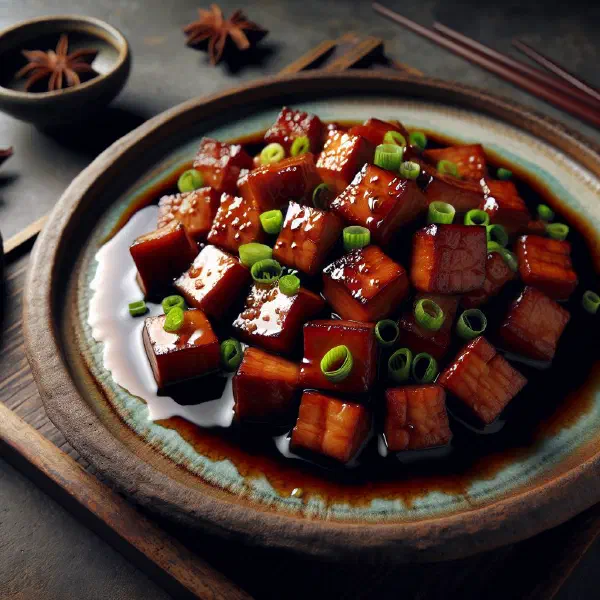
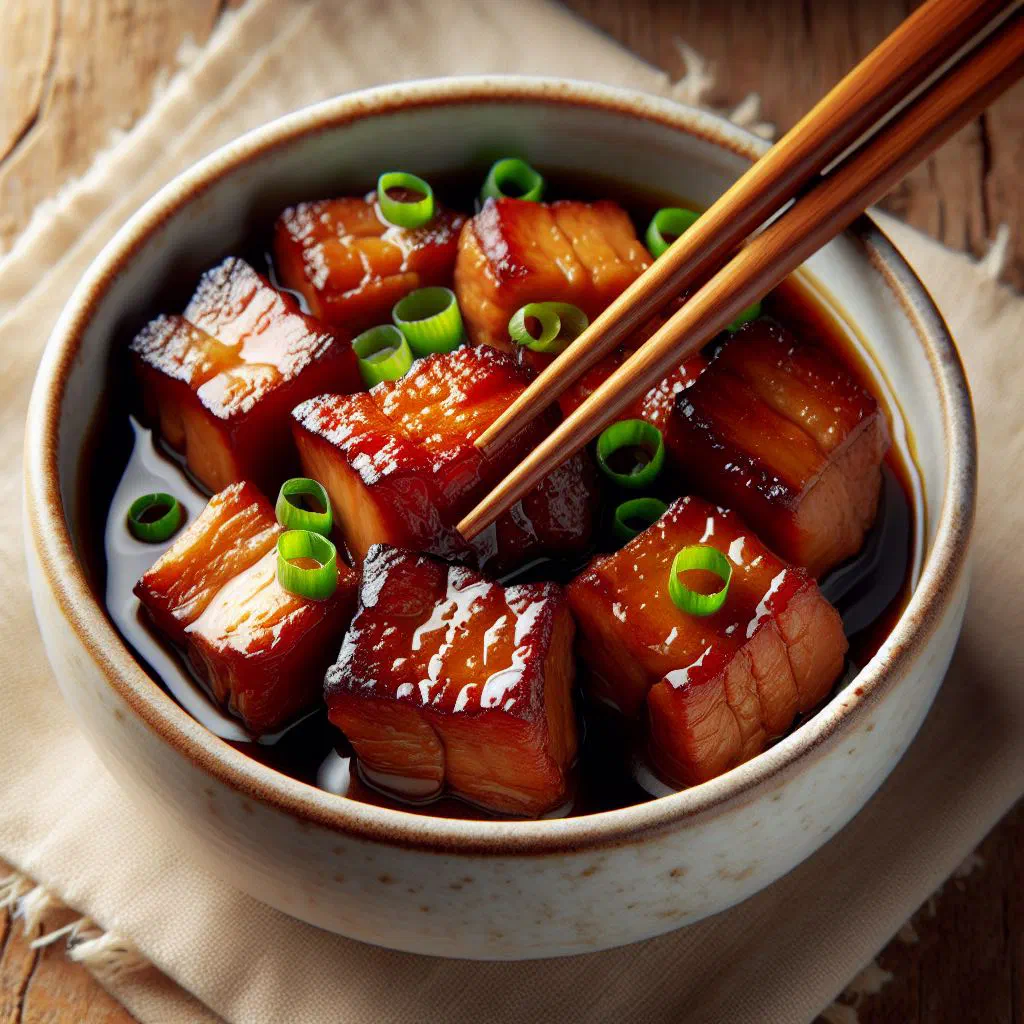
Meet Kakuni, a soul-warming Japanese braise that turns humble pork belly into something quietly luxurious. Cubes of meat are simmered low and slow in a glossy broth of soy sauce, sake, mirin and a little sugar until they collapse at the touch of a chopstick. The result is meltingly tender, deeply savoury and laced with both sweetness and umami, comfort food that feels every bit as special as it tastes.
About Kakuni
Kakuni is a traditional Japanese dish that holds a treasured place in the country’s kitchen. The name simply means “square simmered,” a nod to the neat cubes of pork belly at its heart. The meat is braised gently in an aromatic blend of soy sauce, sake, mirin and sugar until it turns butter-soft and almost melting. That careful balance of seasonings gives the dish its signature character, a layered, savoury-sweet flavour brimming with umami that makes every mouthful a genuine pleasure.
Ingredients (serves 1–2)
- 500g pork belly
- 100ml soy sauce
- 100ml sake
- 50ml mirin
- 2 tablespoons sugar
- 1 piece of ginger (about 20g)
- 2 spring onions, to garnish
- Cooked rice, to serve
Shopping for the ingredients
If you want to make kakuni, it pays to track down the right ingredients. Most Asian grocers stock good-quality soy sauce, sake and mirin, which form the backbone of the braise. When choosing the pork belly, look for a piece that is well marbled, as the layers of fat are what give the dish its best flavour and silky texture. Fresh ginger and crisp spring onions are easy to find in any well-stocked supermarket and bring an extra lift to the finished plate.
Preparing the dish
Start by cutting the pork belly into even pieces so they cook at the same pace. Peel the ginger and slice it thinly to coax out its aroma during simmering. Gathering everything together before you begin keeps the process relaxed and ensures nothing gets forgotten once the pot is on the heat.
Step-by-step instructions
- Sear the pork belly in a large pot until the skin turns crisp and golden.
- Add the sliced ginger and let it sizzle briefly alongside the meat.
- Pour in the soy sauce, sake, mirin and sugar, stirring well to combine.
- Top up with water until the meat is just covered, then bring to the boil.
- Reduce the heat and let the dish simmer gently for at least 2 hours.
- Once tender, lift out the meat and cut it into neat slices.
- For a deeper flavour, reduce the sauce a little further, then spoon it over the pork.
Gluten-free / lactose-free version
For a gluten-free kakuni, swap in a gluten-free soy sauce, now widely sold in Asian shops. This lets you enjoy the full depth of the dish without any gluten-containing products. Just double-check that every other ingredient is gluten-free too, so the braise is safe for anyone with a gluten intolerance. As kakuni contains no dairy, it is naturally lactose-free from the start.
Tips for vegans and vegetarians
Although kakuni is traditionally made with pork belly, there are clever ways to create a vegan or vegetarian version. In place of the meat, try seitan or tofu. Both soak up the savoury broth beautifully and offer a comparable bite. With a similar marinade and the same patient simmering, you can enjoy an equally satisfying dish that captures the essence of kakuni. The same plant-based spirit runs through dishes like Nattō and Ohitashi.
More tips and tricks
For the very best kakuni, it helps to make it a day ahead. Resting the pork overnight lets it drink in the flavours and turn even more tender. Keep an eye on the pot as it simmers so the liquid does not reduce too far. A final flourish of fresh herbs or extra aromatics just before serving adds a welcome touch of brightness to the bowl.
Adapting the recipe to your taste
The joy of kakuni lies in how readily it bends to your liking. Adjust the sugar in the sauce up or down to lean towards either sweetness or savoury depth. You can also play with the cooking time, simmering the meat for longer to coax out even more tenderness. Tweaks like these make the dish your own and let it suit your personal taste perfectly.
Ingredient substitutions
If a few of the traditional ingredients for your kakuni prove hard to find, there are easy alternatives. In place of soy sauce, a mix of tamari and water gives the same salty note. Mirin can be replaced with water sweetened by a little honey or sugar if you would rather skip the alcohol. The same resourceful swaps come in handy for other simmered favourites such as Nikujaga, letting you stay true to the flavour without the exact pantry list.
Drink pairing ideas
To round off your kakuni, a few well-chosen drinks complement its rich, savoury notes. A well-chilled glass of sake is a natural match for this hearty braise. A light white wine or a crisp Japanese beer also supports the flavours nicely. For something alcohol-free, green tea offers a clean, refreshing counterpoint to the richness of the dish.
Serving and presentation ideas
Presentation gives your kakuni that final, inviting touch. Serve the dish in an attractive bowl, garnished with finely sliced spring onions and perhaps a scattering of sesame seeds. A little fresh coriander or parsley adds a welcome splash of colour. Offer the cooked rice in separate bowls to create a balanced table setting that whets the appetite, a hallmark of thoughtful Japanese cuisine.
A bit of history
Kakuni has its roots deep in Japanese cooking and is often linked to the traditional cuisine of Okinawa. It is a dish frequently served at festive gatherings and celebrations. The long, slow cooking is more than just a technique. It reflects a philosophy that prizes patience and care. Over time, kakuni grew into a beloved family favourite that satisfies and honours local culture and tradition.
More recipe ideas
Summary: Kakuni
All in all, kakuni is a peerless example of the Japanese culinary art. Making it takes both time and patience, yet the reward is generous: the flavours develop magnificently and the meat turns very tender. Kakuni is sure to be the highlight of your kitchen adventure. Let this classic tempt you and savour the rich, savoury soul of Japanese cooking.