National Dish Japan: Kamaboko (Recipe)
In this article
Discover Kamaboko, one of Japan’s most distinctive and beautifully crafted treats. This delicate steamed fish cake turns humble white fish into something close to edible art, with a springy, satisfying bite and a clean, mild flavour. Long a fixture of Japanese kitchens, it slips effortlessly into soups, bento boxes and festive spreads. With just a handful of ingredients and a steamer, you can bring a slice of Japan to your own table.
About Kamaboko
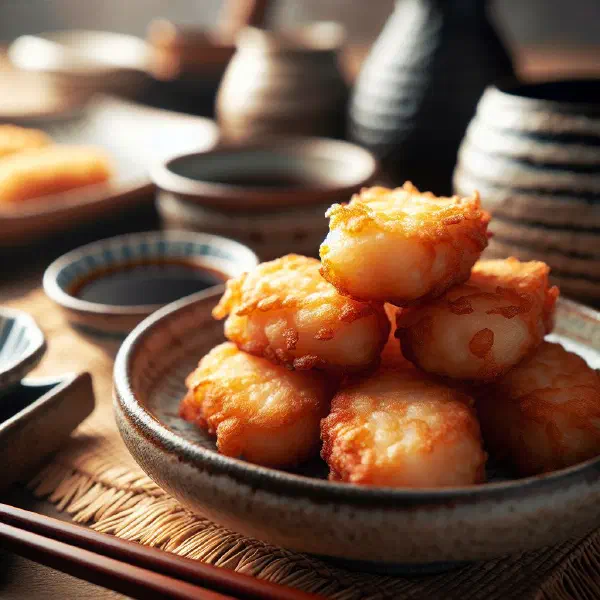
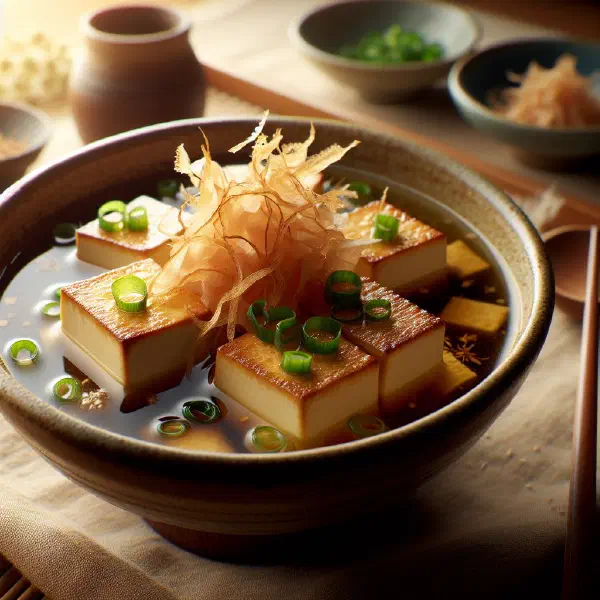
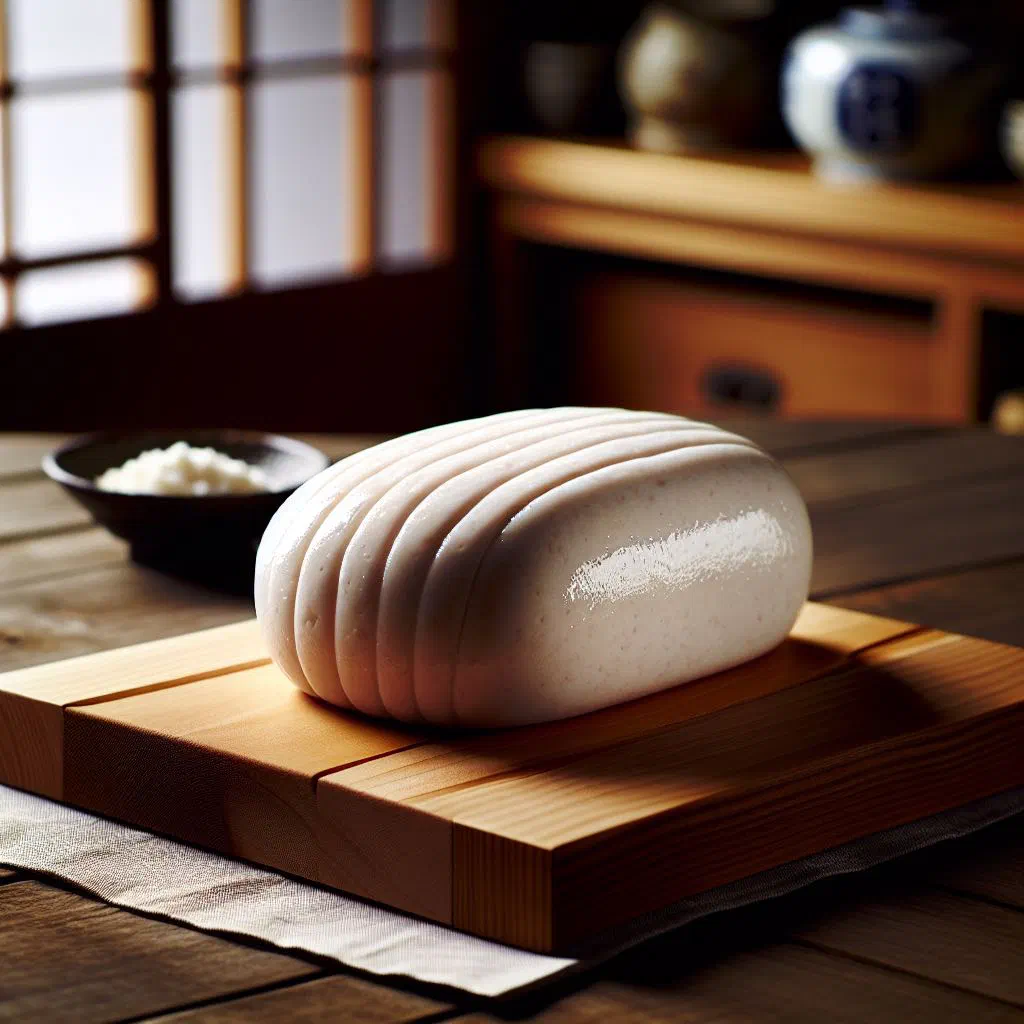
Kamaboko is a traditional Japanese fish cake that holds a cherished place in the country’s cuisine. It is made from fine, tender white fish and cooked through a careful steaming process that gives it an uniquely smooth, bouncy texture and a fresh, delicate taste. The cake is often shaped and presented with real artistry, appearing in countless dishes across the table. Both its flavour and its appearance have made kamaboko a much-loved snack and a treasured component of Japanese food culture.
Ingredients (serves 1–2)
- 250 g tender white fish (e.g. cod or halibut)
- 2 tablespoons potato starch
- 1 tablespoon soy sauce
- 1 tablespoon mirin (Japanese rice wine)
- 1 teaspoon salt
- Water (as needed)
Shopping for the ingredients
To make the perfect kamaboko, it is important to use fresh ingredients. Take care to choose high-quality white fish that is as fresh as possible. It should look clear and have no fishy smell, which is the key to the best results. The remaining ingredients, such as soy sauce and mirin, are available in most Asian grocery shops or online stores and contribute a great deal to the authentic flavour.
Preparing the dish
Before you start making kamaboko, make sure all your ingredients are ready and the fish has been properly prepared. The fish needs to be carefully deboned and cut into small pieces so it processes evenly. This brings out the flavour and ensures the right consistency in the finished cake. Let the fish rest a little before you begin, so it does not turn mushy as you work it.
Step-by-step instructions
- Blend the fish thoroughly in a bowl until you have a fine, smooth paste.
- Add the potato starch, soy sauce, mirin and salt, and mix everything together well.
- Spoon the mixture into a dish and smooth the surface flat.
- Cover the dish with cling film and steam for around 20–30 minutes.
- Once steamed, let it cool, then slice into the shapes you like.
Gluten-free / lactose-free version
Kamaboko is easy to adapt to gluten-free and lactose-free requirements. Simply use a gluten-free soy sauce or tamari in place of the regular soy sauce, and check that all your other ingredients are free from gluten and lactose. Kamaboko can be a brilliant choice for special diets, since the main ingredient, the fish, is naturally gluten-free and lactose-free.
Tips for vegans and vegetarians
Traditional kamaboko is not suitable for vegans or vegetarians, but there are creative alternatives that preserve both the taste and the presentation. You could, for example, make a paste from seitan or tofu and work it much like the fish. Add seaweed or other umami-rich ingredients to deepen the flavour. These versions, similar to the meat-free spirit of Ohitashi, are delicious and a lighter alternative to the classic fish cake.
More tips and tricks
To get the very best from your kamaboko, try a few extra tricks. You might work different spices or herbs into the fish paste to create unique flavours, while a little grated ginger or garlic lends a special note. Take care to time the steaming precisely, as this is what gives the cake its ideal springy texture.
Adapting the recipe to your taste
Kamaboko is a flexible dish that adapts easily to personal preference. You might vary the base by trying different kinds of fish, or even folding in some vegetables. Experimenting with different steaming techniques can lead to fresh and exciting results too. Give your creativity free rein and discover which variations you enjoy most, much as you would when fine-tuning a comforting bowl of Oden.
Ingredient substitutions
When making kamaboko there are plenty of alternatives for specific ingredients. Instead of mirin, you can dissolve a splash of honey or a little sugar in water to achieve a similar gentle sweetness. For anyone watching their salt intake, low-sodium soy sauce works just as well. It is worth experimenting with different ingredients to find the perfect balance of flavour that suits both your needs and your tastes.
Drink pairing ideas
Kamaboko goes particularly well with light drinks that complement the delicate flavour of the fish. A chilled sake or a Japanese beer makes an excellent choice for an authentic dining experience. For those who prefer something alcohol-free, a lightly sparkling green tea is a refreshing option that does not distract from the dish. Fruit smoothies or flavoured waters can also round out the meal nicely.
Serving and presentation ideas
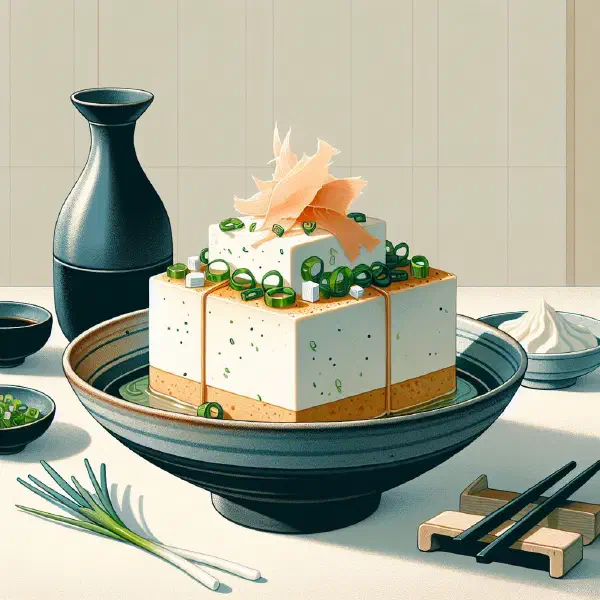
The way you present your kamaboko can have a real impact on the overall impression of the dish. Use colourful vegetable slices or purées to create contrast on the plate. Attractive tableware with clean lines emphasises the craftsmanship of the fish cake and highlights the care that went into making it. You might also draw on traditional Japanese touches such as bamboo mats to create a harmonious setting, the kind of thoughtful spread you would expect alongside Inarizushi.
A bit of history
Kamaboko has a long history in Japan that stretches back to the 16th century. Originally from the country’s coastal regions, it grew into a popular part of Japanese cuisine, valued above all for its keeping qualities and its rich flavour. Over the years many regional varieties emerged, each reflecting different ingredients and preparation techniques. Today kamaboko is a staple food and a symbol of Japanese cuisine and its time-honoured methods of production.
More recipe ideas
Summary: Kamaboko
Kamaboko is far more than a simple snack. It is a genuine work of art from the Japanese kitchen. By using fresh fish and a range of preparation techniques, you create a dish that appeals to both the palate and the eye. Its flexibility means kamaboko can be tailored to personal tastes and dietary needs alike. With just a few simple steps, you can bring a piece of Japan into your own kitchen and treat your guests to this delicious fish cake.