National Dish Japan: Kamo Nanban (Recipe)
In this article
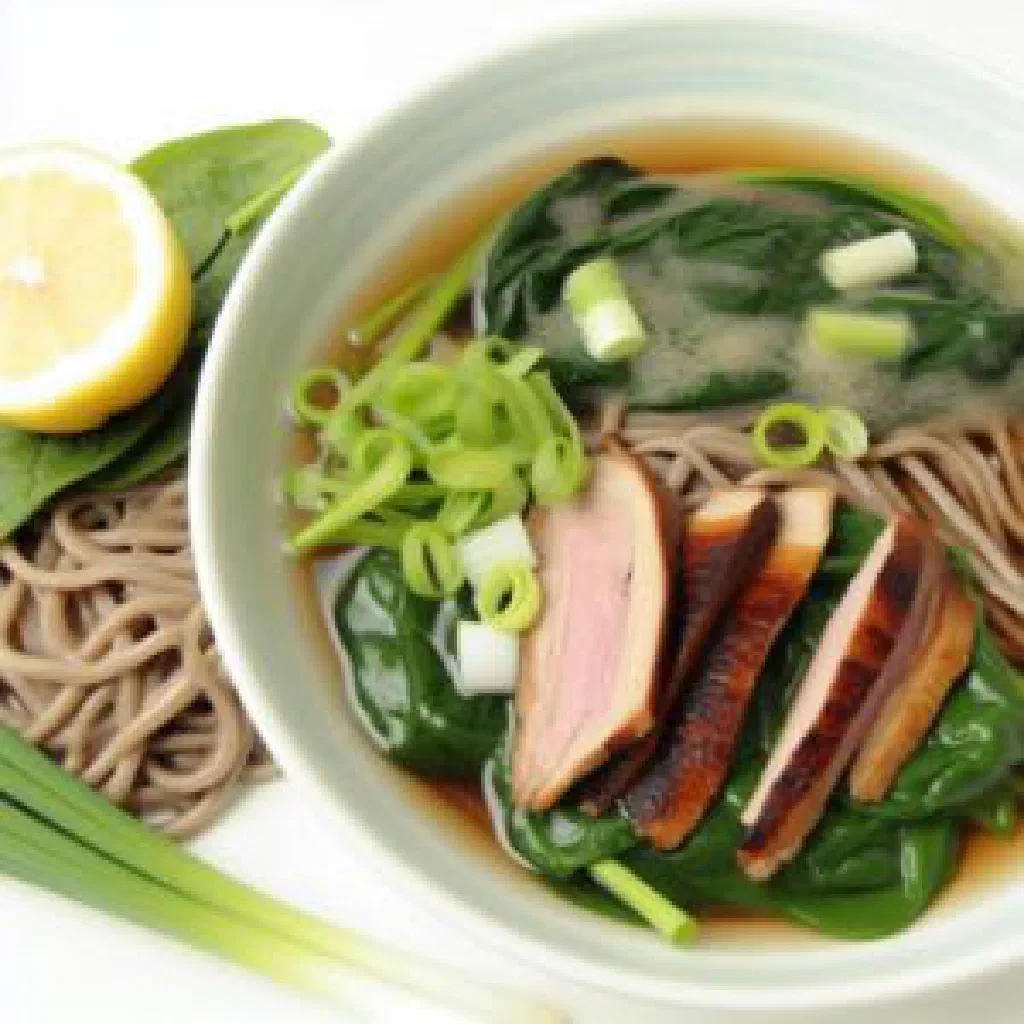
Warm yourself with Kamo Nanban, a comforting Japanese noodle soup built around tender slices of duck breast in a fragrant, savoury broth. Springy soba or udon noodles soak up the warmth while fresh spring onions add a gentle bite. It is exactly the kind of bowl you crave on a cold winter’s evening, yet refined enough to grace any table. Bring the soothing flavours of a Japanese kitchen straight to your own home.
About Kamo Nanban
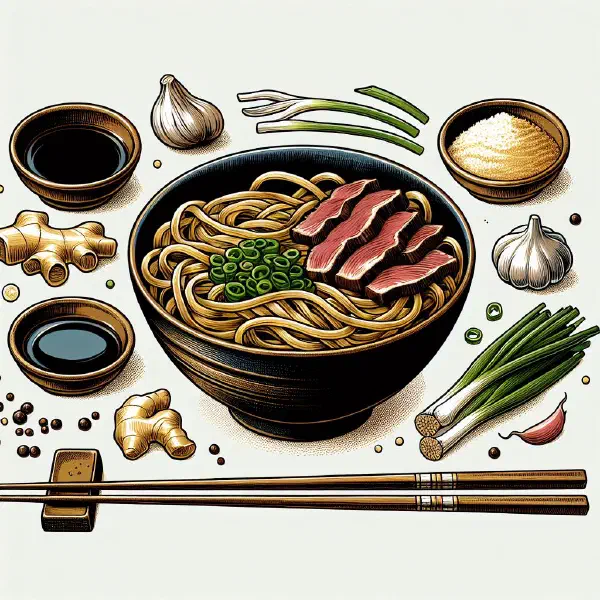
Kamo Nanban is a traditional Japanese dish that brings the flavours and textures of Japanese cooking together in perfect harmony. Its main components are tender duck breast, fresh noodles and an aromatic broth that gives the dish its deeply savoury character. A scattering of spring onions and other fresh ingredients lends Kamo Nanban a distinctive note. In the cold winter months especially, this bowl is a welcome source of warmth and a wonderfully comforting meal, much in the spirit of a steaming bowl of Yosenabe.
Ingredients (serves 1–2)
- 200 g duck breast
- 150 g soba or udon noodles
- 1 litre chicken or vegetable stock
- 2 spring onions
- 1 tablespoon soy sauce
- 1 teaspoon mirin (sweet rice wine)
- A few shiso leaves (optional)
- Salt and pepper to taste
Shopping for the ingredients
For the best Kamo Nanban it is worth choosing fresh ingredients to guarantee the full flavour. Visit an Asian grocery to find the finest duck breast and the special noodles you need. When buying the stock, look for one with few additives so the authentic taste is preserved. This ensures the flavours of each individual ingredient really come through.
Preparing the dish
Preparation is a crucial step in getting the most out of Kamo Nanban. Begin by seasoning the duck breast so it can take on flavour as it browns. While the broth warms through, you can cook the noodles and slice the spring onions into fine rings. Careful preparation lets every ingredient develop its aromas in harmony.
Step-by-step instructions
- Brown the duck breast on both sides in a hot pan until golden.
- Heat the stock in a large pan and add the soy sauce and mirin.
- Cook the noodles according to the packet instructions, then drain.
- Slice the duck breast thinly and finish cooking it in the broth.
- Divide the cooked noodles between bowls and ladle the broth and duck over the top.
- Garnish with fresh spring onions and serve.
Gluten-free / lactose-free version
For a gluten-free version of Kamo Nanban you can use rice noodles in place of the usual soba or udon. Make sure the broth is gluten-free as well. The duck breast and vegetables can be seasoned to taste, so the flavour stays intact. This way the dish remains accessible to every dietary requirement, and it is naturally lactose-free too.
Tips for vegans and vegetarians
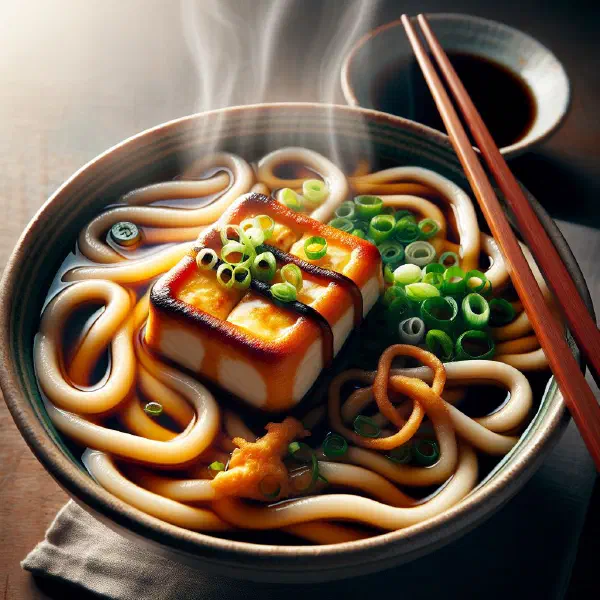
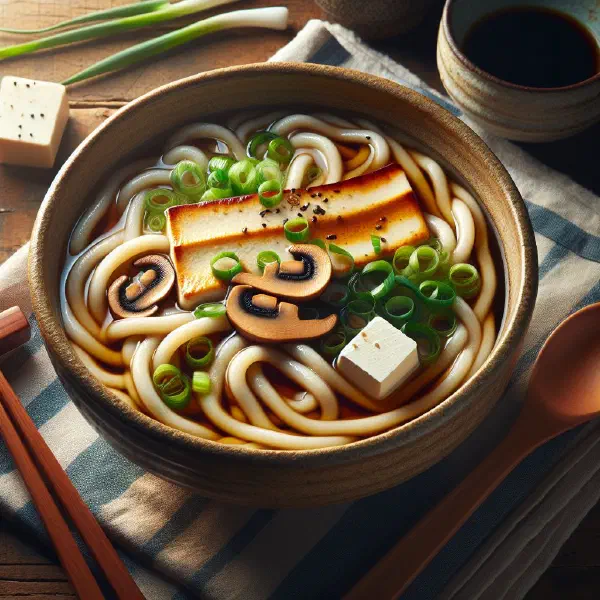
For a vegan version of Kamo Nanban, swap the duck breast for tofu or tempeh and use a plant-based broth. Fresh vegetables such as carrots or courgette can be added to enrich the dish. Take care to choose the right seasoning blend so you echo the savoury depth of the duck. That way vegans and vegetarians can enjoy this delicious bowl too, the same approach that works so well for a hearty Tonjiru.
More tips and tricks
A few small tricks can lift the flavour of Kamo Nanban considerably. Experiment with different herbs such as shiso, which add a fresh note. You can also stir in a little sesame oil for extra depth before adding the broth. A squeeze of lime juice just before serving intensifies the aromas and brings a welcome freshness.
Adapting the recipe to your taste
The recipe for Kamo Nanban is highly adaptable and easy to tailor to personal preference. You can swap the noodles for other types such as ramen or glass noodles, depending on what you fancy. Beyond that, you can spice up the broth with chilli or ginger to create a hotter version. Adjustments like these turn the dish into your own creation, made exactly to your taste.
Ingredient substitutions
If you do not have every ingredient to hand, there are plenty of alternatives for Kamo Nanban. Instead of duck breast you can use chicken or beef, both of which sit beautifully in the broth. For the stock, instant varieties can deliver much the same flavour. Substitutions like these are practical and help speed up the cooking without diminishing the pleasure, handy for a quick midweek bowl of Ankake Udon too.
Drink pairing ideas
The right drink pairing can round off your Kamo Nanban experience perfectly. A chilled sake or a light Asahi beer make excellent companions to this dish. Alternatively, you could serve a green tea, which complements the flavours harmoniously and offers a refreshing pause between mouthfuls. Experiment with different drinks to find your own combination.
Serving and presentation ideas
The presentation of Kamo Nanban can be just as important as the taste. Use attractive bowls to serve the noodles in style. Garnish the dish with freshly chopped spring onions and the optional shiso to create a colourful, inviting look. A few drops of sesame oil on top give the dish a final flourish and make it as pleasing to the eye as it is to the palate.
A bit of history
Kamo Nanban has a long history in Japanese food culture, reaching back into old Japan. The dish is a symbol of comfort and shared eating during the cooler seasons. It is especially treasured in the northern regions of Japan, where duck has become a particular delicacy over the years. The dish reflects the Japanese philosophical connection to nature and to seasonal ingredients, a thread that runs through much of Japanese cuisine, from a citrus-bright Sudachi Soba to a simmering pot of Oden.
More recipe ideas
Summary: Kamo Nanban
Kamo Nanban is a hearty, flavour-packed dish that perfectly embodies the traditions of Japanese cooking. With tender duck breast, fresh noodles and an aromatic broth, it offers an exquisite taste experience. Whether on a cold day or for a special occasion, this bowl is guaranteed to become a highlight on your table. Give the recipe a go at home and enjoy the wonderful range of flavours in Kamo Nanban.