National Dish Japan: Karaage (Recipe)
In this article
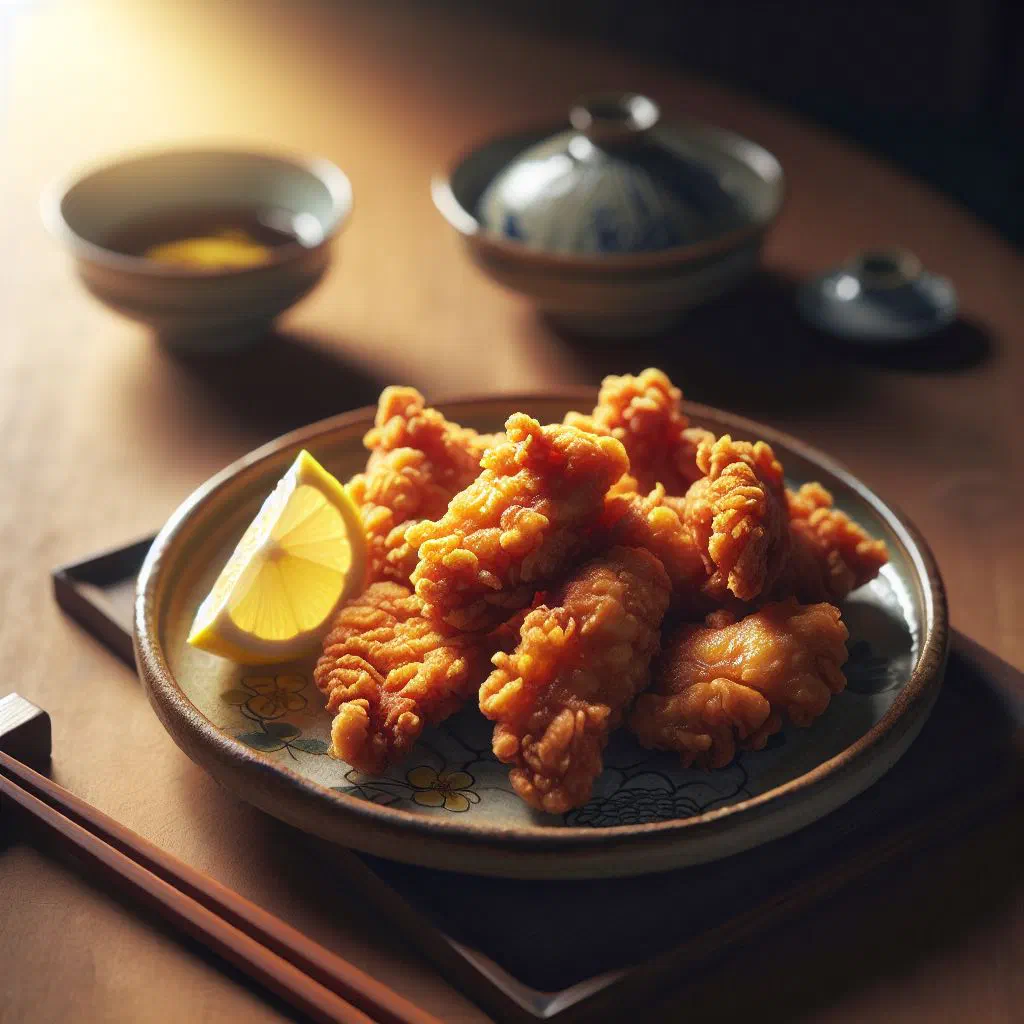
Discover Karaage, one of Japan’s best-loved bites. This classic of Japanese cooking turns humble chicken into morsels that are wonderfully crisp on the outside and juicy within, all thanks to a fragrant marinade of soy sauce, sake and ginger. Equally at home as a moreish snack, a star turn in a bento box or a satisfying main, it brings the warm, savoury flavours of Japan straight to your table. Few dishes are as easy to love or as simple to make at home.
About Karaage
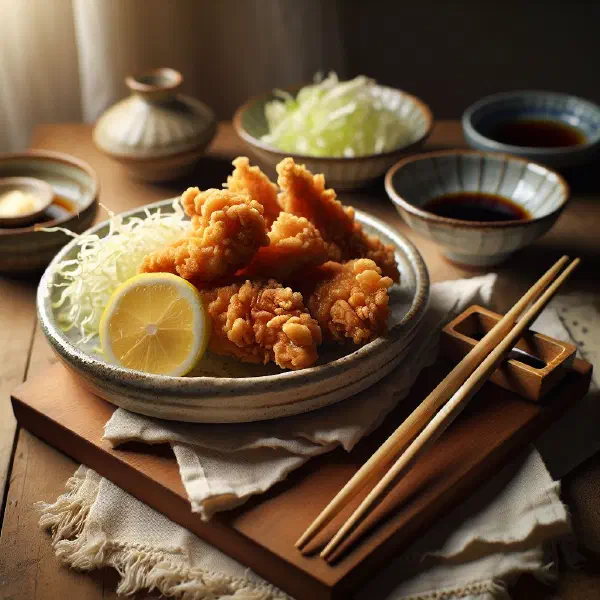
Karaage is a much-loved Japanese dish, prized above all for its unique flavour and crisp texture. At its heart is tender chicken, steeped in a special marinade and then fried in hot oil until golden. The result is a true expression of flavourful variety, crunchy on the outside, succulent within. It works beautifully as a main course and as a snack or as part of a bento box, making it one of the most versatile dishes in the Japanese repertoire.
Ingredients (serves 1–2)
- 500 g chicken breast fillet
- 2 tablespoons soy sauce
- 1 tablespoon sake (Japanese rice wine)
- 1 tablespoon grated ginger
- 1 egg
- 50 g potato starch or cornflour
- Oil, for frying
Shopping for the ingredients
The ingredients for karaage are available in many supermarkets, and especially in shops that specialise in Asian foods. Be sure to buy fresh chicken, as this has a considerable bearing on the quality of the finished dish. For the marinade, soy sauce and sake are essential to achieving that characteristic Japanese flavour. Don’t forget to pick the right starch either, as this is what determines just how crisp the dish turns out.
Preparing the dish
Before you start cooking, cut the chicken into bite-sized pieces. This makes frying easier and ensures an even cooking time. The marinade is made by combining soy sauce, sake and the grated ginger together in a bowl. Leave the chicken to steep in the marinade for at least 30 minutes to develop an intense aroma. A little patience at this stage pays off handsomely in flavour.
Step-by-step instructions
- Cut the chicken into small pieces and place them in the marinade.
- After about 30 minutes, lift the chicken out of the marinade and let it drain.
- Beat the egg in a bowl and turn the chicken pieces in it to coat.
- Scatter the potato starch evenly over the chicken and mix well.
- Heat the oil in a pan to 170°C and fry the chicken in batches.
- Fry the pieces for 5–7 minutes, until golden brown and floating to the surface.
- Drain the finished karaage on kitchen paper and serve warm.
Gluten-free / lactose-free version
To make karaage gluten-free, simply swap the regular soy sauce for one of the readily available gluten-free alternatives. Make sure the potato starch or cornflour is gluten-free too. As for a lactose-free version, this recipe contains no dairy at all, so it is naturally lactose-free. Adaptations like these make the dish a pleasure for far more people to enjoy.
Tips for vegans and vegetarians
For a vegan version of karaage, you can use plant-based proteins such as tofu or seitan in place of the chicken. Marinate the tofu in exactly the same way to draw out the full flavour, or use a mix of soy sauce, tahini and spices. If you would prefer a vegetarian option, vegetables such as cauliflower or courgette fry up beautifully too. Take care to cut everything to a similar size so it cooks evenly, much the same principle that gives a Wafu Salad its balance.
More tips and tricks
For the best results, heat the oil in a deep fryer or a heavy pan to keep the temperature steady. If the oil is too hot, the chicken can scorch on the outside while staying raw within. Dust the chicken thoroughly with starch before frying for an extra-crisp texture. And don’t forget to shake off any excess starch after marinating, so the coating clings neatly to the surface.
Adapting the recipe to your taste
Karaage is easy to tailor to personal preference. You can add different seasonings such as garlic powder or paprika to give the dish your own individual stamp. Experiment with the marinade ingredients to uncover new flavour directions. If you like a bit of heat, a dash of chilli oil lends the whole thing a spicy kick. This adaptability is exactly what has made the dish such an enduring favourite across Japanese cooking.
Ingredient substitutions
If you don’t have sake to hand, rice vinegar or the same quantity of water will do the job. The potato starch or cornflour can also be replaced with rice flour if you fancy trying a different texture. For vegans, the egg can be swapped for a flaxseed substitute, which helps bind the coating and firm up the structure. Substitutions like these leave plenty of room for creativity without losing the authentic flavour of karaage, a flexibility shared by dishes like Tori no Karaage.
Drink pairing ideas
Karaage pairs wonderfully with a wide range of drinks. Traditionally, Japanese dishes are often served with green tea, whose mild, slightly bitter character harmonises beautifully with the savoury chicken. A beer also works well, a Japanese lager in particular intensifies the flavours and refreshes the palate. For an alcohol-free option, consider a fruity malt drink, which makes a lovely accompaniment to the dish.
Serving and presentation ideas
An attractive presentation heightens the enjoyment of any dish. Serve the karaage on a handsome plate, garnished with fresh coriander or a wedge of lemon to lend a bright, fresh look. You can also arrange the chicken on a bed of crisp salad leaves to add colour and freshness. Small dishes of dipping sauce such as soy or wasabi mayonnaise bring extra flavour and give a simple dish an elegant touch.
A bit of history
Karaage has its roots in the gentle, flavour-rich tradition of Japanese cooking, with the term “karaage” deriving from a Chinese style of cooking that originally described the preparation of fried foods. This method became popular in Japan during the 20th century and has since grown into an indispensable dish. The art of deep-frying has a long history in Japan, reaching all the way back to the Edo period. Today karaage is found not only in Japanese households but has won international fame, treasured in many countries around the world, a true ambassador of Japanese cuisine.
More recipe ideas
Summary: Karaage
Karaage is a delicious and versatile dish from Japan, distinguished by its tender chicken and crisp coating. With simple ingredients and a fuss-free method, it is easy to recreate at home. Karaage brings the fire of Japanese flavours to your plate. Let the many ways of preparing it inspire you, and enjoy a little taste of Japan in your own kitchen.