National Dish Japan: Kare Raisu (Recipe)
In this article
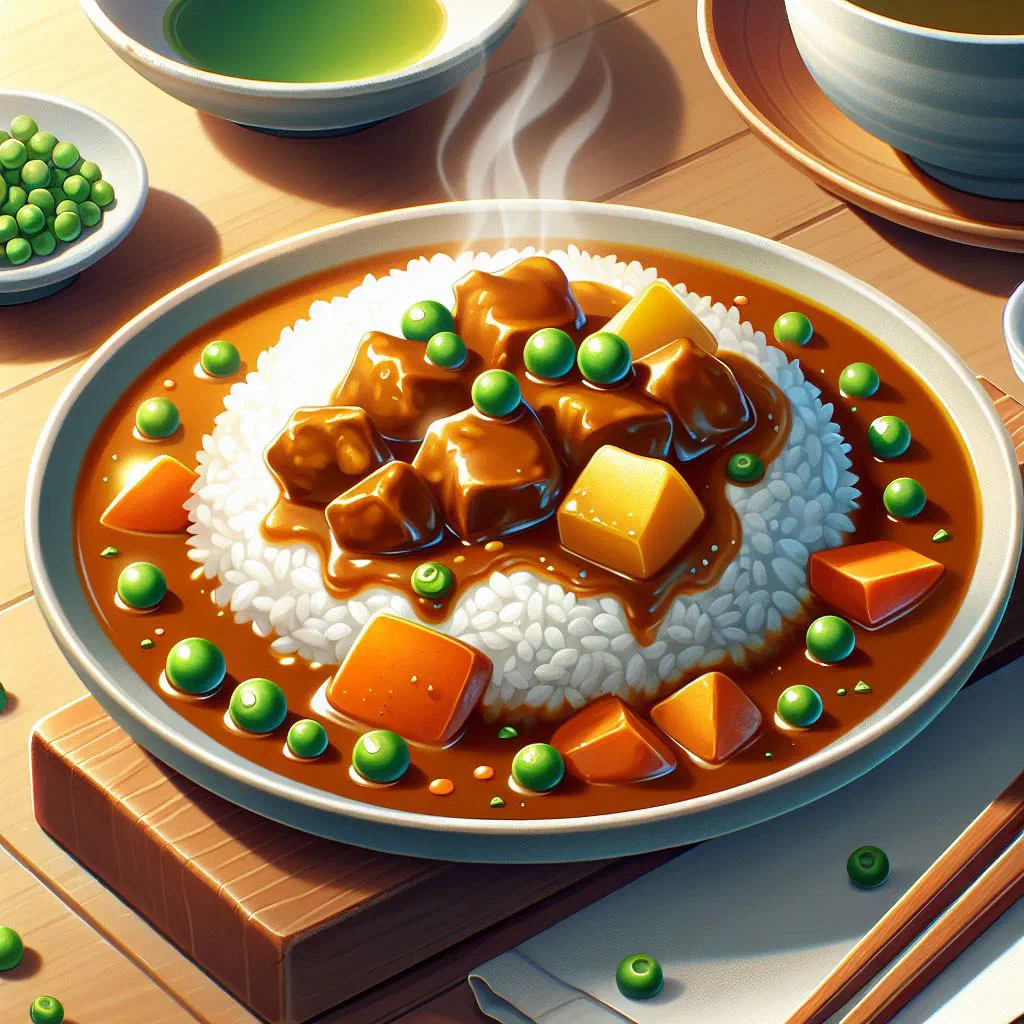
Meet Kare Raisu, Japan’s warmly comforting take on curry and rice. This homely dish brings together tender meat and fresh vegetables in a thick, glossy sauce, all ladled over a bed of steaming rice. Far gentler and sweeter than its South Asian cousins, it has become a true staple of the Japanese kitchen, the kind of supper families come back to again and again. With a handful of everyday ingredients, you can bring a taste of Japan straight to your own table.
About Kare Raisu
Kare Raisu is a much-loved Japanese curry dish, popular at home and far beyond Japan’s shores. It pairs tender meat and fresh vegetables in a creamy, aromatic sauce served over warm, steaming rice. Its roots reach back to the Meiji era, when curry first arrived in Japan through the influence of British seafarers. Today it is an everyday dish in countless households and a firm favourite on the menus of restaurants and cafés. The flavour is mild, rounded and gently sweet, which makes it especially appealing to newcomers and children alike.
Ingredients (serves 1–2)
- 200 g chicken breast or beef
- 1 onion
- 1 carrot
- 1 potato
- 2 tablespoons curry paste
- 500 ml water
- 1 tablespoon soy sauce
- 1 teaspoon sugar
- Plain rice, to serve
Shopping for the ingredients
When shopping for kare raisu, it is well worth choosing fresh produce to get the very best flavour. Most ingredients are easy to find in any well-stocked supermarket, while a specialist Asian grocery will often carry more authentic curry paste as well. When buying meat, look for good quality, ideally from animals reared to high welfare standards. Both fresh and frozen vegetables work nicely here, so let availability and season be your guide.
Preparing the dish
Preparing kare raisu is refreshingly straightforward and takes very little time. Begin by peeling the vegetables and cutting them into even pieces so they cook through at the same rate. The meat should likewise be cut into bite-sized chunks. Don’t forget to rinse and start cooking the rice about 20 minutes before the curry, so it is ready exactly when the sauce is.
Step-by-step instructions
- Brown the chopped meat in a large pan over medium heat until lightly coloured.
- Add the onion and cook until translucent, then tip in all the prepared vegetables.
- Stir in the curry paste and fry briefly to release the aromas.
- Pour in the water, bring to the boil, then simmer for 15–20 minutes until the vegetables are tender.
- Finally, add the soy sauce and sugar, stir well and season with pepper to taste.
Gluten-free / lactose-free version
To make kare raisu gluten-free and lactose-free, swap the standard curry paste for a gluten-free alternative. Many Asian shops stock dedicated gluten-free products that taste every bit as good. For a lactose-free version, use lactose-free alternatives to suit your taste, or simply leave out any cream and milk altogether.
Tips for vegans and vegetarians
Vegans and vegetarians can adapt kare raisu with ease by replacing the meat with tofu, seitan or a generous mix of different vegetables. The method stays exactly the same, and the dish keeps all of its wonderful flavour. There are also dedicated vegan curry pastes that work beautifully here. Round things off with a selection of fresh spices or herbs to layer in extra aroma.
More tips and tricks
A few simple tips can lift your kare raisu to another level. Play with the cooking time to get the vegetables exactly the way you like them. Swapping the water for coconut milk makes the curry richer and more velvety. For a deeper, more developed flavour, let the dish rest overnight and reheat it the next day, the aromas will have settled and intensified beautifully.
Adapting the recipe to your taste
One of the great joys of kare raisu is how easily you can tailor it to your own preferences. Add extra aromatics such as ginger or garlic to give the dish a whole new dimension. You might vary the ratio of meat to vegetables, or change the style of curry paste, to discover fresh and tasty combinations. Different kinds of rice, jasmine or basmati, for instance, are another easy way to add a personal touch.
Ingredient substitutions
Should any ingredients prove tricky to find, there are plenty of alternatives to fall back on. Fresh vegetables such as courgette or broccoli slot into the dish very nicely. If you have no paste to hand, you can mix your own blend of curry powder and additional spices instead, the same hearty, homely approach you’ll find in Nikujaga. Just keep an eye on the balance so the overall flavour stays harmonious.
Drink pairing ideas
For the full experience, we suggest serving kare raisu with a refreshing drink alongside. Green tea pairs wonderfully here, gently complementing the flavours of the curry. A light beer, such as a Japanese lager, is another good match, its hoppy notes offering a pleasant contrast to the warmth of the sauce. If you prefer something soft, fresh fruit juices or a fizzy lemonade are an equally good choice.
Serving and presentation ideas
Thoughtful presentation can lift the whole kare raisu experience. Serve the curry in colourful bowls to add a striking visual touch. Garnish with fresh herbs such as coriander or spring onions for extra colour and freshness. Arranging the plate in layers, rice first, curry spooned over the top, creates an appetising, inviting look, much as you would with a comforting bowl of Yosenabe.
A bit of history
Kare Raisu has its origins in Japan’s Meiji era, when the dish was first introduced by British naval officers. Within Japan, however, it quickly evolved into a tradition all of its own, adapted to suit local tastes. The curry rapidly grew in popularity and is now prepared in countless variations. That ongoing development helped shape Japan’s distinctive curry culture, and today the dish is a firm fixture of the home kitchen and a cornerstone of Japanese cuisine.
More recipe ideas
Summary: Kare Raisu
In short, Kare Raisu is a delicious and versatile dish that suits beginners and seasoned cooks alike. With so many ways to adapt it, you can easily shape the recipe to your own taste. Its balanced, harmonious flavours and simple preparation make it a firm favourite for family meals and sociable evenings. Bring a touch of Japan into your kitchen and give this wonderful dish a try.