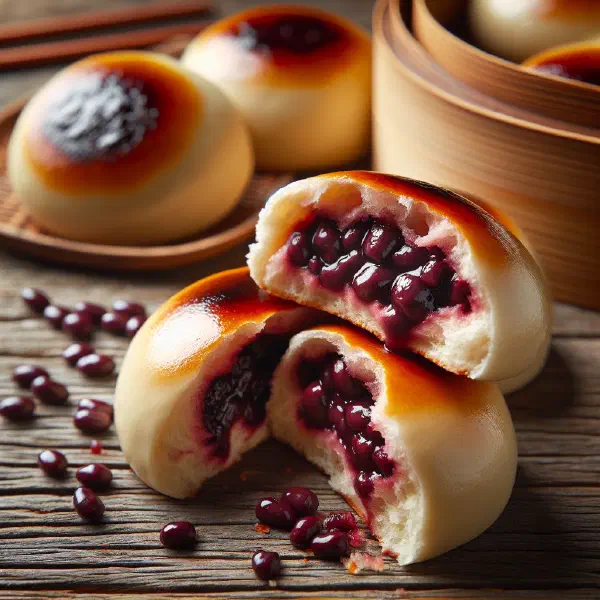
National Dish Japan: Kashipan (Recipe)

In this article
Discover Kashipan, the soft and fluffy filled buns that have won the hearts of bakers across Japan. These light little parcels of dough can be packed with anything from sweet red bean paste to savoury vegetable or cheese fillings, which makes them endlessly adaptable. As an afternoon snack or as a gentle dessert, kashipan never disappoint. Bring a taste of the Japanese bakery counter straight into your own kitchen.
About Kashipan
Kashipan is a traditional Japanese baked good that is enormously popular throughout Japan. These light, fluffy dough parcels are usually wrapped around sweet or savoury fillings, which makes them a wonderfully versatile snack. The choice of filling ranges from red bean paste to meaty or vegetable-based mixtures, so there really is something for every palate. Served at breakfast, as a mid-morning bite or as a pudding, kashipan is always an excellent choice, and a lovely introduction to home-baked Japanese cuisine.
Ingredients (serves 1–2)
- 200g flour
- 100ml water
- 25g sugar
- 5g yeast
- 1 pinch of salt
- Filling of your choice (e.g. red bean paste, cheese, vegetables)
Shopping for the ingredients
When shopping for kashipan, it is well worth paying attention to quality. Fresh flour and good yeast are key to getting the right texture in the dough. If you want to use special fillings, browse an Asian grocery or look online for the best options. Fresh vegetables and good-quality protein sources can lift the flavour even further, so choose the freshest produce you can find.
Preparing the dish
Before you start, it pays to have everything ready to hand. Measure out the flour and yeast precisely and make sure your fillings are prepared in advance. This might involve peeling, chopping or cooking the ingredients, depending on what you have chosen. Good preparation keeps the whole process running smoothly and takes the stress out of the bake.
Step-by-step instructions
- Combine the flour, sugar, yeast and salt in a bowl.
- Add the water and knead well until you have a smooth dough.
- Cover the dough and leave it to rest in a warm place for around 30 minutes.
- Divide the dough into small portions and flatten each one.
- Place the filling in the centre and seal the dough carefully around it.
- Set the filled pieces in a steamer or on a plate and steam for 15–20 minutes.
Gluten-free / lactose-free version
Kashipan is easy to make gluten-free by swapping the wheat flour for a gluten-free flour blend. Take care that your fillings are gluten-free too, especially if you are using anything pre-prepared. A lactose-free version is just as simple. Use plant-based milk alternatives when mixing the dough. There are plenty of delicious fillings that contain no dairy at all, so no one need miss out.
Tips for vegans and vegetarians
Vegans and vegetarians can get really creative with the fillings. Instead of animal products, reach for plant-based alternatives such as tofu, vegetables or vegan sauces. The classic red bean paste also makes a wonderful vegan filling. Look out for regional and seasonal vegetables to make your buns even more flavourful and to keep things varied throughout the year.
More tips and tricks
For the best results, avoid kneading the dough too firmly so you keep that all-important fluffiness. Good steaming matters too, make sure the dough pieces have plenty of room in the steamer, as they will expand as they cook. A small splash of soy sauce as you serve can underline the savoury flavour beautifully.
Adapting the recipe to your taste
Kashipan is extremely versatile and easy to tailor to your own preferences. For a sweet version, try a luscious chocolate cream or fresh fruit as the filling. For something more savoury, fried vegetables or minced meat are ideal, much like the heartier parcels you would find in a Kakuni Manju. The dough itself can also be enriched with spices or herbs to develop even more aroma.
Ingredient substitutions
If you have no yeast to hand, baking powder can be a workable alternative in many recipes. Instead of water, you could use fruit juices to give the dough a special note. The filling can be varied freely depending on your taste and what is available, the same playful, sweet spirit that runs through a Dorayaki.
Drink pairing ideas
When serving kashipan, Japanese drinks make the perfect partner. Consider offering green tea or matcha to create a harmonious link with the wider cuisine. Alternatively, fruity lemonades or alcohol-free sake work very well too. For a sweeter touch, you might also experiment with almond milk or coconut water to round things off.
Serving and presentation ideas
Presentation plays an important part in lifting the kashipan experience. Use colourful plates or traditional Japanese vessels such as lacquer bowls to add a special appeal. Garnish the buns with fresh herbs or a splash of soy or teriyaki sauce. Be sure to serve them warm so the fluffy texture shows at its very best.
A bit of history
Kashipan has a long tradition in Japanese food culture and was originally shaped by Chinese customs. These delicious dough parcels were introduced to Japan centuries ago and have gradually evolved ever since. Today they are a firm part of the country’s tea culture and are served on many occasions. The sheer variety of fillings reflects the creative flexibility of Japanese cooking and its knack for making the most of local ingredients, a tradition you can also taste in the sweet Zenzai.
More recipe ideas
Summary: Kashipan
Kashipan is a delicious and versatile Japanese baked good that can be made both sweet and savoury. It offers a huge range of fillings and adapts easily to suit personal taste. With good-quality ingredients and a little creativity, you can bring the wonderful flavours of Japan into your own kitchen. Let this traditional treat win you over and enjoy a little piece of Japanese culture with every bite.