National Dish Japan: Katsu Sandō (Recipe)
In this article
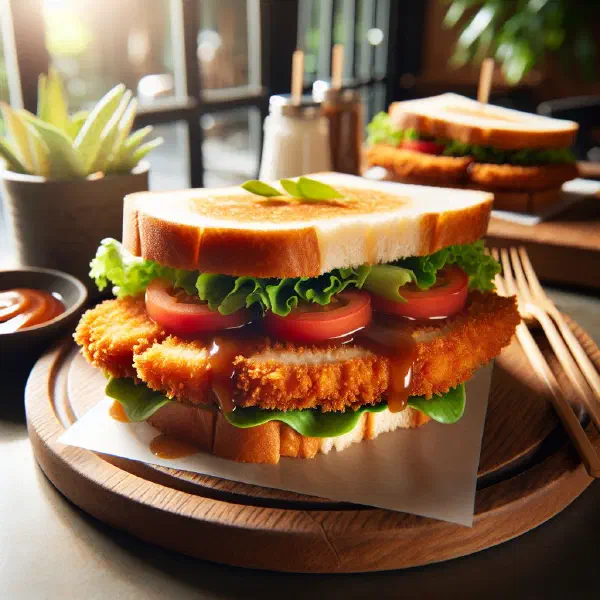
Meet Katsu Sandō, Japan’s very good take on the humble sandwich. Crisp, golden breaded pork is tucked between two slices of pillowy white bread, finished with a slick of tangy tonkatsu sauce and a handful of crunchy cabbage. It is the kind of handheld treat you will find tucked into lunchboxes and railway-station kiosks across Japan. Proof that comfort food travels brilliantly. Bring this beloved snack straight to your own kitchen for a memorable lunch or midday bite.
About Katsu Sandō
Katsu Sandō is a classic Japanese sandwich celebrated for its hearty, crunchy filling. It is usually built around a piece of breaded, deep-fried meat served between two soft slices of bread. Katsu is the Japanese word for “cutlet”, while sandō is the shortened term for sandwich. The sandwich is often dressed with fresh cabbage and a special sauce, such as tonkatsu sauce, which gives the dish an extra burst of flavour and that signature sweet-savoury balance.
Ingredients (serves 1–2)
- 2 slices of white bread or a soft toasting roll
- 1–2 pieces of pork (cutlet-style)
- 1/2 cup panko (Japanese breadcrumbs)
- 1/4 cup plain flour
- 1 egg
- 1 cup oil for frying
- 1 cup finely shredded cabbage
- 2–3 tablespoons tonkatsu sauce
- Salt and pepper, to taste
Shopping for the ingredients
To make a truly delicious katsu sandō, you will want fresh, good-quality ingredients. Look for fresh meat, ideally pork that is tender and nicely marbled. The panko breadcrumbs are key to the dish’s crisp texture, and can be found in Asian grocery shops or ordered online. The tonkatsu sauce gives the sandwich its unmistakable flavour, so it is worth picking up a good bottle from an Asian supermarket. It really makes the difference.
Preparing the dish
Before you start assembling your katsu sandō, set out all your ingredients and get everything prepped. The meat can be lightly pounded to tenderise it, then trimmed into neat portions to fit your bread. Have a few shallow bowls ready for the flour, beaten egg and panko so you can coat the cutlet smoothly. Freshly shredded cabbage can simply be piled onto the sandwich, offering a crisp, cooling contrast to the warm filling.
Step-by-step instructions
- Prepare the meat by pounding it gently and seasoning with salt and pepper.
- Coat the meat in order: first the flour, then the beaten egg, and finally the panko.
- Heat the oil in a deep pan over medium heat.
- Fry the breaded meat until golden and crisp, about 3–4 minutes per side.
- Lift the fried cutlet onto kitchen paper to drain off any excess oil.
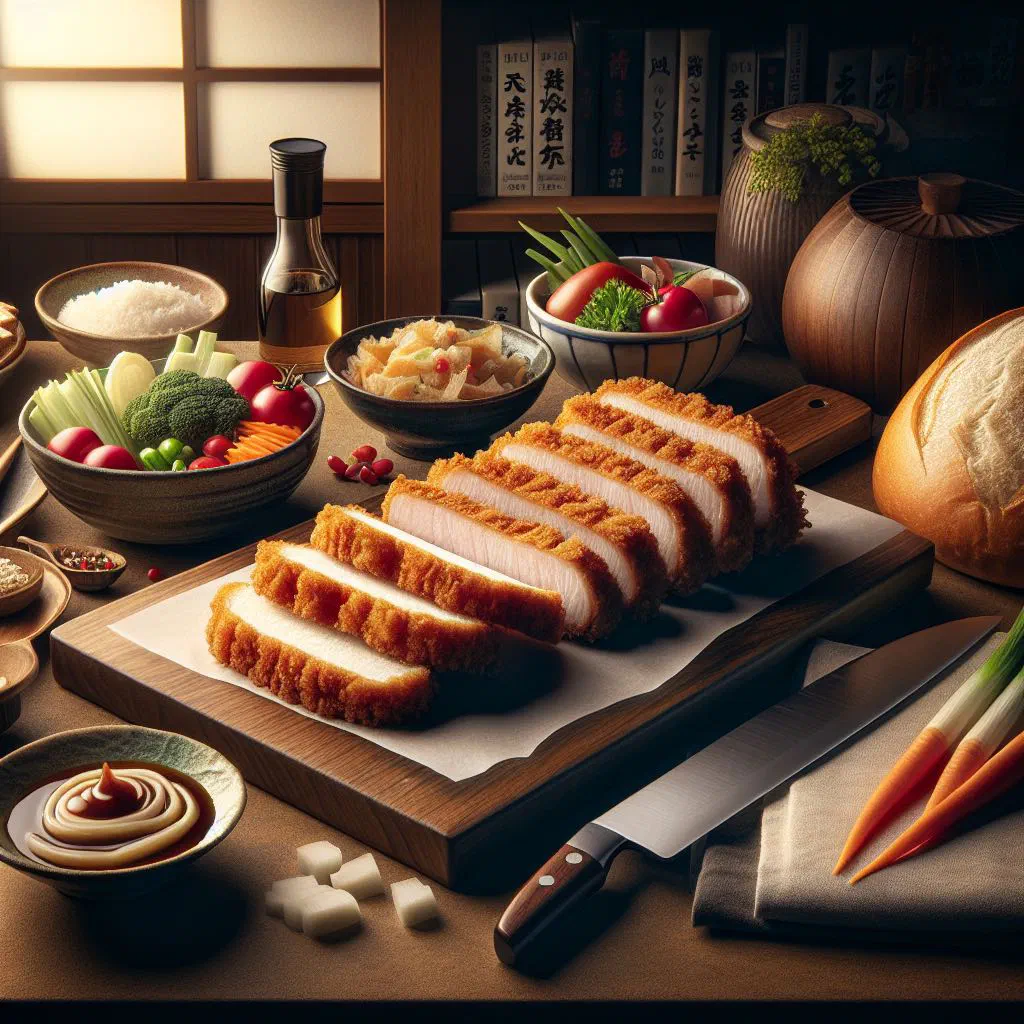
- Slice the meat into strips and layer it between the bread with cabbage and tonkatsu sauce.
- Cut the sandwich in half and serve warm.
Gluten-free / lactose-free version
For a gluten-free version of katsu sandō, swap the panko for gluten-free breadcrumbs and use gluten-free bread. Do check that the other ingredients, such as the sauce, are gluten-free too. For a lactose-free approach, choose a roll made without dairy or pick a sauce that contains no milk. With these small tweaks, even guests with specific dietary needs can enjoy the dish.
Tips for vegans and vegetarians
Vegans and vegetarians can enjoy katsu sandō too, simply by replacing the meat with tofu or a plant-based patty. Marinated and breaded vegetables such as aubergine or sweet potato also make delicious alternatives. For the coating, a mixture of chickpea flour and water works beautifully in place of the egg. Finish it off with a vegan sauce for maximum flavour, and you have a meat-free sandwich that loses none of its appeal.
More tips and tricks
When frying, make sure the oil is hot enough so the coating turns properly crisp and the meat cooks quickly. A kitchen thermometer is handy here for checking the temperature. To stop the sandwich going soggy, keep it briefly warm in the oven while you finish the other components. Freshly made, katsu sandō has the best flavour and texture, so it is best enjoyed straight after assembling.
Adapting the recipe to your taste
Katsu sandō is wonderfully easy to tailor to personal preference. Experiment with different proteins such as chicken or beef, and vary the size of the bread to suit your appetite, much like you might with a piece of crisp Torikatsu. You can also add different vegetables or sauces to bring in new flavour notes. That way every katsu sandō becomes an one-off creation you can shape exactly to your liking.
Ingredient substitutions
If you cannot get hold of panko, ordinary breadcrumbs will do, though the texture will not be quite the same. For the sauce, mix ingredients such as ketchup, Worcestershire sauce and honey to recreate a similar sweet-and-sour profile. The bread, too, can be swapped for wholemeal or sesame brioche, which makes the sandwich even more substantial, a trick that also works for the fried bites in Karaage. Alternatives like these keep the dish flexible and let you add a personal touch.
Drink pairing ideas
A range of refreshing drinks pairs beautifully with a hearty katsu sandō. A cold Japanese beer, such as Sapporo or Asahi, makes an ideal companion and works wonderfully with the sandwich’s flavours. For an alcohol-free choice, reach for green tea or a Japanese-style lemonade, both of which round off the dish nicely. Fresh fruit juices like apple or grape are another lovely option for a fruity twist.
Serving and presentation ideas
Presentation plays an important part in serving katsu sandō. Set the sandwich on a handsome plate or a wooden board, and garnish it with fresh cabbage or a slice of cucumber. Small bowls of extra sauce for dipping are a welcome touch and deepen the flavour. A scattering of fresh herbs or edible flowers adds a final flourish of finesse.
A bit of history
Katsu sandō has its roots in Japanese cuisine and is a clever reworking of the European breaded cutlet. The idea of serving deep-fried meat in bread grew steadily in popularity in Japan from the 19th century onwards. It became a classic feature of bento boxes and a perfect meal for eating on the go. Today katsu sandō is prized not only in Japan but internationally, symbolising the culinary meeting of East and West that runs through so much of Japanese cuisine, from the rice bowls of Butadon to the curry-soaked plates of Kare Raisu.
More recipe ideas
Summary: Katsu Sandō
Katsu sandō is a hearty treat that is simple to make and packed with rich, satisfying flavours sure to please your taste buds. With its colourful choice of ingredients and variations, the dish can be adapted to suit all kinds of preferences. Katsu sandō will win you over with its unique character. Give yourself the chance to bring the flavours of Japan into your home, and enjoy this much-loved sandwich.