National Dish Japan: Katsuobushi (Recipe)
In this article
Meet Katsuobushi, one of the great cornerstones of Japanese cooking. These wafer-thin shavings of cured, smoke-dried bonito carry a deep, savoury umami that has shaped Japanese kitchens for centuries. From a clear, fragrant broth to a finishing flourish on noodles and snacks, katsuobushi brings an unmistakable depth of flavour to whatever it touches. Bring this quietly powerful ingredient into your own kitchen and discover what makes it so beloved.
About Katsuobushi
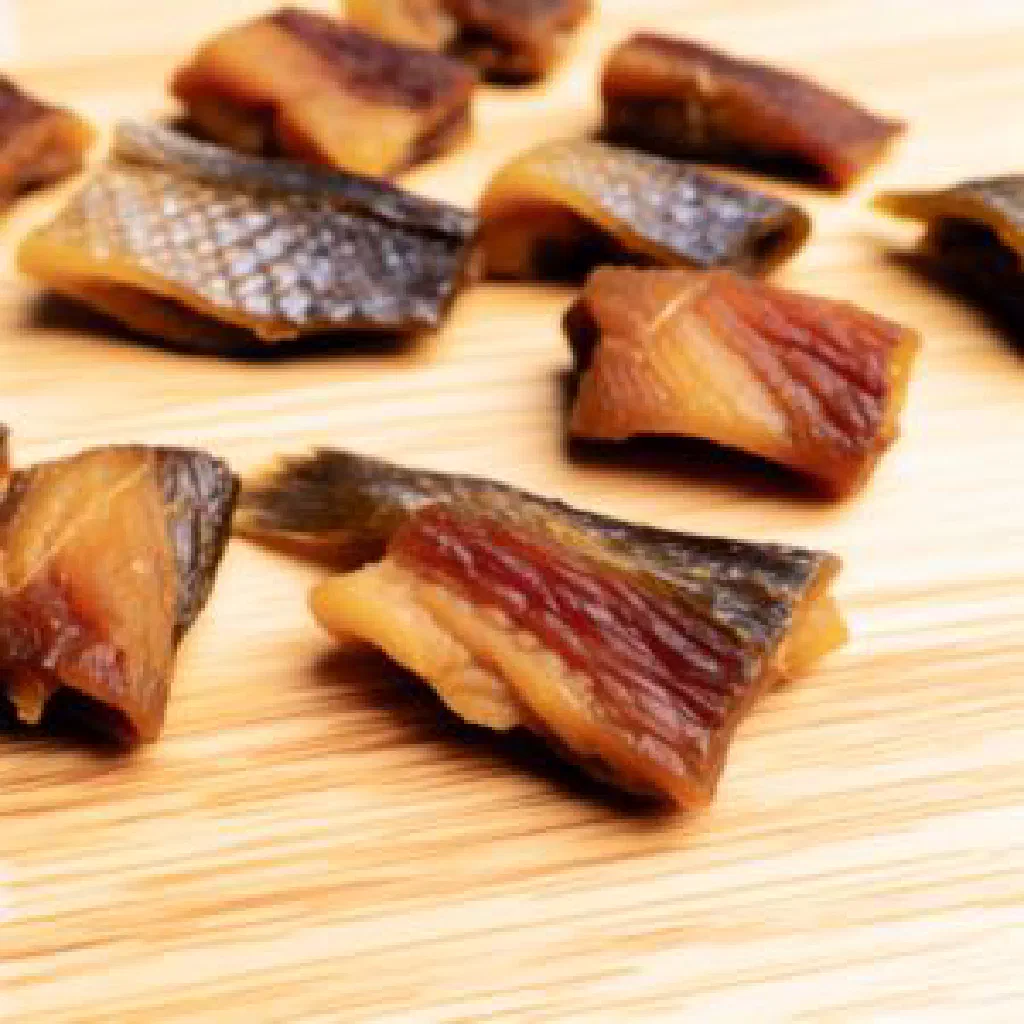
Katsuobushi is made by simmering, smoking and then drying the bonito fish, a painstaking process that gives it both its distinctive flavour and its remarkable shelf life. Traditionally it is used across Japan to enrich broths, sauces and even snacks, and that versatility is exactly what makes it such a treasured ingredient. Its concentrated, savoury character forms the backbone of countless dishes, and anyone who loves Japanese cooking will find it indispensable. Shaved into delicate flakes, it dissolves its rich aroma into whatever it meets.
Ingredients (serves 1–2)
- 50 g katsuobushi
- 1 litre water
- 1 sheet of kombu seaweed (optional)
- Salt to taste
Shopping for the ingredients
When shopping for katsuobushi, it is well worth paying attention to quality, as a good product contributes enormously to the depth of flavour. You will usually find it in Asian grocery shops or online, often packed as ready-shaved flakes. Kombu seaweed, frequently used to boost the savouriness of dashi, is stocked in the same shops. Look for packaging that is well sealed and carries a fresh date, since freshness makes all the difference to the final aroma.
Preparing the dish
Before you begin, it helps to have everything to hand so the process runs smoothly. If you are using kombu, soak it in the water first to draw out the best of its flavour. Keep your katsuobushi flakes in an airtight container so they stay fresh and fragrant right up to the moment you need them. Have a pan ready to bring the water up to a gentle simmer once all your ingredients are prepared.
Step-by-step instructions
- Bring the water to the boil in a pan and add the kombu seaweed.
- Let the water simmer over low heat for about 5 minutes.
- Remove the kombu and add the katsuobushi flakes to the water.
- Let the broth simmer for a further 5 minutes.
- Strain the broth through a fine sieve to remove the flakes, then season with salt to taste.
Gluten-free / lactose-free version
Katsuobushi broth is naturally gluten-free and lactose-free, as it relies on nothing more than fish and water. If you add further ingredients, simply make sure they are free from gluten and lactose too. When buying ready-made stocks or other convenience products, read the labels carefully, as hidden additives can slip in. With the right choices, this dish stays an effortlessly gluten- and lactose-free meal.
Tips for vegans and vegetarians
Katsuobushi itself is not suitable for vegans and vegetarians, since it is made from fish. A plant-based alternative is to build a vegetable broth using the same gentle cooking method. Roasted shiitake mushrooms are an excellent stand-in, lending a deep, savoury character much like that of Ohitashi. Combine vegetables such as carrots, celery and seaweed to coax out an umami-rich broth without any fish at all.
More tips and tricks
A neat trick for intensifying the flavour of katsuobushi is to toast the flakes lightly before adding them to the water, which releases extra roasted notes that enrich your dish. Experiment with the quantity to dial the taste in exactly as you like it, remembering that a smaller amount gives a milder result while more flakes deepen the intensity. A patient, low simmer always rewards you with a clearer, more aromatic broth. Strain gently to keep it bright and clean.
Adapting the recipe to your taste
The katsuobushi recipe is easy to shape around your own preferences. Vary the amount of flakes to reach the level of intensity you are after, leaning lighter for a delicate broth or heavier for something bolder. If you enjoy experimenting, add other seasonings and herbs to give the broth a personal signature. Show a little creativity and you will land on the flavour that suits your palate best.
Ingredient substitutions
If katsuobushi is hard to track down, dried fish or a good-quality plant-based stock can step in. They will not replicate the flavour exactly, but they still make a tasty base for many dishes, much as a hearty stock anchors a bowl of Oden. Ready-made dashi powder blends, widely sold in Asian shops, are another practical option. You can also try other fish or mushrooms to create a flavour tuned to your own taste.
Drink pairing ideas
When you serve a katsuobushi broth, a light, fresh sake pairs beautifully with its savoury notes. A crisp lager or a lively, fruity white wine works just as well to complement the depth of the broth. For an alcohol-free option, green tea is a refreshing choice that rounds off the umami flavours perfectly. Match the drink to the occasion and your own mood for a harmonious meal.
Serving and presentation ideas
You can lift the whole experience by serving katsuobushi dishes in good-quality bowls and dishes. Pour the broth into traditional Japanese tea bowls to underline its authentic character. A scattering of freshly sliced spring onions or a small portion of tofu enriches the dish both visually and in flavour, in much the same spirit as Yosenabe. A thoughtful garnish can elevate the entire meal.
A bit of history
Katsuobushi has a long history stretching back to the 16th century, when it first grew popular across Japan. Originally part of established preservation techniques, it evolved into an indispensable ingredient of Japanese cuisine. The making of katsuobushi is a respected craft that has been handed down through generations of artisans. The art of catching and processing bonito reflects the deep connection between the Japanese and their natural surroundings.
More recipe ideas
Summary: Katsuobushi
Katsuobushi is an indispensable ingredient of Japanese cooking, rich in both flavour and history. Its versatility runs from broths to sauces to snacks, making it a true all-rounder in the kitchen. With careful preparation and a few variations of your own, you can bring katsuobushi to life in your own home. Experiment with this aromatic, umami-packed ingredient and discover new facets of savoury depth.