National Dish Japan: Kinako Dango (Recipe)
In this article
Meet Kinako Dango, one of Japan’s most charming sweet treats. These soft, chewy little rice balls are coated in nutty roasted soybean flour, giving them a warm, toasty flavour and a very good texture. Often served at festivals and special gatherings, they make a good snack for quiet moments of indulgence too. Simple to prepare and naturally wholesome, they bring a taste of Japanese tradition straight to your kitchen.
About Kinako Dango
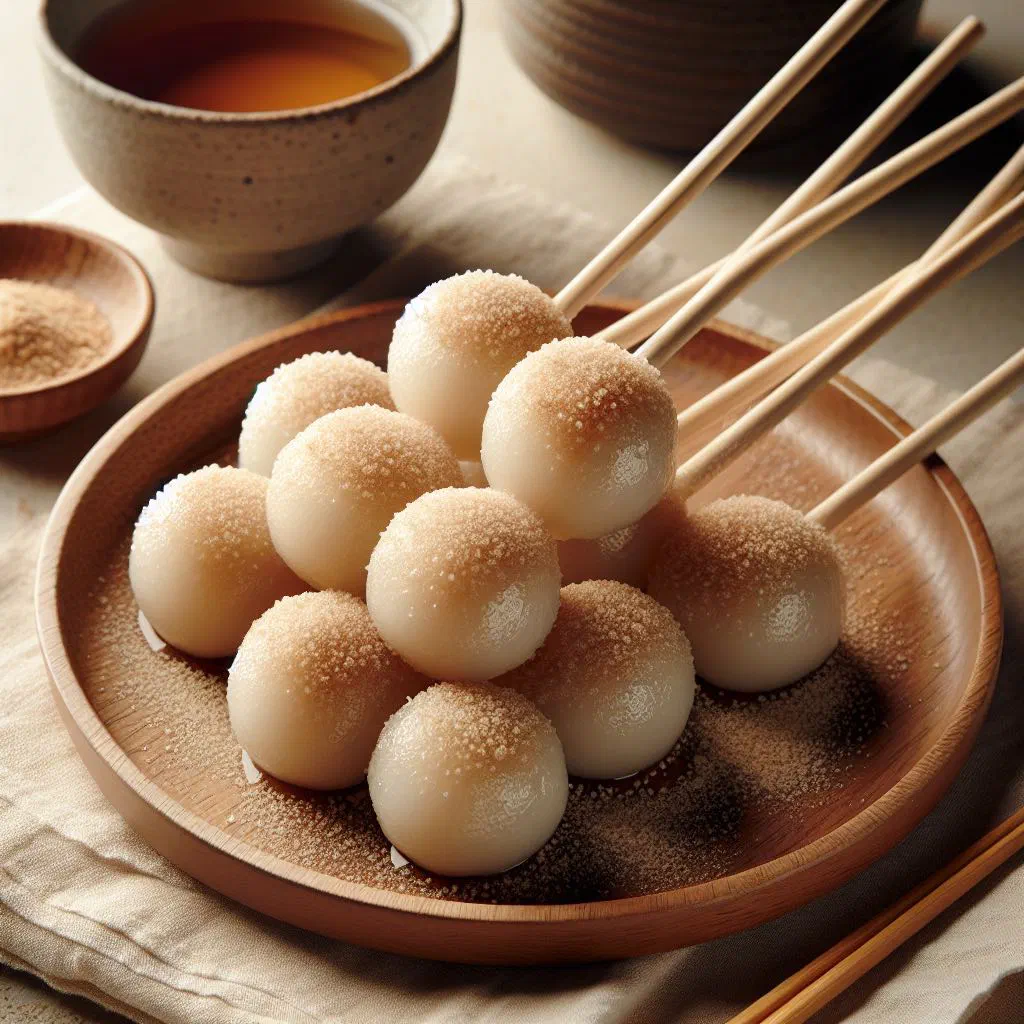
Kinako Dango are a genuine delicacy and a reflection of Japan’s rich culinary heritage. These small, round rice balls are a much-loved sweet, frequently served at festivals and on special occasions. The hallmark of Kinako Dango is their coating of roasted soybean flour, which lends the balls a distinctive flavour and an unmistakable texture. Beyond their delicious aroma, they also make a nourishing choice for a snack between meals.
Ingredients (serves 1–2)
- 100 g glutinous rice flour
- 30 g sugar
- 100 ml water
- 50 g kinako (roasted soybean flour)
- A pinch of salt
Shopping for the ingredients
To get the best results, it is important to use good-quality ingredients. Glutinous rice flour is key to achieving the right consistency for the dango. You will find a range of brands in Asian supermarkets or online. Be sure to buy fresh kinako as well, since its flavour is shaped by both the roasting and how fresh it is.
Preparing the dish
Preparing Kinako Dango is fairly straightforward and takes only a few steps. Begin by mixing the glutinous rice flour, sugar and a pinch of salt together well in a bowl. This blend forms the base for the rice balls. Then gradually add the water and knead everything into a smooth dough.
Step-by-step instructions
- Combine the glutinous rice flour, sugar and salt in a bowl.
- Slowly add the water and knead thoroughly until a smooth dough forms.
- Divide the dough into small portions and shape into round balls.
- Place the balls in a steamer and steam for about 15 minutes.
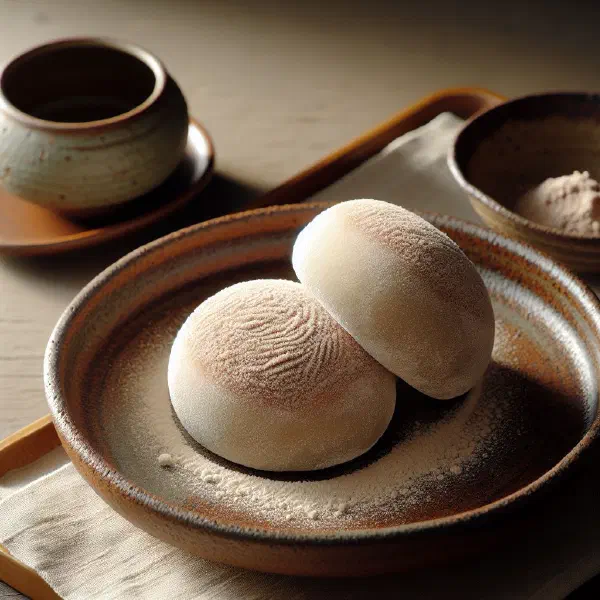
- Carefully arrange the dango on a plate and dust with kinako.
Gluten-free / lactose-free version
Kinako Dango is naturally gluten-free, as it is made with glutinous rice flour. Even so, do make sure that all the ingredients you use really are gluten-free, especially if you are using pre-packaged products. For a lactose-free version, no extra dairy component is needed in this recipe at all. Enjoy these delicious rice balls in their lactose-free form with no compromise on flavour.
Tips for vegans and vegetarians
Kinako Dango is an excellent choice for vegans and vegetarians, as it contains no animal products. To vary the sweetness, you can swap the sugar for alternative sweeteners such as maple syrup or agave nectar. Take care that the kinako you use is also vegan, since some brands may contain added ingredients. These tweaks make the recipe accessible to a wide range of dietary needs.
More tips and tricks
For an even better taste experience, you can work different fillings into the dango, such as anko (sweet bean paste) or fresh fruit. Experiment with the thickness of the kinako dusting too, adjusting the dango to your liking. A gentle toasted aroma in the kinako can deepen the flavour and make the dango even more appealing. The finish can also influence the final result. The same chewy, comforting quality also shines in Mitarashi Dango.
Adapting the recipe to your taste
This recipe is easy to adapt to personal preference by adding different flavours such as matcha, coconut or even a chocolate sauce. Each time you make it, you can add a new twist to keep things interesting. Consider adjusting the sweetness to suit your own palate too; less sugar gives a less sweet but equally delicious snack. Make the most of this flexibility to turn Kinako Dango into a memorable treat.
Ingredient substitutions
If you do not have glutinous rice flour to hand, you can also use rice flour, which gives a similar though slightly different texture. With the sweetness, you can experiment with honey or other natural sweeteners. For anyone with a soy intolerance, the kinako could be swapped for roasted oat flour, although this would alter the dish from its original form. For another flour-free chewy sweet, take a look at Kuzumochi.
Drink pairing ideas
Kinako Dango pairs beautifully with a range of drinks. A cup of green tea goes wonderfully with the sweet, nutty flavours of the dango. You could also serve a matcha latte or a roasted herbal tea to enrich the experience. For a festive touch, you might consider a Japanese sake to underline the dango’s delicious aromas.
Serving and presentation ideas
To present Kinako Dango stylishly, you can arrange them on beautiful Japanese tableware or a traditional serving platter. Adding fresh fruit or edible flowers makes the dish even more attractive. Be sure to set out a small bowl of extra kinako so guests can add more as they like. An appealing arrangement draws the eye and makes the dessert perfect for special occasions, much as a celebratory bowl of Zenzai would.
A bit of history
The origins of Kinako Dango reach back to the Edo period. They were often served at festivals and during the Japanese tea ceremony, giving them an important place in Japanese culture. Kinako, made from soybeans, also has a long history as a nourishing food that played a vital role in the diet. These traditions and the use of regional ingredients make Kinako Dango a culinary pleasure and a symbol of Japanese heritage, much like other treasured sweets of Japanese cuisine.
More recipe ideas
Summary: Kinako Dango
In summary, Kinako Dango is a delicious and nourishing addition to the Japanese kitchen. These little balls offer not only a unique flavour but are also versatile and adaptable to countless dietary preferences. By using regional ingredients and simple techniques, you can prepare this delicacy at home any time. Treat yourself and your loved ones to this tradition-rich snack, which appeals to both the palate and the eye.