National Dish Japan: Kinako Mochi (Recipe)
In this article
Discover Kinako Mochi, a gentle Japanese sweet that brings together the soft, springy chew of glutinous rice and the warm, nutty fragrance of roasted soya bean flour. Simple yet deeply satisfying, it makes a lovely afternoon treat or an elegant finish to a meal. With just a handful of ingredients and a few minutes in the microwave, you can bring a little piece of Japanese tradition to your own kitchen.
About Kinako Mochi
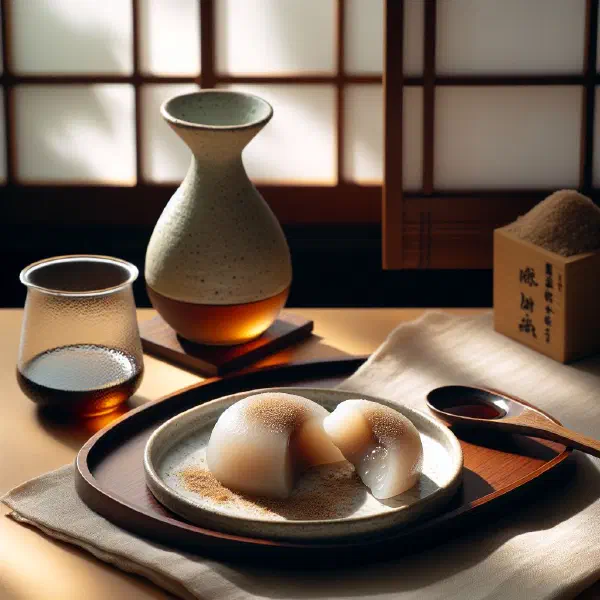
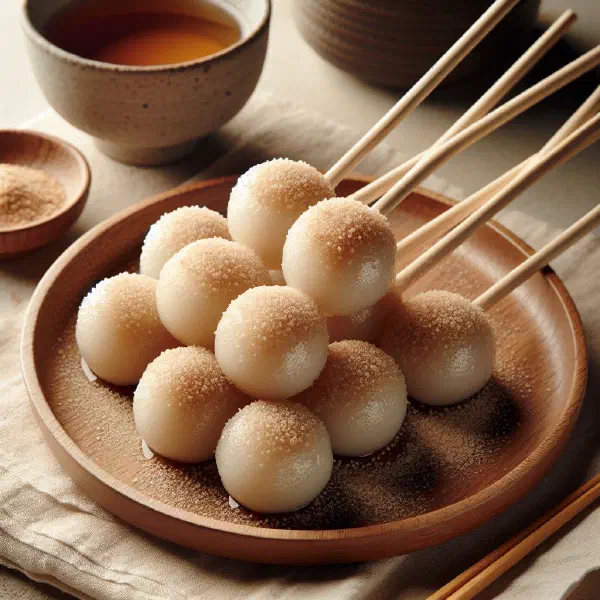
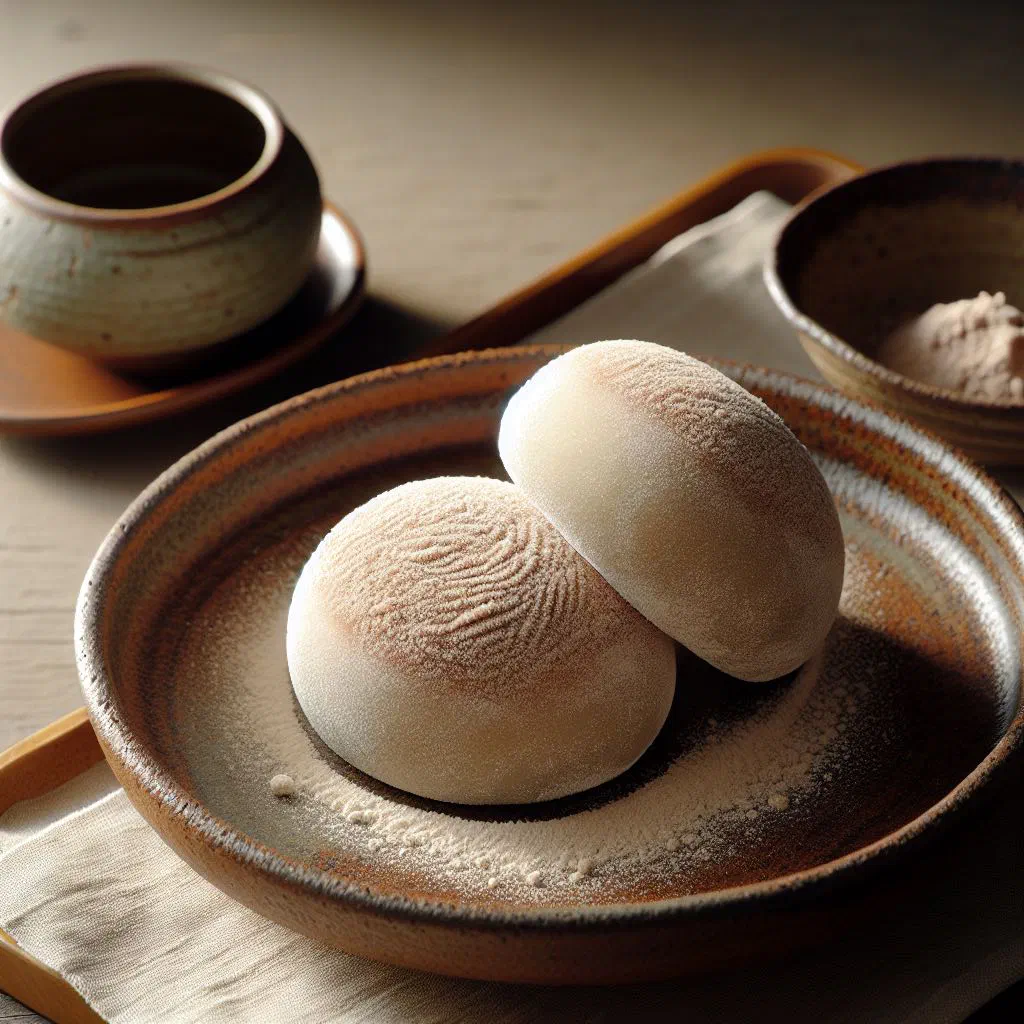
Kinako Mochi is a classic Japanese dessert prized as much for its tender, chewy texture as for the nutty aroma of roasted soya bean flour. It is a wonderful marriage of the natural sweetness of glutinous rice and the distinctive, toasty flavour of kinako, which is made from specially processed soya beans. Its plain yet inviting presentation makes it an ideal snack or dessert for any occasion. More than a treat, Kinako Mochi carries a genuine sense of Japanese culture and tradition to the table.
Ingredients (serves 1–2)
- 100g glutinous rice flour (mochiko)
- 50ml water
- 2–3 tablespoons kinako (roasted soya bean flour)
- 1–2 tablespoons sugar, to taste
- Cornflour, for dusting
Shopping for the ingredients
The ingredients for Kinako Mochi are easy to find in most Asian supermarkets and online shops. Take care to choose good-quality roasted soya bean flour, as this has a big influence on the flavour of your mochi. Glutinous rice flour, also known as mochiko, is just as essential and is usually sold in packs that work for a variety of Japanese sweets. Where you can, buy freshly roasted kinako to get the very best aroma for your dessert.
Preparing the dish
Before you start making Kinako Mochi, set up a clean, tidy work surface so the whole process runs smoothly. It helps to weigh out all the ingredients in advance and keep them within easy reach. You should also have a shallow bowl or plate of cornflour ready for dusting, which stops the mochi from sticking. Once everything is in place, you are ready to begin.
Step-by-step instructions
- In a bowl, mix the glutinous rice flour and sugar together thoroughly.
- Add the water slowly, stirring until you have a smooth batter.
- Transfer the batter to a microwave-safe bowl and cook on high for about 2 minutes.
- Take it out, knead well, then cook for a further 1–2 minutes until the mixture turns slightly translucent.
- Tip the finished dough onto a surface dusted with cornflour and leave it to cool.
- Once cooled, portion the dough and cut or shape it into small pieces.
- Roll the mochi pieces in kinako to coat them all over, and enjoy.
Gluten-free / lactose-free version
The lovely thing about Kinako Mochi is that it is naturally gluten-free, since the glutinous rice flour it uses contains no gluten despite its name. To keep your dessert lactose-free, simply stick to water and avoid any dairy products. As no animal products are needed, this recipe is also perfectly suited to a vegan diet, so even those with particular dietary needs can enjoy it.
Tips for vegans and vegetarians
For all vegans and vegetarians, Kinako Mochi is a perfect choice, as it contains no animal products whatsoever. When it comes to the sugar, you can reach for alternative sweeteners such as agave syrup or coconut blossom sugar. These options can enrich the flavour and, in some cases, add a little extra nutritional value too. Choose your ingredients with care to keep the treat as wholesome as possible.
More tips and tricks
To make preparing Kinako Mochi as easy as possible, have all your utensils and ingredients laid out in advance. Use a silicone mat or a sheet of baking paper to stop the dough from sticking. If the dough feels too tacky to handle, dust it with a little extra cornflour so it is easier to work with. It is also worth storing the finished mochi in an airtight container to keep them fresh, much as you would the chewy Kuzumochi.
Adapting the recipe to your taste
The recipe for Kinako Mochi is easy to adjust to suit your own preferences. You might vary the ratio of sugar to kinako, for example, to find exactly the balance your palate enjoys. You can also add different fillings, such as sweet red bean paste or pieces of fresh fruit, to create new flavour combinations. This flexibility makes it an exciting dessert for any occasion.
Ingredient substitutions
If you cannot find glutinous rice flour, you can try replacing it with rice flour, though this will slightly change the texture of the mochi. As a sugar alternative, natural sweeteners such as honey or maple syrup work well and lend the recipe a special character. For the coating, you can also swap the kinako for ground nuts or desiccated coconut. These small changes give you a whole range of different flavours for your Kinako Mochi.
Drink pairing ideas
To round off the experience of Kinako Mochi, several drinks pair beautifully with it. A Japanese green tea harmonises wonderfully with the mochi’s nutty notes. Alternatively, a matcha latte lends the dessert an extra layer of depth. Freshly pressed fruit juices, such as peach or mango juice, offer a refreshing counterpoint to the sweet flavours.
Serving and presentation ideas
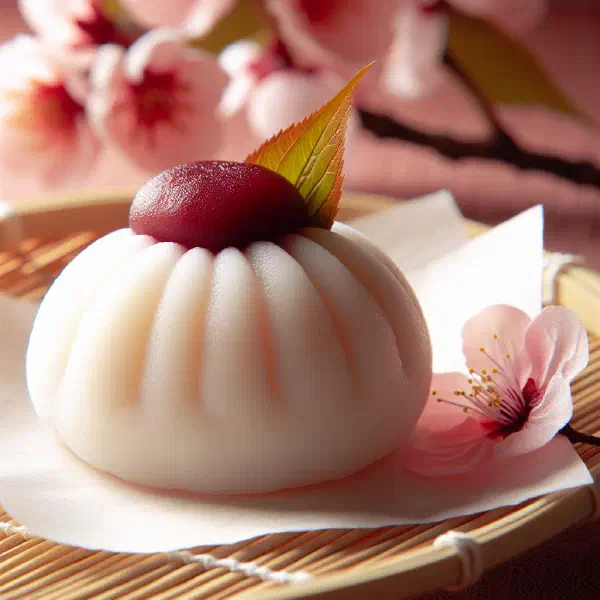
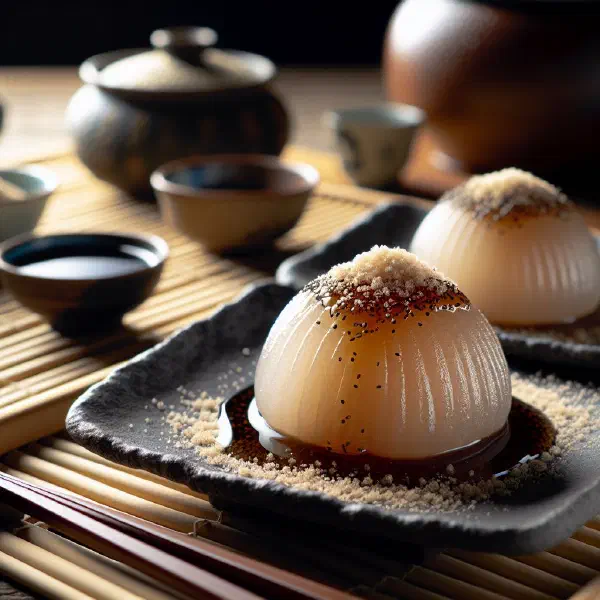
Presentation plays an important part in the pleasure of Kinako Mochi. Serve the pieces on a pretty plate, perhaps topped with a little fresh fruit or a few edible flowers. Colourful napkins or a decorative dish can lift the look even further. Let your creativity run free and set the scene with an inviting atmosphere that will pleasure your guests, in the same spirit as a sweet bowl of Zenzai.
A bit of history
Kinako Mochi has a long history in Japanese cuisine, reaching back to ancient Japan. It has traditionally been eaten to mark special occasions and celebrations, making it a fixture of cultural events. The use of soya bean flour as an ingredient has deep roots in Japanese agriculture and diet. Today it is enjoyed not only across Japan but around the world, where it is reinterpreted in many different variations.
More recipe ideas
Summary: Kinako Mochi
In short, Kinako Mochi is a delicious dessert and a way to get a little closer to Japanese culture. With its tender texture and inviting aroma, there are countless ways to adapt the recipe and tailor it to your own tastes. Its versatility makes it an ideal snack or a sweet finish to any meal. Try making your own Kinako Mochi and let its flavours work their magic.