National Dish Japan: Konnyaku (Recipe)
In this article
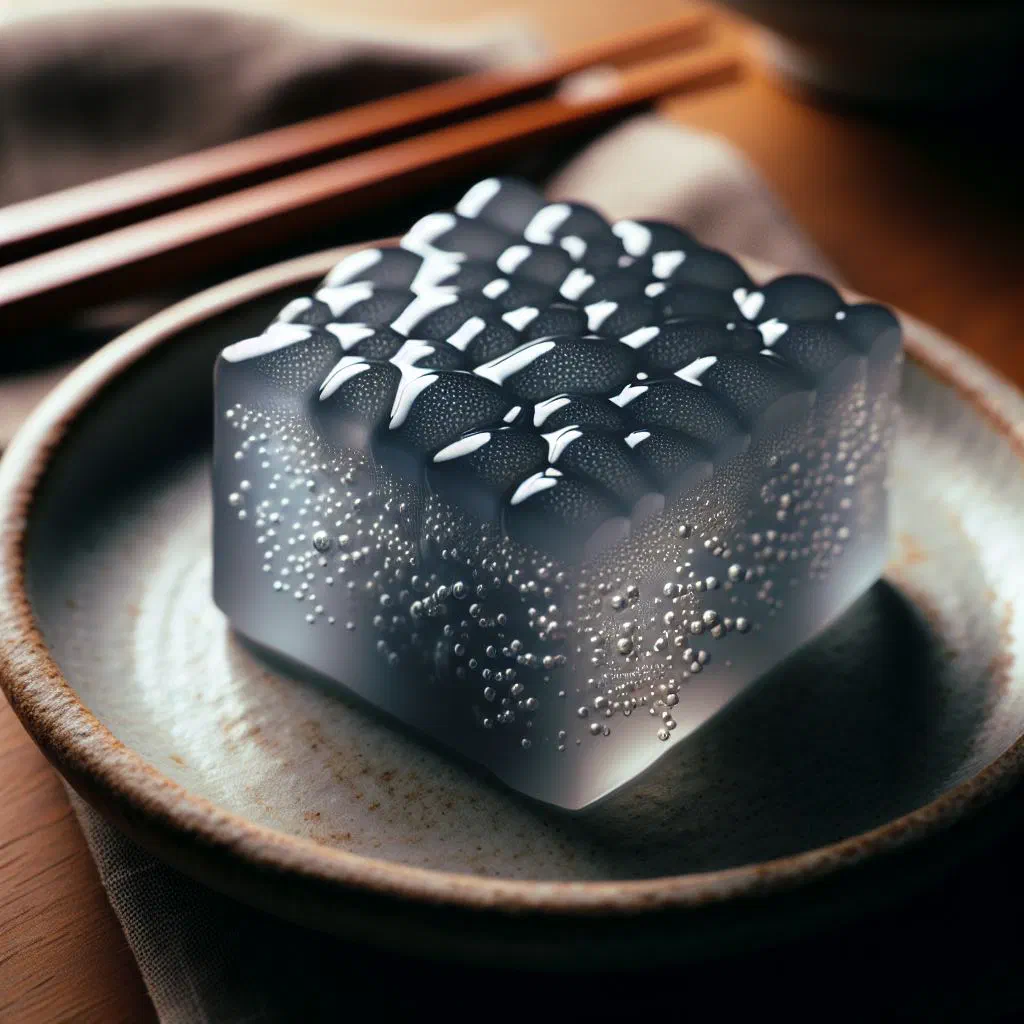
Discover Konnyaku, one of Japan’s most intriguing and wholesome ingredients. Made from the root of the konjac plant, this gelatinous, almost calorie-free food has been quietly nourishing Japanese kitchens for centuries. With its springy bite and remarkable knack for soaking up flavour, konnyaku turns a handful of simple seasonings into a light, satisfying dish. Bring a touch of mindful Japanese cooking to your own table with this easy, healthy recipe.
About Konnyaku
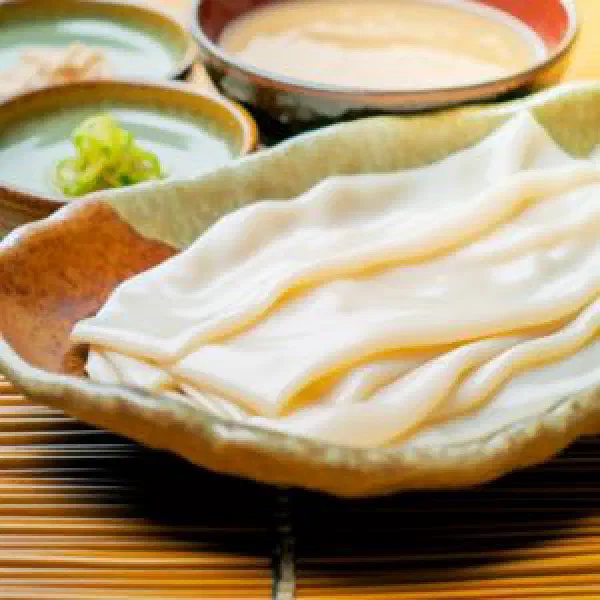
Konnyaku, sometimes sold as konjac noodles, is an one-of-a-kind, low-calorie food made from the root of the konjac plant. Its distinctive gelatinous texture has made it a firm favourite across Asian cooking, lending dishes an unusual and pleasing mouthfeel. Beyond its springy bite, konnyaku is prized for its high fibre content, and it happens to be virtually sugar-free. That makes it an excellent choice for anyone looking to fold lighter, health-conscious ingredients into their everyday meals.
Ingredients (serves 1–2)
- 200g konnyaku
- 1 tablespoon soy sauce
- 1 teaspoon sesame oil
- 1 small carrot, cut into julienne
- 1 spring onion, sliced into rings
- 1 teaspoon fresh ginger, grated
- Chilli to taste
- Fresh herbs to garnish (such as coriander or parsley)
Shopping for the ingredients
When choosing konnyaku, look for fresh products from an Asian supermarket or a well-stocked grocery shop. Check that it comes sealed in its watertight pouch and that the use-by date has not passed. Fresh vegetables such as carrots and spring onions are easy to pick up at the supermarket or your local market. For the best results, reach for a good-quality soy sauce and sesame oil, as these two seasonings carry much of the dish’s flavour.
Preparing the dish
Before you start cooking, it is important to rinse the konnyaku thoroughly under running water to neutralise its characteristic aroma. Once rinsed, cut it into your preferred shape, strips or cubes both work well. Prepare the vegetables at the same time, slicing them into matching sizes so everything cooks evenly.
Step-by-step instructions
- Heat the sesame oil in a pan over medium heat.
- Add the grated ginger and fry briefly until fragrant.
- Add the carrots and the konnyaku, and stir-fry everything for about 3–5 minutes.
- Pour the soy sauce over the vegetables and let it cook for a further 2–3 minutes.
- Stir in the spring onions and chilli to taste, mixing well.
- Serve the dish warm, garnished with fresh herbs.
Gluten-free / lactose-free version
Konnyaku is naturally gluten-free and lactose-free, which makes it an ideal choice for anyone managing those food intolerances. Do take care, though, to use a gluten-free soy sauce, as standard versions often contain wheat. There are dedicated gluten-free soy sauces that deliver just as much flavour. The same caution applies to any stocks or broths you add, check that none of them slip in gluten-containing ingredients.
Tips for vegans and vegetarians
This dish is wonderfully suited to a vegan or vegetarian lifestyle, and any animal products can be swapped out for plant-based alternatives with ease. Tamari, for instance, makes a fine stand-in for ordinary soy sauce while also keeping things gluten-free. You can also bulk the dish out with a wider variety of vegetables to boost both nutrients and flavour. Beans or tofu are excellent additions if you want a protein-rich result.
More tips and tricks
To make cooking with konnyaku even simpler, soak it in water beforehand to soften it and shorten the cooking time. Experiment with different spices and herbs to give the dish your own personal stamp. A squeeze of lemon juice adds a welcome freshness and lift just before serving. And remember to store any leftovers well so you can put them to creative use in your next meal.
Adapting the recipe to your taste
This recipe is easy to tailor to personal preference. Add other vegetables such as peppers or courgette, for example, or scatter over a few nuts to finish. For a spicier result, work in extra seasonings like garlic or chilli. If the dish seems a touch dry, try adding a splash of vegetable stock to bring more moisture and depth, much as you might when simmering a comforting bowl of Yosenabe.
Ingredient substitutions
If you do not have soy sauce to hand, you can reach for coconut-based soy sauces or other savoury, plant-based sauces instead. An interesting alternative is a pea-protein-based sauce, which helps you achieve the flavours you are after. You can also use olive oil in place of sesame oil if that taste suits your preferences better, a flexible approach that also serves you well in a dish like Kinpira Gobo.
Drink pairing ideas
A dish featuring konnyaku pairs beautifully with green tea or jasmine tea, both of which complement Japanese cooking wonderfully. A cool, light beer is another good match that draws out the savoury notes of the meal. For an alcohol-free option, fruity lemonades or homemade vegetable and fruit juices work nicely. These drinks offer refreshment while harmonising effortlessly with the gentle flavours of konnyaku.
Serving and presentation ideas
An appealing presentation can make all the difference in appealing people to the table. Use colourful plates or bowls to highlight the vivid tones of the vegetables. Decorate the dish with fresh herbs and a slice of lime to add a little extra visual appeal. Small dishes of sauces or dips make an attractive addition too, and they round out the eating experience, an idea that works just as well alongside Oden.
A bit of history
Konnyaku has a long history in Japanese cooking, reaching back as far as the 6th century. It was originally eaten by monks and during periods of fasting, valued for the way it fills the stomach while remaining very low in calories. In Japanese society it was also regarded as a healing food, thanks to its high-quality dietary fibre and health-giving properties. Today konnyaku is popular not only across Japan but around the world, a true staple of Japanese cuisine.
More recipe ideas
Summary: Konnyaku
In short, konnyaku is not only a nutritious ingredient but an extraordinarily versatile one that finds a home in countless dishes. Whether as an alternative to pasta or as a side, there are endless ways to enjoy this traditional Japanese food. It wins people over with its neutral flavour and its many health benefits, making it a clever addition to any kitchen. Give it a go and discover the many sides of konnyaku for yourself.