National Dish Japan: Kurikinton (Recipe)
In this article
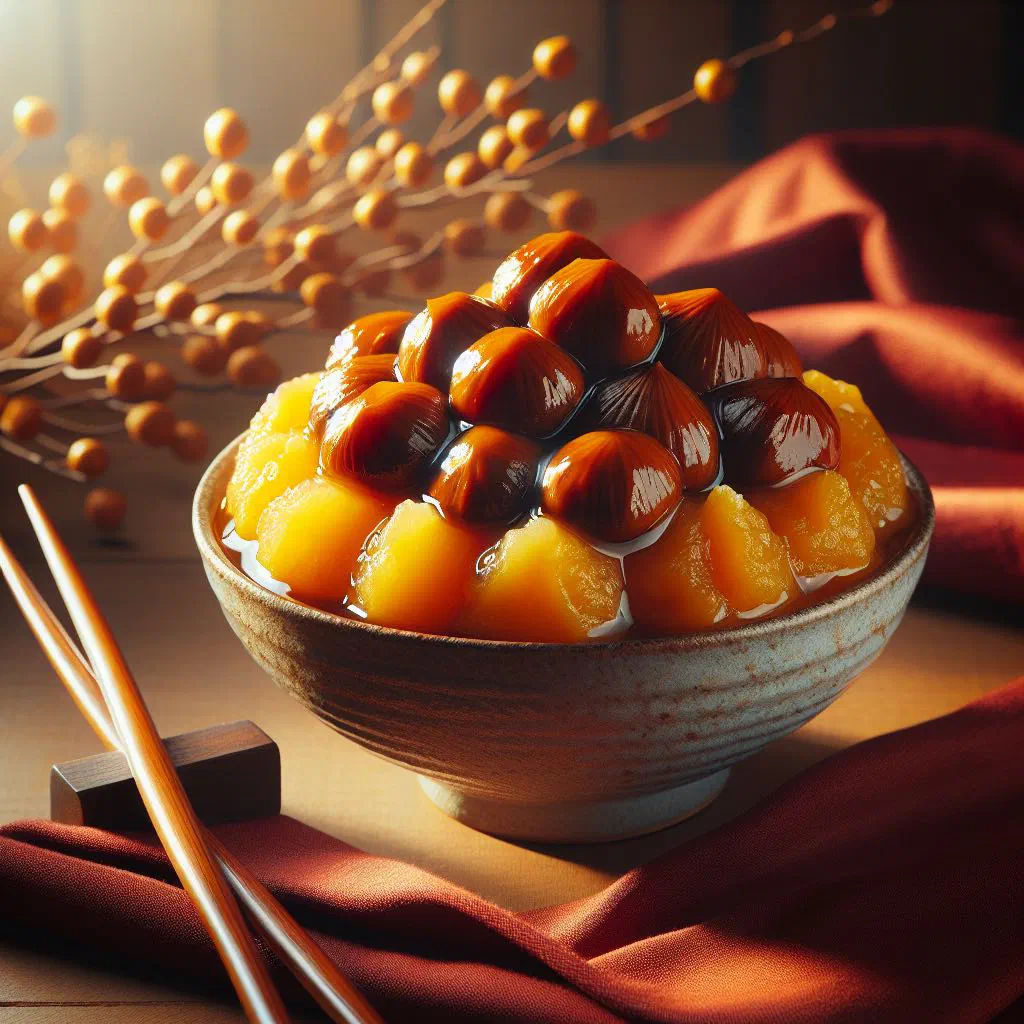
Meet Kurikinton, a jewel of the Japanese festive table that turns humble chestnuts into something quietly luxurious. Sweet and smooth, with a gentle savoury note from miso, this dish is a New Year favourite said to bring prosperity and good fortune. Its glowing golden colour and silky texture make it a genuine showstopper, and the recipe is far simpler than its elegant reputation suggests.
About Kurikinton
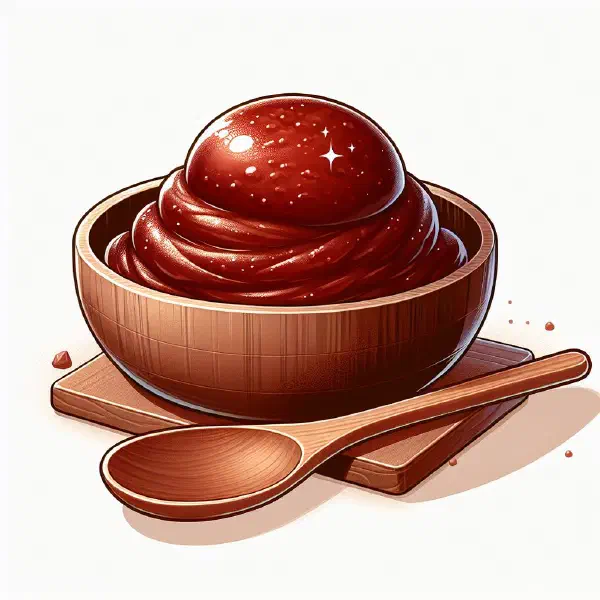
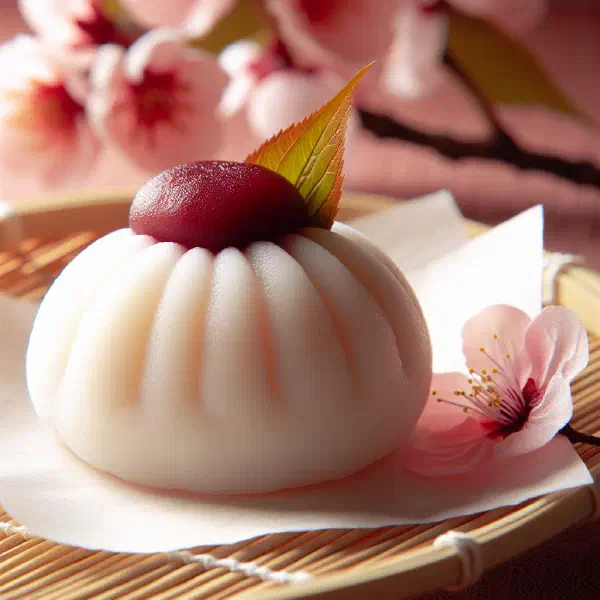
Kurikinton is a traditional Japanese dish especially prized at festive occasions. This delicate chestnut speciality brings together sugar and miso to strike a harmonious balance between sweetness and umami. In Japan it is often served at New Year celebrations and other festive events, where it symbolises prosperity and good luck. Its refined flavour and distinctive texture make it a real highlight on any table.
Ingredients (serves 1–2)
- 200 g chestnuts
- 2 tablespoons miso
- 50 g sugar
- Water (for boiling)
- A pinch of salt
Shopping for the ingredients
When shopping for kurikinton, it is important to choose fresh, good-quality chestnuts. These are at their best in season, from October to December. Miso comes in many forms and flavours, so it is worth experimenting a little to find the perfect match for your palate. Sugar, too, is available in plenty of varieties, for an authentic note, try using an unrefined sugar.
Preparing the dish
Preparing kurikinton is comparatively simple, though it does call for a little patience. First, the chestnuts need to be boiled and then peeled, which takes a touch of dexterity and time. The miso and sugar should also be measured out and ready before they are folded through the chestnuts. The interplay of these ingredients is crucial to the final result, so keep an eye on the proportions as you go.
Step-by-step instructions
- Bring the chestnuts to the boil in a pan of water and cook for about 10 minutes until soft.
- Drain the chestnuts and peel them straight away, while they are still hot.
- Tip the peeled chestnuts into a bowl and mash or purée them until you have a smooth paste.
- Add the miso and sugar and mix thoroughly until everything is evenly combined.
- Spoon the mixture into a suitable mould and chill until set, if you like.
Gluten-free / lactose-free version
Kurikinton lends itself beautifully to a gluten-free and lactose-free preparation. The dish is made up mainly of chestnuts and miso, the latter being naturally gluten-free as long as you choose a gluten-free variety. Take care to use lactose-free alternatives where needed, particularly in any other recipes you might pair it with. That way you can be sure the dish suits every guest, whatever their dietary needs.
Tips for vegans and vegetarians
For vegans and vegetarians, kurikinton is a good way to enjoy a sweet treat with no animal products at all. Just make sure the miso you use is made from plant-based ingredients and contains no fish sauce or other animal derivatives. This small check makes the dish suitable not only for vegans but for anyone looking to eat a little more wholesomely. Try different blends to discover your own favourite balance.
More tips and tricks
To get the most out of your kurikinton, you can fold in a few extra flavourings to make things more interesting. A pinch of vanilla or cinnamon adds welcome depth, while toasted nuts bring a pleasing bit of crunch. Give your creativity free rein and test out different combinations until you land on a mix that suits your taste perfectly.
Adapting the recipe to your taste
Everyone’s palate is different, so it is worth adjusting the basic kurikinton recipe to your own preferences. You might vary the amount of miso or sugar depending on how sweet or savoury you like it. If you favour a pronounced nutty note, you could add ingredients such as extra chestnuts or almonds. Tweaks like these let you shape the dish entirely to your liking.
Ingredient substitutions
Sometimes a particular ingredient is hard to find, or allergies are a concern. In such cases you can replace the miso with tahini or another nut butter that offers a similar texture. When it comes to the sugar, alternative sweeteners such as coconut blossom sugar work well and bring a little extra flavour. Substitutions like these can enrich the dish while also helping to address any health considerations.
Drink pairing ideas
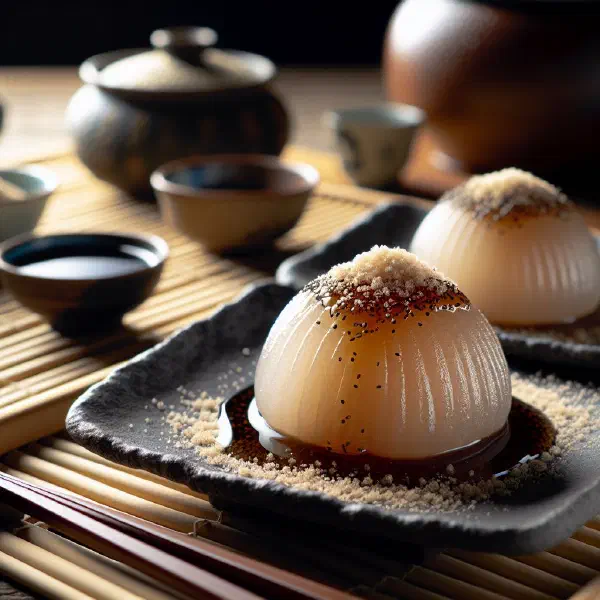
For a thoroughly successful feast, it is worth considering drinks that harmonise with kurikinton. A light green tea or a fine sake pairs perfectly with the flavours of the dish. A fruity, citrus-based cocktail can also make for a refreshing accompaniment. Just take care not to choose anything too dominant, so the delicate taste of kurikinton is not overpowered. A cup of green tea is a lovely match for many sweets in Japanese cuisine.
Serving and presentation ideas
The presentation of your kurikinton can make a real difference to the overall impression. Serve the dish in a stylish bowl and garnish it with a few fresh herbs or edible flowers for a visually appealing finish. The way you arrange it on the plate can also help spark interest and whet the appetite. Presentation is all about creativity, so do not hesitate to try out different approaches.
A bit of history
Kurikinton has a long history in Japanese culture. It was originally prepared as part of osechi-ryori, the traditional New Year meal served in Japan. The pairing of miso and chestnuts has its roots in the country’s rural cooking and reflects a deep connection to nature. Over time, kurikinton has grown into a cherished treat for special occasions, symbolising happiness and prosperity. It often shares the festive lacquered box with simmered dishes such as Chikuzenni and Nishime.
More recipe ideas
Summary: Kurikinton
In short, Kurikinton is a captivating and delicious dish that embodies the tradition of Japanese cooking. It offers a well-balanced blend of flavours and is a symbol of festive occasions and togetherness. The preparation is easily adapted to suit personal tastes and dietary needs.