National Dish Japan: Kuzumochi (Recipe)
In this article
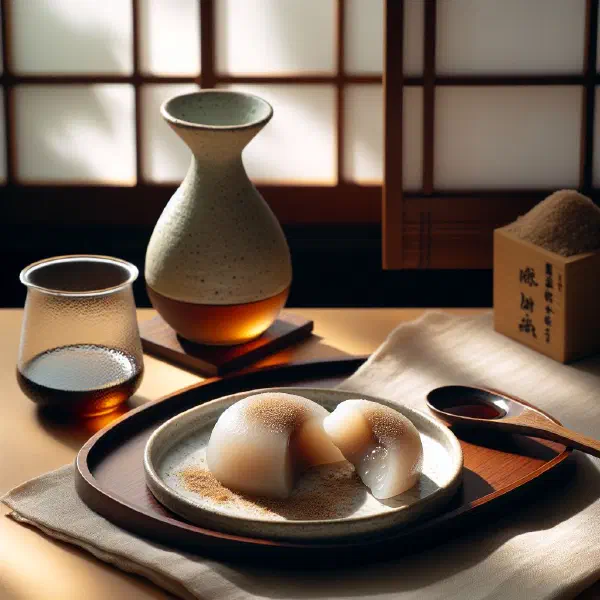
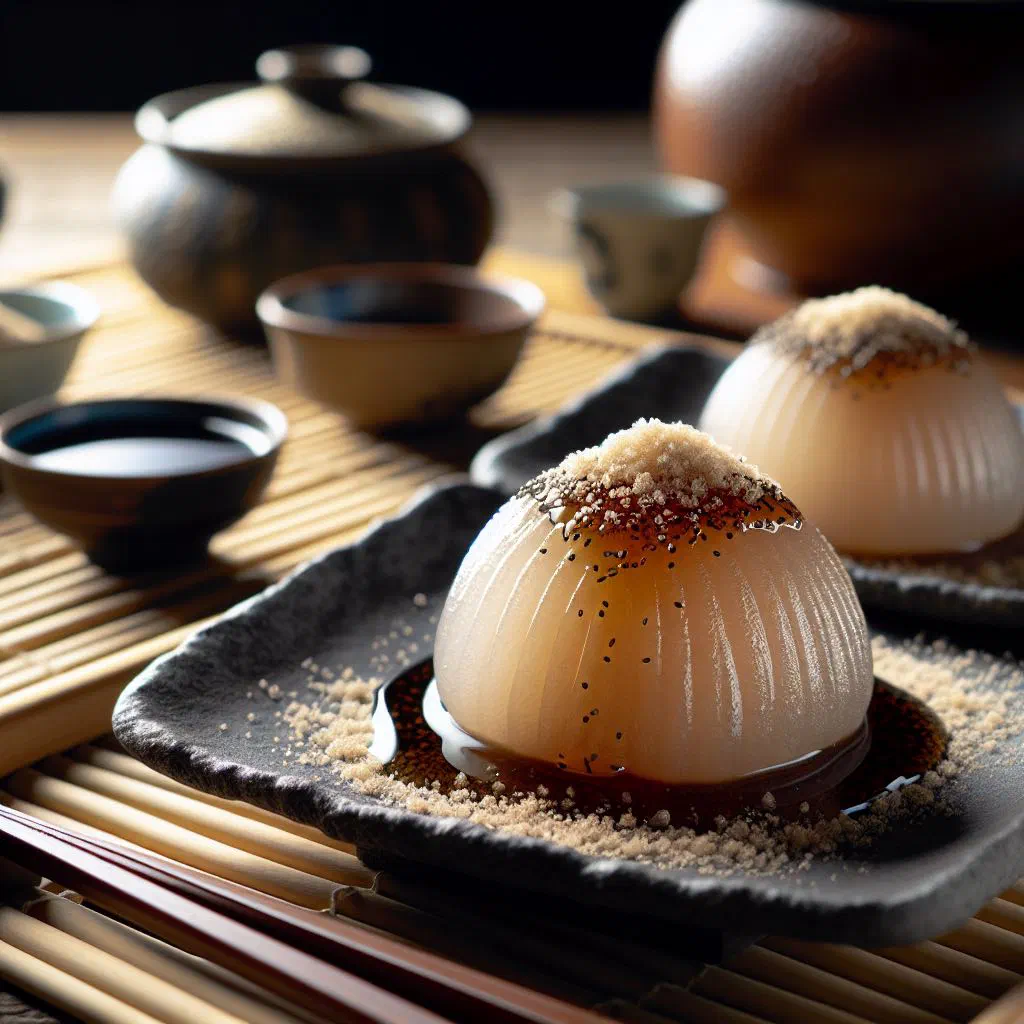
Meet Kuzumochi, a quietly elegant Japanese dessert that wins you over with its silky, jelly-like wobble and its gentle, barely-there sweetness. Made from the starch of the humble kuzu root, it is naturally gluten-free and lactose-free, which makes it a friendly choice for almost any table. Dusted with nutty soya flour and served with a trickle of syrup, this is the kind of treat that turns a simple afternoon into a small celebration.
About Kuzumochi
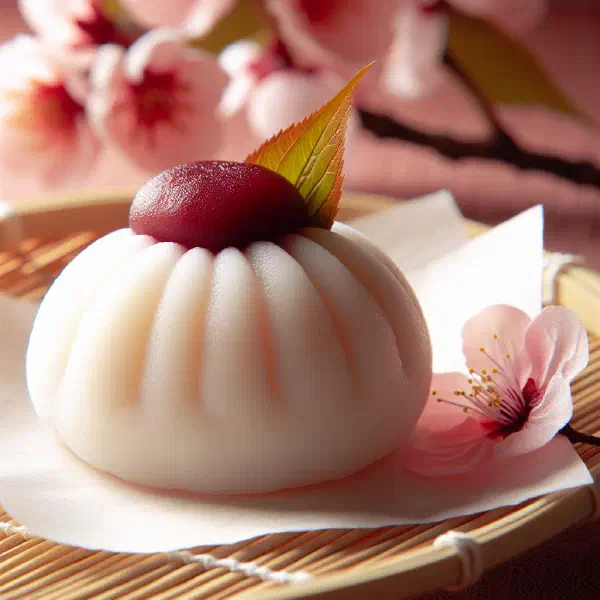
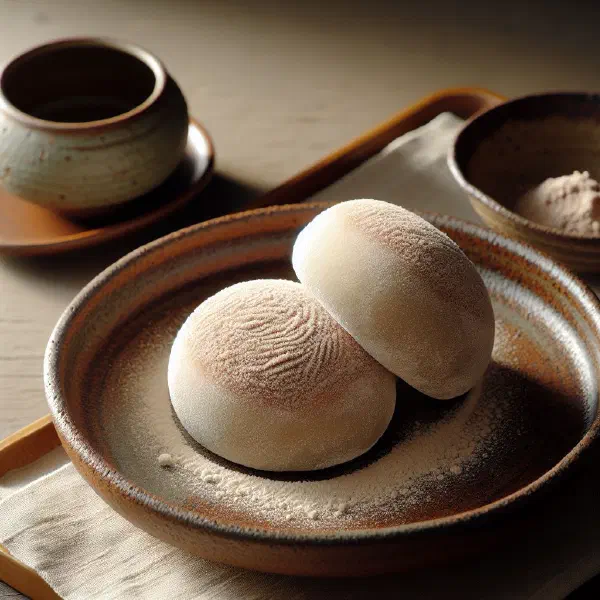
Kuzumochi is a traditional Japanese dessert prized for its distinctive texture and its subtle, understated flavour. It is made from kuzu starch, which is extracted from the root of the kuzu plant. This gluten-free sweet is delicious and nourishing, and it carries a long history within Japanese culture. In Japan, kuzumochi is often served on special occasions and remains a much-loved favourite to this day.
Ingredients (serves 1–2)
- 50 g kuzu starch
- 200 ml water
- 50 g kuzu mizuyokan (sweet syrup)
- 1–2 tablespoons sweet soya flour (kinako)
- A little honey or an alternative sweetener, to taste
Shopping for the ingredients
The best place to find the ingredients for kuzumochi is an Asian supermarket or a specialist online shop that stocks Japanese products. The kuzu starch is the main component, used in many Japanese kitchens. Be sure to choose good-quality products to get the very best result. The sweet soya flour, also known as kinako, adds an extra note of flavour that pairs beautifully with this dessert.
Preparing the dish
Preparing kuzumochi is straightforward and calls for only a few basic steps. First, gather your ingredients and make sure you have all the necessary utensils to hand. It helps to mix the kuzu starch with water in advance so that no lumps form. Take your time getting the consistency right, as this is what makes all the difference to the finished dessert.
Step-by-step instructions
- In a bowl, mix 50 g kuzu starch with 200 ml water until you have a smooth mixture.
- Pour the mixture into a small pan and heat over a medium flame, stirring constantly.
- The mixture will thicken as it heats — take care that it does not catch or burn.
- Once it reaches a pudding-like consistency, take it off the heat and pour it into a shallow dish.
- Leave it to cool and set at room temperature before cutting it into pieces.
Gluten-free / lactose-free version
Kuzumochi is naturally gluten-free, as it is made with kuzu starch, which contains no gluten. It is also lactose-free, making it an ideal choice for anyone with intolerances. Do take care that any additional ingredients, such as syrups and toppings, are gluten- and lactose-free as well. That way, everyone can enjoy this delicious dessert regardless of dietary restrictions.
Tips for vegans and vegetarians
For vegans, kuzumochi is a wonderful option, as it contains no animal products at all. You can sweeten the dessert to taste by using plant-based sweeteners such as agave syrup or maple syrup in place of honey. There are plenty of plant-based choices for the toppings, too. Sweet soya flour (kinako) is also vegan and lends the perfect flavour to round off your kuzumochi.
More tips and tricks
To make the perfect kuzumochi, a few handy tips are worth keeping in mind. Mix the kuzu starch thoroughly with the water to avoid lumps, and keep stirring as it warms so the consistency stays even throughout. If you want to adjust the texture to your liking, simply vary the amount of water or kuzu starch. Experiment a little to find the version that suits you best.
Adapting the recipe to your taste
Kuzumochi is easy to tailor to your own preferences. If you enjoy fruity flavours, for example, you can fold puréed fruit or pieces of fruit into the mixture. Adding nuts or seeds can enrich the flavour profile too. Don’t forget to play with different sweeteners to find the perfect sweet spot for your palate.
Ingredient substitutions
If you struggle to find kuzu starch, you can use another gluten-free starch such as cornflour or arrowroot, which can give similarly good results. For the toppings, instead of sweet soya flour you might try other gluten-free flours to create different flavours, much like the playful textures you’ll find in Mitarashi Dango or Zenzai. Experiment with different sweeteners and sauces to discover authentic Japanese flavours.
Drink pairing ideas
To round off your kuzumochi experience, a few well-chosen drinks come highly recommended. A lightly chilled tea such as green tea or matcha complements the dessert’s sweetness beautifully. A glass of Japanese sake also works splendidly to deepen the flavours. If you would prefer something more refreshing, try a sparkling mineral water or a light, citrusy lemonade that sits nicely alongside the dessert’s gentle notes.
Serving and presentation ideas
Presenting kuzumochi can be simple yet striking. Serve the pieces in small bowls or on attractive dessert plates, garnished with a dusting of sweet soya flour and some fresh fruit. You might also add edible flowers to give the dessert extra visual appeal. A thoughtful arrangement turns any meal into a special occasion and lets this delicate sweet take centre stage.
A bit of history
Kuzumochi has a history in Japanese cooking and has been prepared for centuries. The use of kuzu starch, extracted from the root of the kuzu plant, goes back to ancient Japanese traditions in which kuzu was also valued for medicinal purposes. Though it has regional roots, it has grown into a popular dessert right across Japan and is one of the gentle, refined sweets that define Japanese cuisine. Its simplicity and versatility make it a timeless classic, still treasured today.
More recipe ideas
Summary: Kuzumochi
In short, kuzumochi is a delicious and wholesome Japanese dessert that is easy to make at home. It offers a gluten-free and lactose-free option that suits both vegans and vegetarians. Its springy, jelly-like texture and subtle aroma make it a genuine treat, and it lends itself wonderfully to personal touches. Give kuzumochi a try and discover the good variety of Japanese desserts.