National Dish Japan: Kyo Tsukemono (Recipe)
In this article
Discover Kyo Tsukemono, the elegant Kyoto art of pickling vegetables that has pleased Japanese tables for centuries. These bright, crunchy pickled vegetables balance sweet, sour and salty notes in a way that is wonderfully refreshing, making them the perfect side to a bowl of rice or a satisfying nibble on their own. Best of all, they are simple to prepare at home and a lovely way to capture the flavour of seasonal produce.
About Kyo Tsukemono
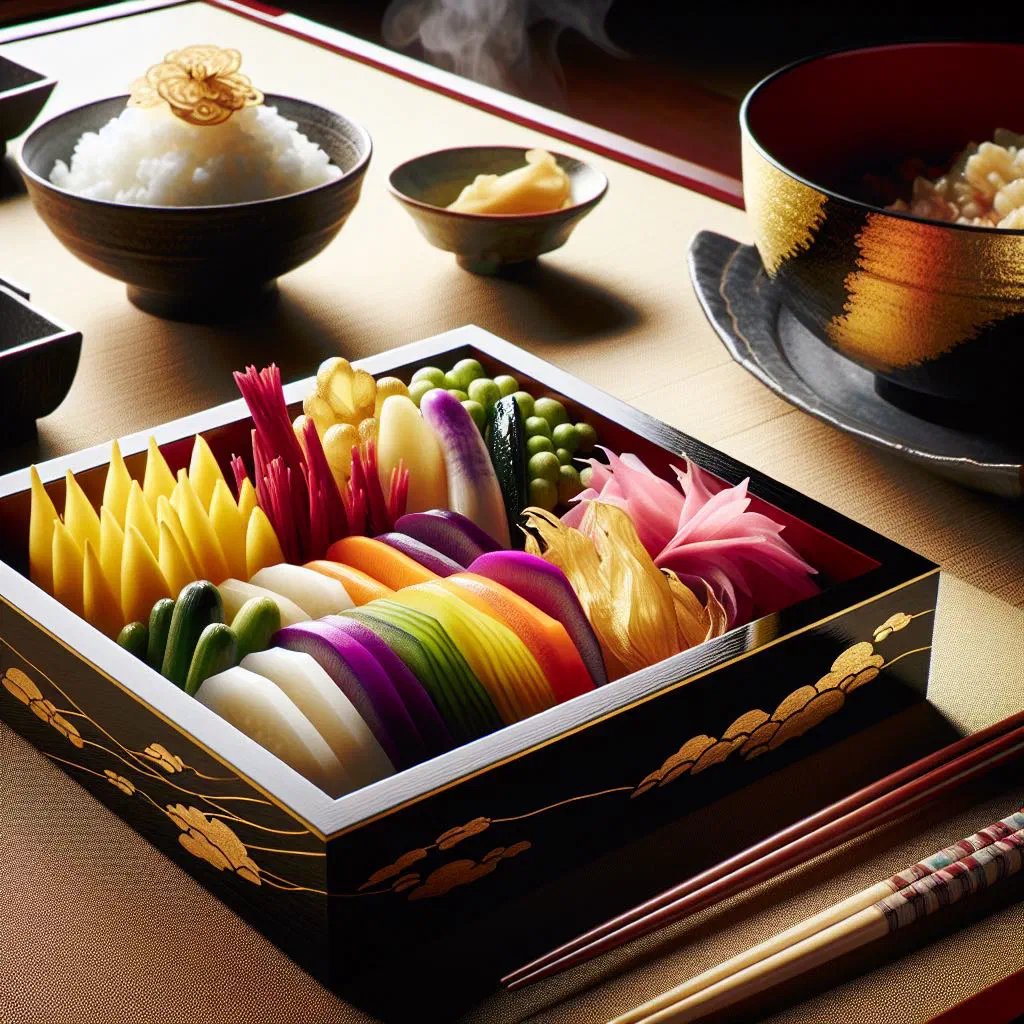
Kyo Tsukemono is the traditional craft of pickling vegetables that comes from Kyoto, Japan. These delicious pickled vegetables are a treat for the palate and a wonderful way to preserve the freshness and flavour of seasonal produce. Typical ingredients include daikon, carrots and cucumber, steeped in a mixture of sweetness, acidity and saltiness. The result is a harmonious burst of flavour that works beautifully both as a side to rice and as a snack to enjoy throughout the day.
Ingredients (serves 1–2)
- 1 small daikon
- 1 carrot
- 1 cucumber
- 2 tablespoons salt
- 3 tablespoons rice syrup
- 2 tablespoons rice vinegar
- 1 tablespoon soy sauce (optional)
Shopping for the ingredients
To get the best results for Kyo Tsukemono, it is worth buying fresh, high-quality ingredients. The daikon and the other vegetables are especially important, as they form the foundation of the flavour. Your best bet is to visit an Asian supermarket or a farmers’ market to make sure you find the right produce. Look for vegetables that are crisp and fresh-looking, so you can be sure of the best texture and taste in the finished dish.
Preparing the dish
Preparing Kyo Tsukemono is straightforward and genuinely enjoyable. Start by washing the vegetables thoroughly and trimming off the ends. The daikon should be cut into thin slices, while the carrot is cut into julienne strips and the cucumber is sliced. This groundwork is essential to ensure the vegetables pickle evenly and the flavours penetrate properly.
Step-by-step instructions
- Combine the prepared vegetables in a bowl with the salt and knead them well to draw out the excess water.
- In a separate bowl, mix together the rice syrup, rice vinegar and, if using, the optional soy sauce.
- Transfer the vegetables to a sterilised glass jar and pour the liquid over the top.
- Seal the container and chill in the fridge for at least 24 hours so the flavours can develop fully.
Gluten-free / lactose-free version
Preparing Kyo Tsukemono is naturally gluten-free and can easily be made lactose-free too. Simply use gluten-free soy sauce if you would like to add it. Otherwise, the basic recipe calls only for fresh vegetables and the ingredients listed above, all of which are lactose-free. That way, anyone with these intolerances can enjoy this delicate dish without compromise.
Tips for vegans and vegetarians
The recipe for Kyo Tsukemono is already vegan, as it uses only plant-based ingredients. Just take particular care that the soy sauce is a vegan variety, should you decide to include it. This dish pairs wonderfully with other vegan and vegetarian dishes and can be a real highlight on a buffet or as part of a healthy meal. A bowl of Ohitashi alongside makes for an equally light, plant-forward spread. Enjoy the flexible possibilities of this traditional dish.
More tips and tricks
To intensify the flavours of Kyo Tsukemono, you can keep the pickled vegetables in an airtight container in the fridge for more than a week. The longer they steep, the deeper the flavour becomes. Experiment with different vegetable varieties, such as peppers or courgette, to discover new tastes. Another tip is to add your favourite aromatics, such as ginger or garlic, to the pickling mixture for an extra layer of flavour.
Adapting the recipe to your taste
The wonderful versatility of Kyo Tsukemono lets you adjust the recipe to your own personal preferences. You can vary the amount of sugar or salt to suit your taste, and the choice of vegetables can be adapted to whatever is in season and readily available. If you enjoy this kind of refined home cooking, the multi-course tradition of Kaiseki Ryori offers plenty of further inspiration.
Ingredient substitutions
If you do not have certain ingredients to hand, or would rather not use them, there are plenty of alternatives for Kyo Tsukemono. For example, rice syrup can be replaced with honey or another sweetener, if you do not need to keep things strictly vegan. The rice vinegar can likewise be swapped for other vinegars such as apple cider vinegar, although this may alter the flavour of the dish slightly. Give it a go and find the combination you like best.
Drink pairing ideas
Pair Kyo Tsukemono with traditional Japanese drinks to round off the culinary experience. A lovely cup of green tea goes beautifully with the flavours of pickled vegetables and creates a harmonious balance. Alternatively, you could serve a chilled, lightly sweet sake or a crisp Japanese lager.
Serving and presentation ideas
To present Kyo Tsukemono attractively, arrange the pickled vegetables on a decorative plate or in a small bowl. Add fresh herbs such as shiso or coriander to make the dish look even brighter. For a special touch, use little glass jars or dishes to serve the vegetables, whose different colours create a real visual feast. An appealing presentation brings even more enjoyment to the meal, much as it does with a beautifully filled Onigiri.
A bit of history
Kyo Tsukemono has a long and fascinating history that reaches back to the Edo period. Originally used as a preservation technique to keep vegetables available through the winter months, pickling has, over the centuries, evolved into a treasured element of Japanese cuisine. Kyoto is renowned for its unique and refined Tsukemono variations, often tailored to special occasions and festivals. This tradition is a firm fixture of Japanese food culture and reflects the deep connection between nature and nourishment that also runs through dishes like Takenoko Gohan and the wider world of Japanese cuisine.
More recipe ideas
Summary: Kyo Tsukemono
In summary, Kyo Tsukemono is a delicious dish and an expression of Japanese culture and culinary history. By using fresh ingredients and the art of pickling, you bring a wealth of flavours into your kitchen that serve splendidly both as a side and as a snack. Preparing these pickled delicacies is both simple and rewarding. Let the flavours and traditions of Japan inspire you and enjoy your very own Kyo Tsukemono.