National Dish Japan: Miso Katsu (Recipe)
In this article
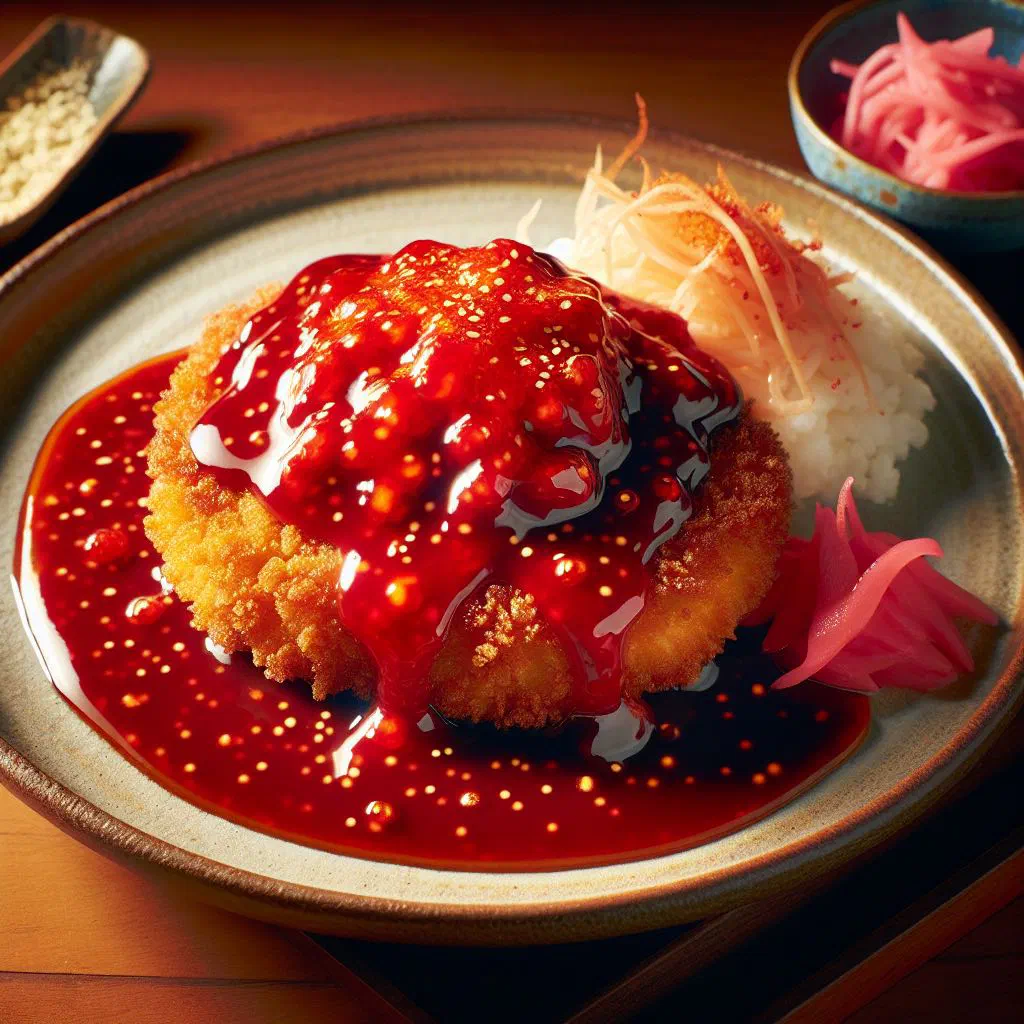
Discover Miso Katsu, a soulful speciality from the Japanese city of Nagoya. This dish brings together a golden, crisp breaded cutlet and a deeply savoury miso sauce for a plateful of pure umami comfort. The tender meat soaks up the glossy, slightly sweet glaze, while a bowl of steamed rice and crisp vegetables round things off beautifully. It is the kind of meal that appeals to serious food lovers and casual diners alike.
About Miso Katsu
Miso Katsu is a fascinating Japanese speciality that makes a real treat for anyone who appreciates good food. The marriage of a deep-fried cutlet with a fragrant miso sauce creates a flavour you will not forget in a hurry. The tender meat carries warm, harmonious umami notes that coax the palate and lift the spirits of every keen eater. Miso Katsu is typically served with rice and crunchy vegetables, which makes the dish a highlight not only in flavour but in appearance too.
Ingredients (serves 1–2)
- 2 pork cutlets (or chicken)
- 100 g panko (Japanese breadcrumbs)
- 1 egg
- 50 g plain flour
- 200 ml vegetable oil (for frying)
- 3 tablespoons miso paste (red or white)
- 2 tablespoons mirin (sweet rice wine)
- 1 tablespoon soy sauce
- Cooked rice, to serve
- Fresh vegetables (such as broccoli or carrots), to serve
Shopping for the ingredients
When shopping for the ingredients for Miso Katsu, it pays to look closely at quality. The miso paste is the heart of the dish and should be fresh and aromatic. Asian supermarkets often stock a wide range of miso pastes in different varieties, so you can choose between a mellow white or a punchier red. Do not forget to pick up panko as well, since these airy breadcrumbs give the cutlet its ideal crunch.
Preparing the dish
Before you start cooking Miso Katsu, it is important to have everything prepped and ready. The cutlets should be pounded to an even thinness so they fry up wonderfully crisp. Set up a coating station with the flour, beaten egg and panko in separate bowls. The miso sauce can also be mixed ahead of time, giving the flavours a chance to blend together properly before serving.
Step-by-step instructions
- Pound the cutlets to an even thickness and season with salt and pepper.
- Dredge each cutlet first in flour, then in beaten egg, and finally in panko.
- Heat the vegetable oil in a pan and fry the breaded cutlets until golden brown.
- For the miso sauce, combine the miso paste, mirin and soy sauce in a small pan and warm gently until the paste dissolves.
- Arrange the fried cutlets on a plate and spoon the miso sauce generously over the top.
- Serve with cooked rice and fresh vegetables.
Gluten-free / lactose-free version
For a gluten-free take on Miso Katsu, swap the plain flour for a gluten-free blend and use gluten-free breadcrumbs in place of panko. Check that the miso paste is gluten-free too, as some varieties contain barley. For a lactose-free version there is very little to change, since most of the ingredients are naturally free of dairy. Simply double-check the sauce components to be sure, much as you would with a comforting bowl of Kare Raisu.
Tips for vegans and vegetarians
Miso Katsu also works beautifully in a vegan version. Simply replace the cutlet with tofu or seitan and bread it in exactly the same way. For the egg, reach for a flaxseed egg substitute or chickpea flour to help the coating cling. The miso sauce itself is often vegan-friendly, though it is worth checking the soy sauce for any animal-derived ingredients. With these tweaks, vegans and vegetarians can enjoy the dish too, just as they might a plate of crisp Karaage made with plant-based protein.
More tips and tricks
To get Miso Katsu just right, keep a close eye on the oil temperature while frying. Too cool and the cutlet turns greasy; too hot and it scorches before the inside is done. A kitchen thermometer is a real help here. It is also wise not to crowd the pan, fry the cutlets in small batches so they cook evenly and stay crisp all over.
Adapting the recipe to your taste
The Miso Katsu recipe is easy to tailor to your own preferences. Experiment with the coating by adding extra seasoning to the panko, or try a different protein altogether. The miso sauce can be adjusted to taste too, perhaps with a little garlic or fresh ginger stirred in. Be creative and find the combinations that suit you best, the same playful spirit you might bring to a Katsu Sandō.
Ingredient substitutions
If you do not have miso paste to hand, a mix of tahini and soy sauce will give you a similar savoury depth. Likewise, panko can be replaced with ordinary breadcrumbs, though this will change the texture slightly. For a touch more sweetness, work a little honey or agave syrup into the miso sauce. It adds an interesting new dimension. Bear in mind, though, that this moves the dish away from the traditional recipe.
Drink pairing ideas
Choosing the right drink can take the Miso Katsu experience up a notch. A cold Japanese beer pairs wonderfully, complementing the rich flavours of the sauce. Alternatively, fruit juices such as apple or pineapple make a refreshing accompaniment. Wine lovers should reach for a light, fruity white wine, which sits beautifully against the umami-rich notes of the dish.
Serving and presentation ideas
A thoughtful presentation can lift the whole meal. Serve Miso Katsu on a large plate and garnish with fresh herbs or a scattering of toasted sesame seeds. A mound of cooked rice as the base and a selection of colourful steamed vegetables complete the picture. Use attractive little bowls for the miso sauce to present the dish with style, in the spirit of refined Japanese cuisine.
A bit of history
Miso Katsu has its origins in Nagoya, Japan, where it is a regional twist on the classic katsu dish. The pairing of a crisp cutlet with a savoury miso sauce took shape in the 20th century and has been hugely popular ever since. Miso itself has a long tradition in Japanese cooking and is made from fermented soybeans, much like the miso that flavours a classic Saba Miso. This deep-rooted history lends the dish a cultural meaning that goes well beyond simple enjoyment.
More recipe ideas
Summary: Miso Katsu
To sum up, Miso Katsu is not only a feast for the palate but a celebration for all the senses. The combination of a tender, breaded cutlet and a savoury miso sauce makes this dish a must for anyone who loves Japanese cooking. It lends itself to all sorts of adaptations and comes together with simple, everyday ingredients. Do not miss the chance to be won over by this delicious Japanese speciality.