National Dish Japan: Miso Soup (Recipe)

In this article
Few dishes capture the heart of the Japanese table quite like Miso Soup. Warming, restorative and quietly comforting, this gentle broth balances deep umami with the clean simplicity of tofu and seaweed. It graces breakfast bowls and elegant dinners alike, ready in minutes yet rich with centuries of tradition. This soup offers a soothing first taste of Japan.
About Miso Soup
Miso Soup, known in Japan as miso shiru, is a fundamentally traditional dish that holds a treasured place in Japanese cuisine. It brings together a savoury umami flavour and wholesome ingredients in one beautifully aromatic bowl. The soup is most often served as a nourishing starter, though it can just as easily stand alone as a light main course. Its preparation is wonderfully simple, which makes it appealing to complete beginners and seasoned cooks in equal measure.
Ingredients (serves 1–2)
- 2 cups water
- 2 tablespoons miso paste (white or red)
- 100 g firm tofu, cubed
- 1 handful seaweed (nori or wakame)
- 1 spring onion, finely chopped
- Optional: vegetables such as carrot or daikon, cut into fine pieces
Shopping for the ingredients
When shopping for miso soup, pay close attention to the quality of the miso paste, as it shapes the flavour of the whole dish. Miso is widely available in Asian grocery stores and online. The tofu should be as fresh and firm as possible to give the best texture in the broth. Don’t forget the seaweed, which is important for its aroma and for the extra nutrients it brings to the bowl.
Preparing the dish
Before you begin cooking Miso Soup, it helps to have everything ready to hand. Cut the tofu into small cubes and chop the vegetables finely. Depending on the type, the seaweed can either be soaked in advance or added straight to the broth. This little bit of groundwork makes the cooking far smoother and ensures all the ingredients are evenly distributed throughout the soup.
Step-by-step instructions
- Bring 2 cups of water to the boil in a saucepan.
- Add the cubed tofu and the vegetables, then let everything simmer for 5 minutes.
- Stir the miso paste into a small bowl with a little of the warm broth until it has dissolved completely.
- Return the miso mixture to the pan and add the seaweed along with the spring onions.
- Serve the soup hot and enjoy your delicious Miso Soup.
Gluten-free / lactose-free version
Making Miso Soup gluten-free or lactose-free is straightforward and calls for only a few adjustments. Be sure to use a gluten-free miso, as conventional miso pastes can contain wheat. Tofu and most vegetables are naturally gluten-free and lactose-free, much like the wholesome vegetables in Nishime. These small changes mean that even those following special diets can enjoy the soup’s traditional flavours.
Tips for vegans and vegetarians
For vegans and vegetarians, Miso Soup is an ideal choice, as it offers plenty of plant-based protein. To make the most of its nutrients, add extra vegetables such as spinach or broccoli. Avoid animal products by reaching for a vegetable stock rather than the traditional fish-based dashi. That way the dish stays entirely plant-based while still delivering its signature umami-rich flavour.
More tips and tricks
One key tip when making Miso Soup is never to boil the miso paste, as doing so destroys its beneficial enzymes. Always stir the paste into warm broth and add it only towards the end of cooking. It is also well worth experimenting with different ingredients, such as mushrooms or extra vegetables, to discover new flavours. Versatility is one of this soup’s great strengths.
Adapting the recipe to your taste
Miso Soup is easily tailored to personal preference. For a spicier bowl, add a little chilli or fresh ginger. If you enjoy a nuttier note, scatter in toasted sesame seeds or peanuts for added texture, much as you might in a Wafu Salad. Different varieties of miso paste are also available, so you can try whichever best suits your taste.
Ingredient substitutions
If you don’t have certain ingredients to hand, Miso Soup is wonderfully easy to adapt. The tofu, for example, can be swapped for another protein such as tempeh or seitan. The seaweed is not strictly essential either, though it can be replaced with other types of sea vegetable if you prefer. Substitutions like these keep the dish creative and let you make it your own, the same spirit you’ll find in a hearty bowl of Tonjiru.
Drink pairing ideas
A range of drinks pairs beautifully with a comforting bowl of Miso Soup. A lightly fruity Japanese sake can be an excellent choice. For an alcohol-free option, green tea works wonderfully and is kind to the digestion too. Feel free to experiment with different drinks to round off the whole dining experience.
Serving and presentation ideas
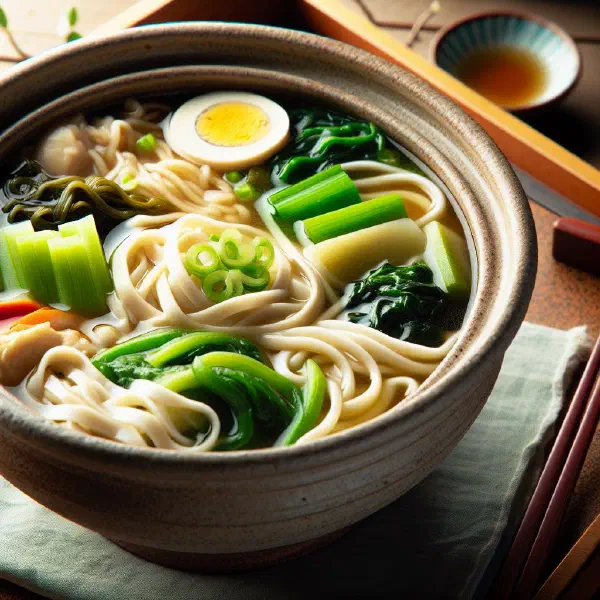
Presentation can lift the Miso Soup experience considerably. Serve the soup in traditional Japanese ceramic bowls to heighten its sense of authenticity. Garnish with fresh herbs or thinly sliced spring onions for a welcome splash of colour. A thoughtful, artful presentation makes the meal more inviting and builds anticipation for the flavours to come.
A bit of history
Miso has a long history in Japan, stretching back many centuries. The combination of miso and broth that we know today as Miso Soup is an essential part of Japanese cuisine. Historically, miso was a valuable source of protein and was especially prized by rural communities. The soup was originally regarded as a healing dish and has since grown into a beloved everyday staple, much like other enduring classics of Japanese cuisine.
More recipe ideas
Summary: Miso Soup
In short, Miso Soup is delicious and remarkably nourishing and adaptable. It is simple to prepare and offers endless scope for creative variation. With fresh ingredients, a wholesome base and its unmistakable flavour, Miso Soup brings you straight into the world of Japanese cooking. Let this healthy, flavourful dish inspire you, and savour the simple joy of making it at home.